Plus, receive recommendations and exclusive offers on all of your favorite books and authors from Simon & Schuster.
0:00 /
LIST PRICE $26.99
PRICE MAY VARY BY RETAILER
Digital products purchased on SimonandSchuster.com must be read on the Simon & Schuster Books app. Learn more.
Get 20% off with code FALL26 plus free shipping on orders of $40 or more. Discount on physical products only. Terms apply.
Buy from Other Retailers
Table of Contents
Listen To An Excerpt
0:00 /
About the Book
The story of the making, loss, and recovery of some of the greatest treasures of antiquity, raising questions about ancient mosaic art and its creation, the work of archaeology, and museum practice.
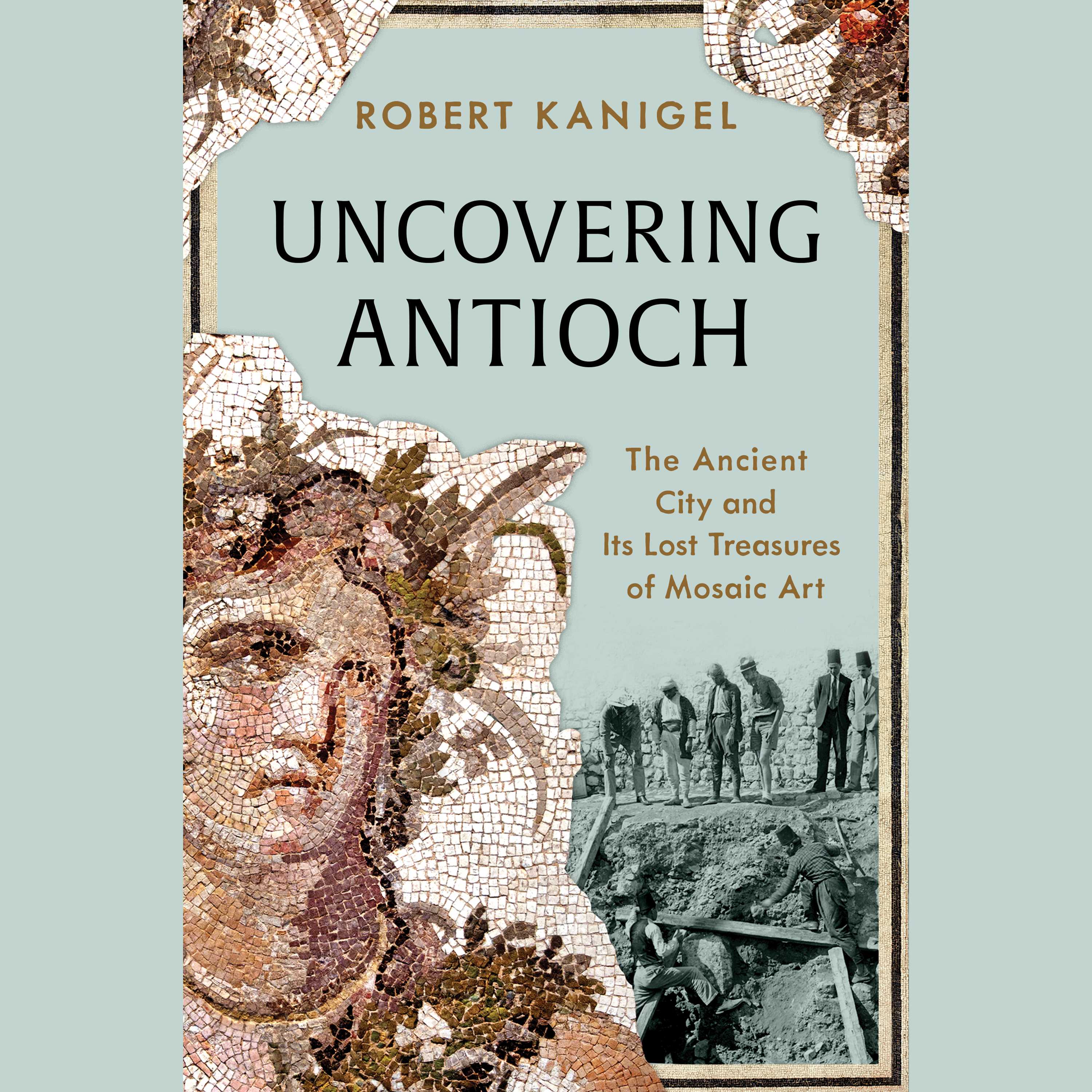
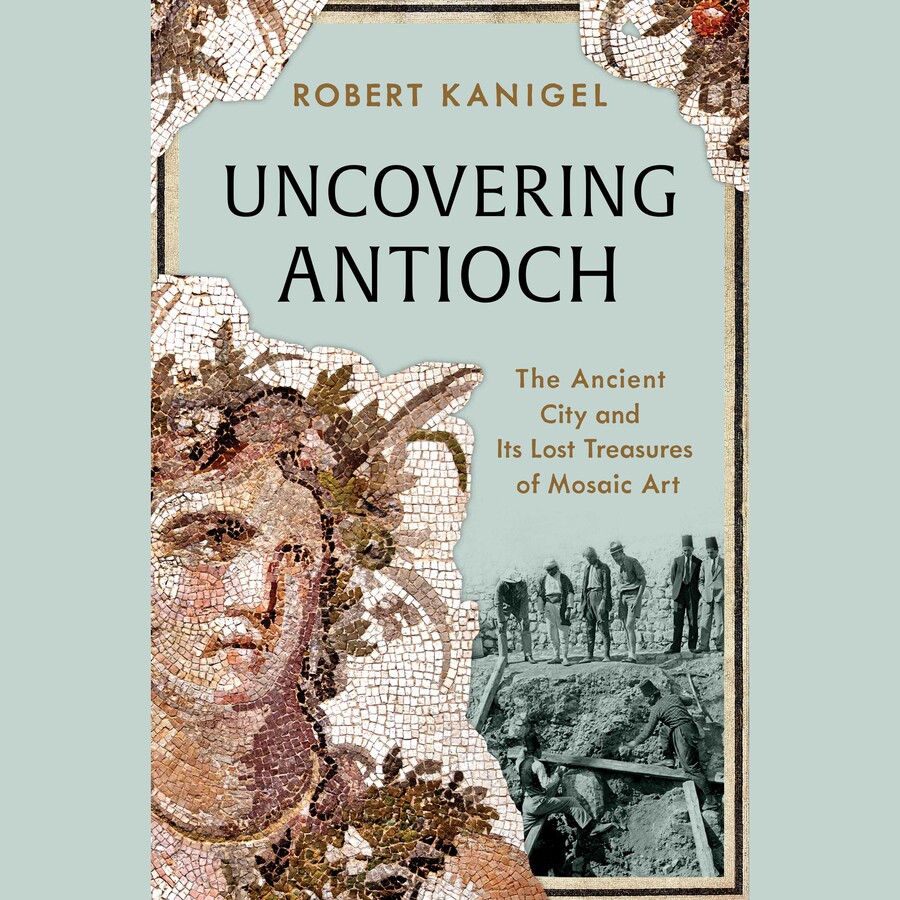
In 1932, after years of fundraising and flurries of letters back and forth, an archaeological team from Princeton University gathered in Antioch, Syria. They expected to find sculptures, frescos, palace walls, and busts. Instead, all across this ancient Roman metropolis, they stumbled upon one site after another of extraordinary mosaic treasure, incomparable in number, quality, and historical significance.
There were some three hundred of them in all, glories of color and design, stones and pieces of glass heaped up into spectacular images. Many of them were vast, room-sized tableaus, commissioned by wealthy Antiochenes for their villas. They depict banquets, drinking contests, olive harvests; lions, leopards, peacocks, and gazelles; legends, scenes from mythology, Cupid and Psyche, Narcissus and Dionysus. Though dated to early in the Christian era, they are unabashedly pagan; the animals and plants they depict are so life-like scholars can often identify them by species. A vast, collectively obsessive outpouring of industry and effort, art and artisanship, they stand for beauty, the drive to make it, and the human need to have it as part of life.
The eight-year dig at Antioch was an astonishing human enterprise, one that survived Depression-era financial downturns, interpersonal conflict, and the looming threat of World War II. Gained were mosaics that ultimately ended up in museums around the world—Harvard University, Boston’s Museum of Fine Arts, The Baltimore Museum of Art, New York’s Metropolitan, Paris’s Louvre, and more than a dozen others. But while an archaeological triumph, shedding new light on the ancient world, it also raised profound questions about the nature and progress of art. Who has a right to a work of art—the country of origin or the archaeologists who dig it up? Is art more interesting for its beauty, its history, or the craft and intelligence that goes into its making? What elevates a craftsperson into an artist? Robert Kanigel tackles these questions and more, breathing life into this landmark adventure of intellect and discovery.
In 1932, after years of fundraising and flurries of letters back and forth, an archaeological team from Princeton University gathered in Antioch, Syria. They expected to find sculptures, frescos, palace walls, and busts. Instead, all across this ancient Roman metropolis, they stumbled upon one site after another of extraordinary mosaic treasure, incomparable in number, quality, and historical significance.
There were some three hundred of them in all, glories of color and design, stones and pieces of glass heaped up into spectacular images. Many of them were vast, room-sized tableaus, commissioned by wealthy Antiochenes for their villas. They depict banquets, drinking contests, olive harvests; lions, leopards, peacocks, and gazelles; legends, scenes from mythology, Cupid and Psyche, Narcissus and Dionysus. Though dated to early in the Christian era, they are unabashedly pagan; the animals and plants they depict are so life-like scholars can often identify them by species. A vast, collectively obsessive outpouring of industry and effort, art and artisanship, they stand for beauty, the drive to make it, and the human need to have it as part of life.
The eight-year dig at Antioch was an astonishing human enterprise, one that survived Depression-era financial downturns, interpersonal conflict, and the looming threat of World War II. Gained were mosaics that ultimately ended up in museums around the world—Harvard University, Boston’s Museum of Fine Arts, The Baltimore Museum of Art, New York’s Metropolitan, Paris’s Louvre, and more than a dozen others. But while an archaeological triumph, shedding new light on the ancient world, it also raised profound questions about the nature and progress of art. Who has a right to a work of art—the country of origin or the archaeologists who dig it up? Is art more interesting for its beauty, its history, or the craft and intelligence that goes into its making? What elevates a craftsperson into an artist? Robert Kanigel tackles these questions and more, breathing life into this landmark adventure of intellect and discovery.
Appearances
SEP 16
7:00PM
Boston Athenaeum
10½ Beacon Street, Boston
Boston, MA 02108
About the Author
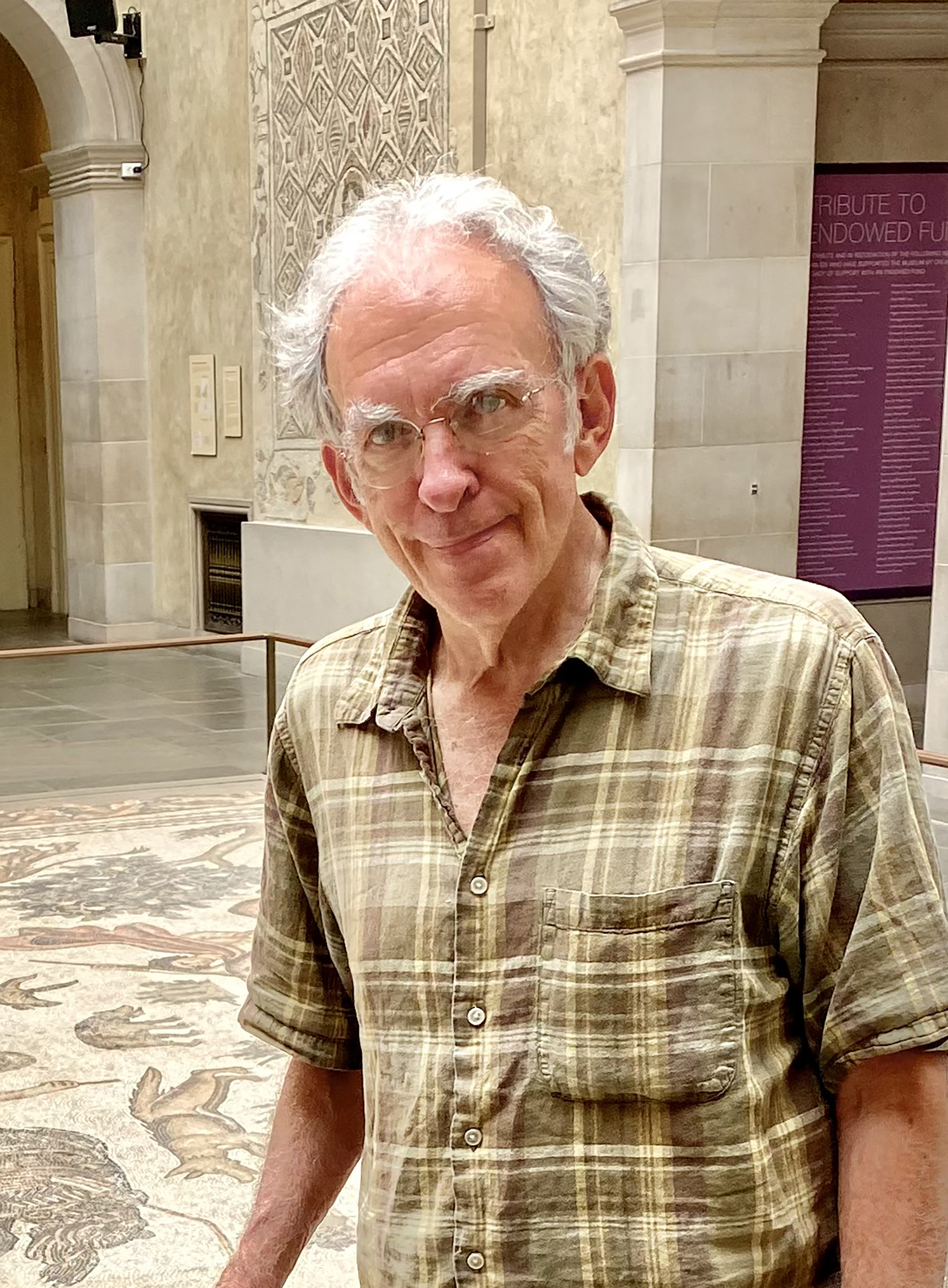
Sarah Merrow
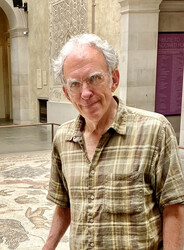
Robert Kanigel is the author of The Man Who Knew Infinity, Eyes on the Street, The One Best Way, Hearing Homer’s Song, and six other nonfiction books—in biography, history, history of science, and memoir. He has been a finalist for the National Book Critics Circle Award and the Los Angeles Times Book Prize, and a recipient of a National Endowment for the Humanities Public Scholar award as well as a Guggenheim fellowship. He spent earlier lives as a mechanical engineer, a professor of science writing at MIT, and a freelance writer of magazine articles, essays, and reviews. An avid cyclist and amateur mosaicist, he lives in Baltimore.
About the Reader
Product Details
- Publisher: Simon & Schuster Audio (August 25, 2026)
- Runtime: 10 hours and 8 minutes
- ISBN13: 9781797198224
Browse Related Books
Resources and Downloads
High Resolution Images
-
Book Cover Image (jpg): Uncovering Antioch
Unabridged Audio Download 9781797198224
-
Author Photo (jpg): Robert Kanigel Sarah Merrow(0.1 MB)
Any use of an author photo must include its respective photo credit