
Plus, receive recommendations and exclusive offers on all of your favorite books and authors from Simon & Schuster.
LIST PRICE $26.99
PRICE MAY VARY BY RETAILER
Digital products purchased on SimonandSchuster.com must be read on the Simon & Schuster Books app. Learn more.
Free shipping when you spend $40. Terms apply.
Buy from Other Retailers
Table of Contents
About the Book
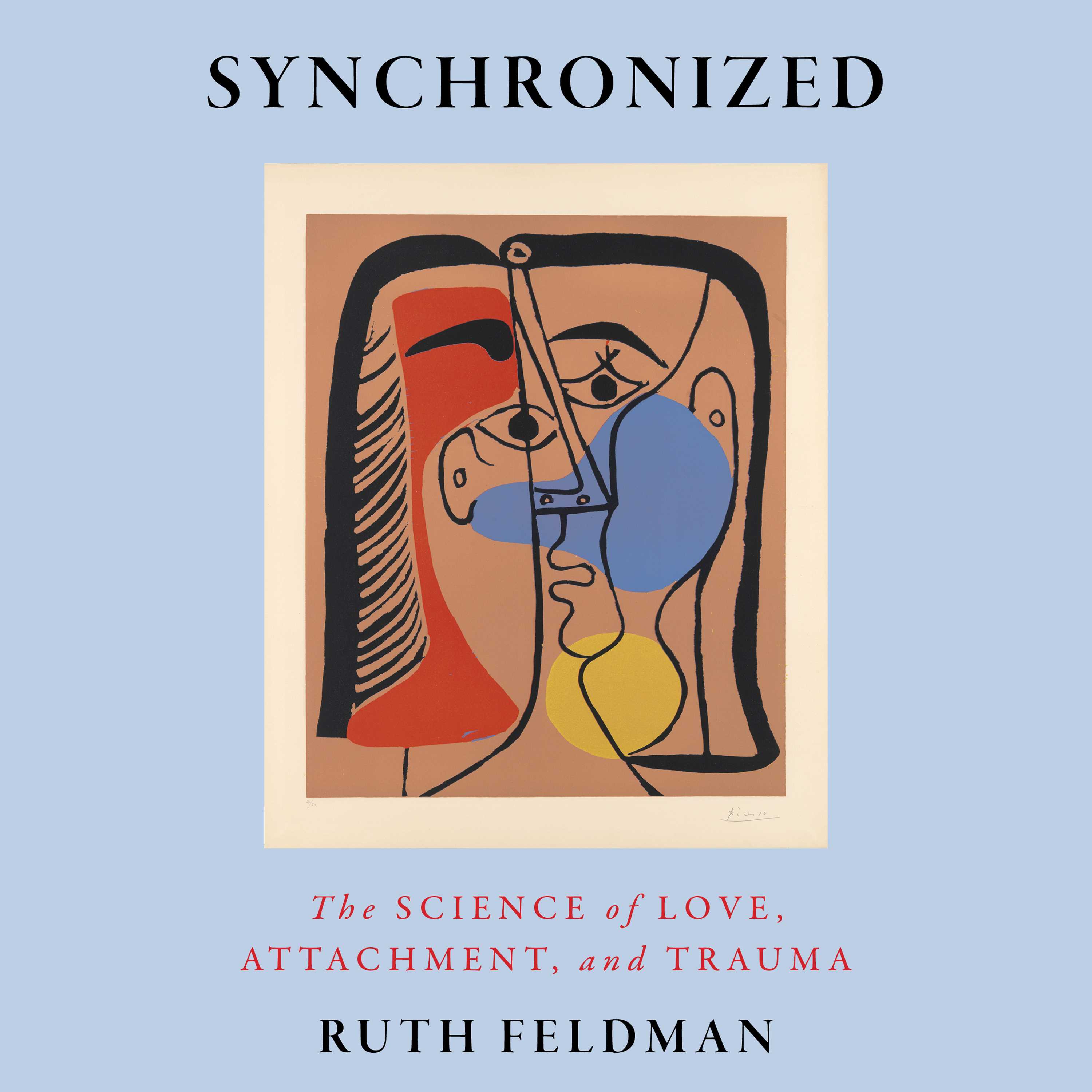
A groundbreaking investigation by a pioneering researcher into the ways our biology drives connection, attachment, and healing—all powered by the amazing physiological processes of bio-behavioral synchrony.
We’ve all read about attachment types, love languages, and the scars trauma leaves in our body. But until now, we’ve had little idea what activates these central parts of our existence. The answers lie in the science of synchrony, a field which Ruth Feldman founded over three decades ago.
Synchrony connects us socially and biologically. When we coordinate our behavior with others, our hearts beat together, oxytocin is simultaneously released in our bodies, and our brain rhythms sync. Synchrony is the biological signature of the magic feeling we call “love.” That biological connection can reduce stress, help us face challenges, and build a sense of lasting resilience.
This groundbreaking book reveals how synchrony binds us together across the relationships we hold dear—with our parents, our children, friends, lovers, therapists, coworkers, and peers. Synchrony can even form bonds of empathy and care between former enemies. It helps us reduce stress, face challenges, find a sense of meaning, and build lasting resilience.
Throughout the book, you’ll find a wide variety of stories demonstrating how to practice synchrony in ways that enrich and repair your relationships, whether with your romantic partner, with your children as they grow older, or with an old friend. Dr. Ruth Feldman has developed proven interventions to build synchrony when it has been lost; among couples in deep conflict, between depressed mothers and their infants, among adversaries, and in communities fractured from trauma. When people learn to synchronize, new pathways to healing open.
About the Author
© Reichman University
Dr. Ruth Feldman holds the Simms-Mann Chaired Professorship in Social Neuroscience at Reichman University, Israel, where she directs the Center for Developmental, Social, and Relationship Neuroscience, overseeing a lab that uses the entire range of neuroscientific tools to examine the biological basis of close relationships. She serves as an adjunct professor at Yale University Medical School, Child Study Center and an honorary professor at University College London. She lives in Jerusalem and New York.
Product Details
- Publisher: Simon & Schuster Audio (February 2, 2027)
- Runtime: 9 hours and 30 minutes
- ISBN13: 9781668121078
Browse Related Books
Resources and Downloads
High Resolution Images
-
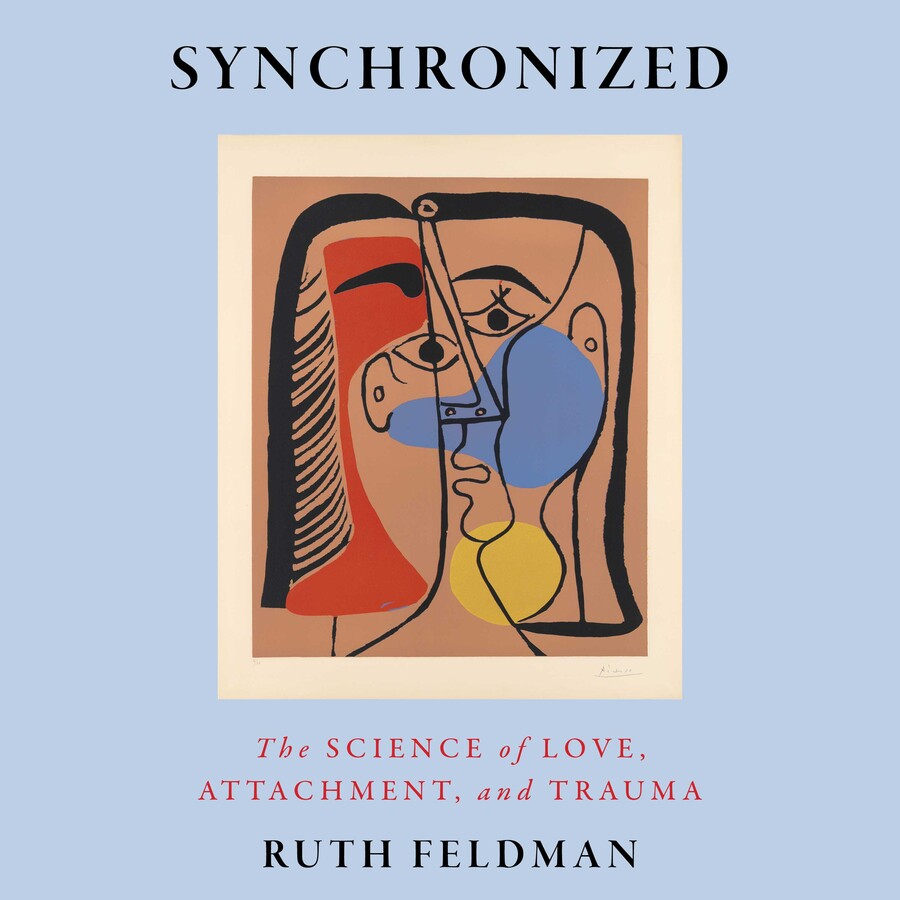
Book Cover Image (jpg): Synchronized
Unabridged Audio Download 9781668121078
-
Author Photo (jpg): Ruth Feldman © Reichman University(0.1 MB)
Any use of an author photo must include its respective photo credit