Plus, receive recommendations and exclusive offers on all of your favorite books and authors from Simon & Schuster.
Published by Healing Arts Press
Distributed by Simon & Schuster
LIST PRICE $19.99
PRICE MAY VARY BY RETAILER
Get 20% off with code SPOOKY plus free shipping on orders of $40 or more. Discount on physical products only. Terms apply.
Buy from Other Retailers
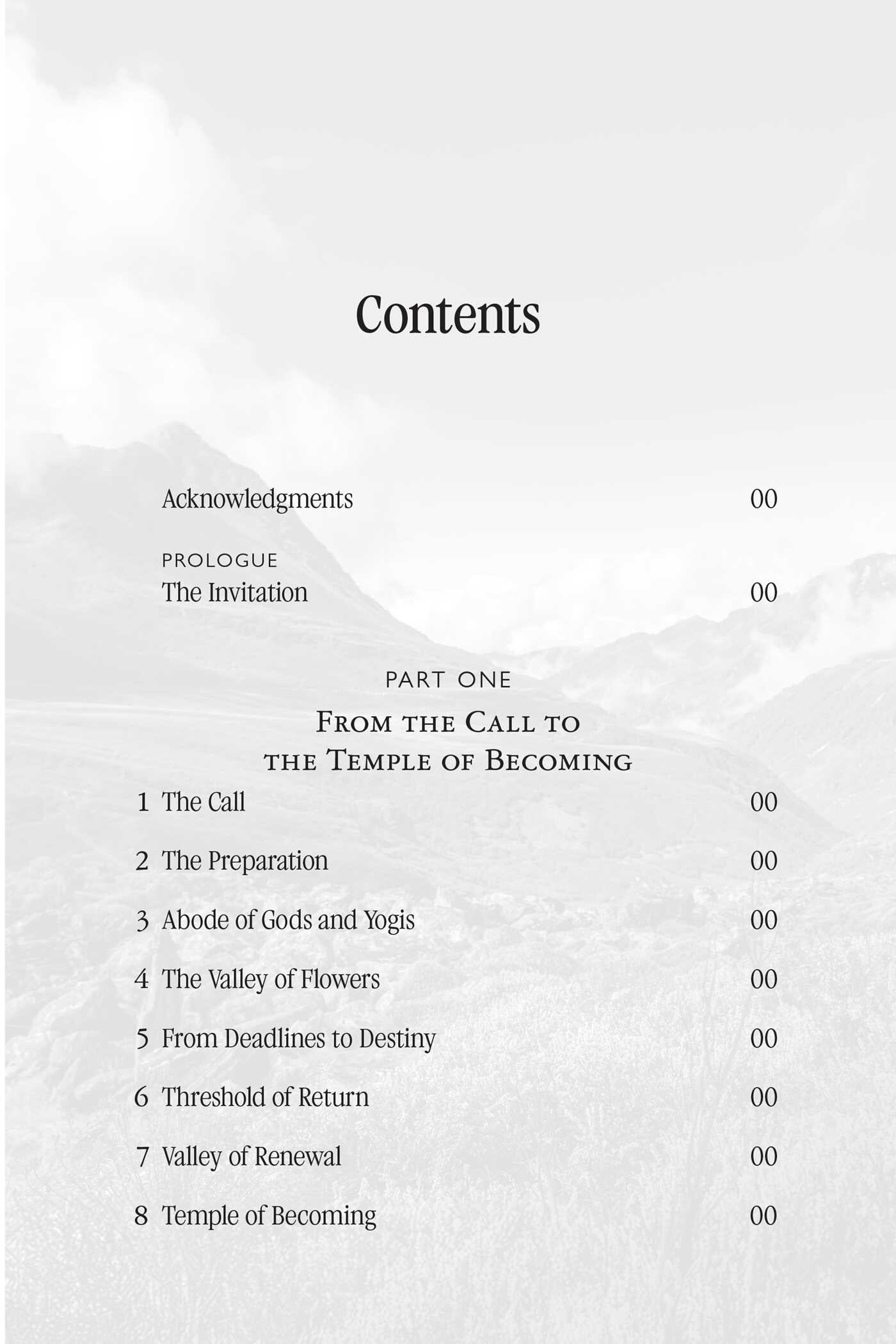
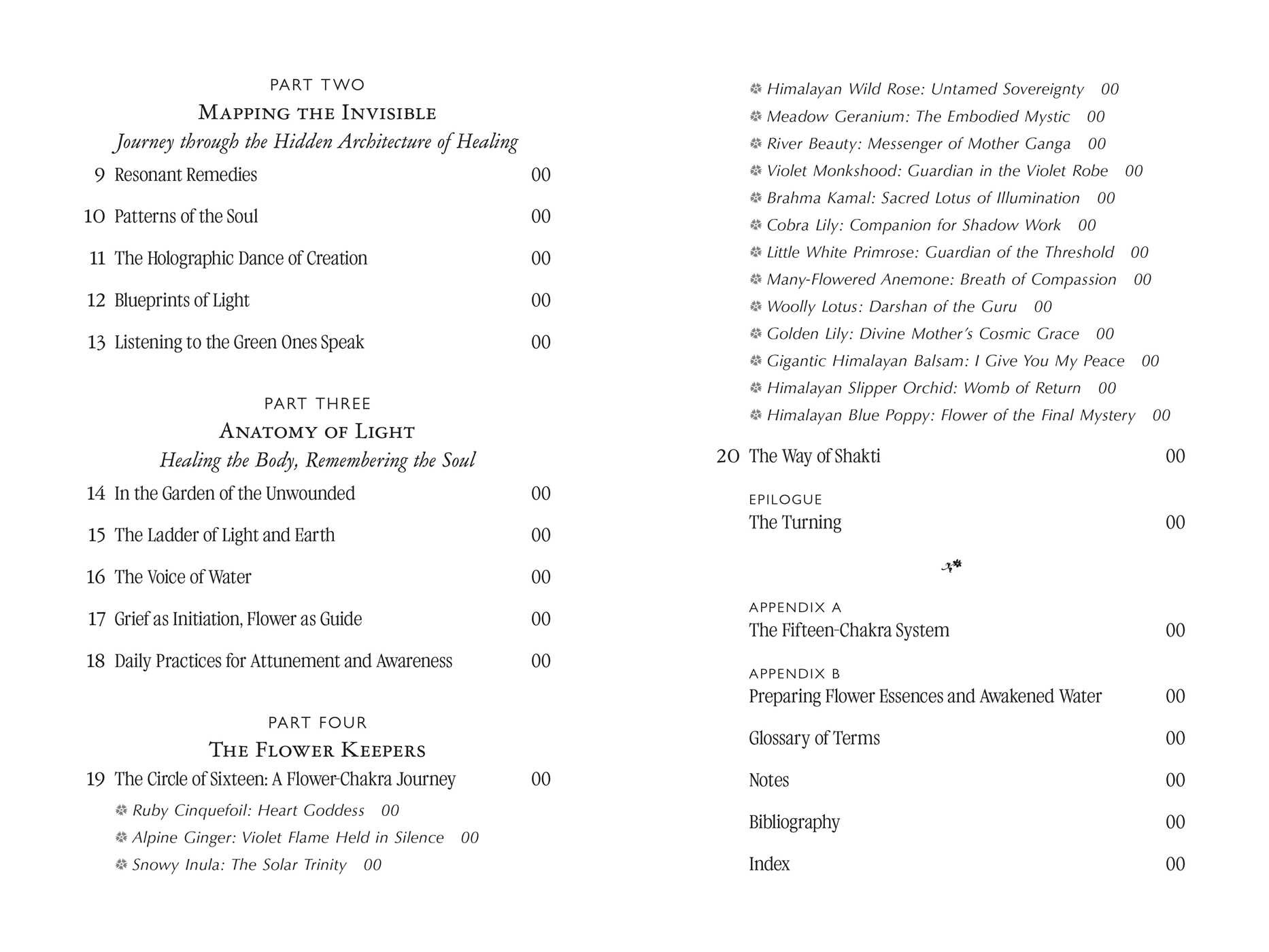
Table of Contents
About the Book
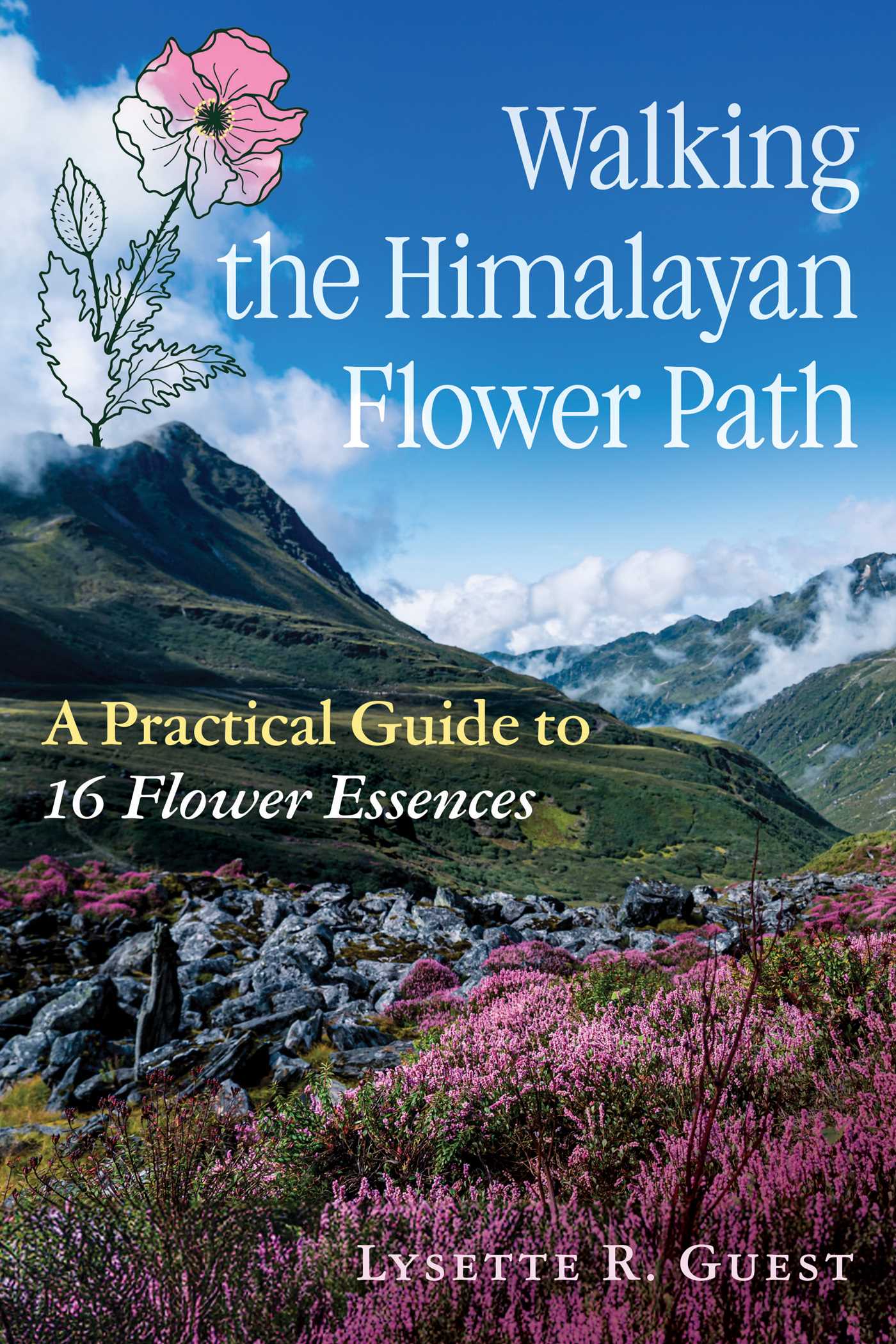
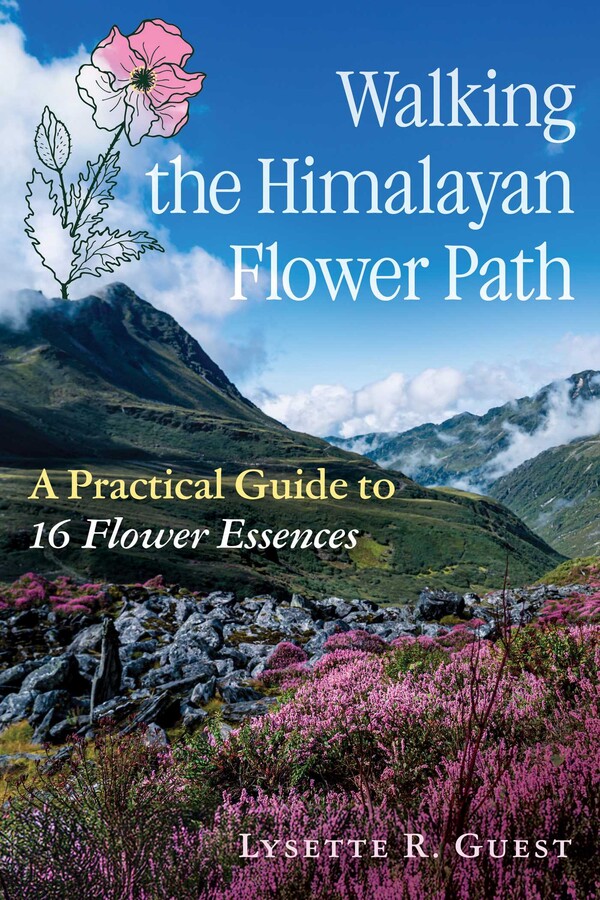
An invitation to connect with the healing wisdom of the Valley of Flowers
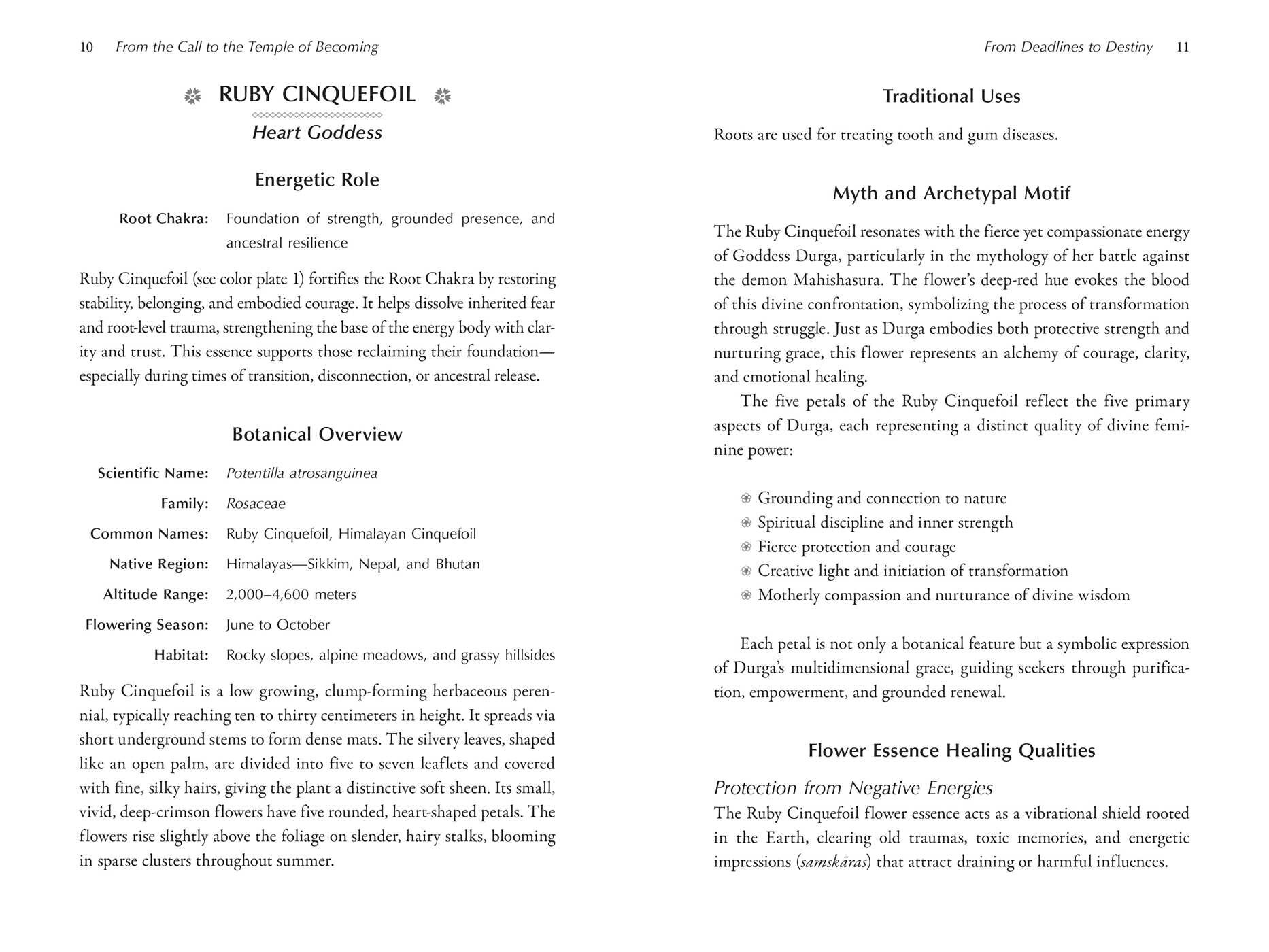
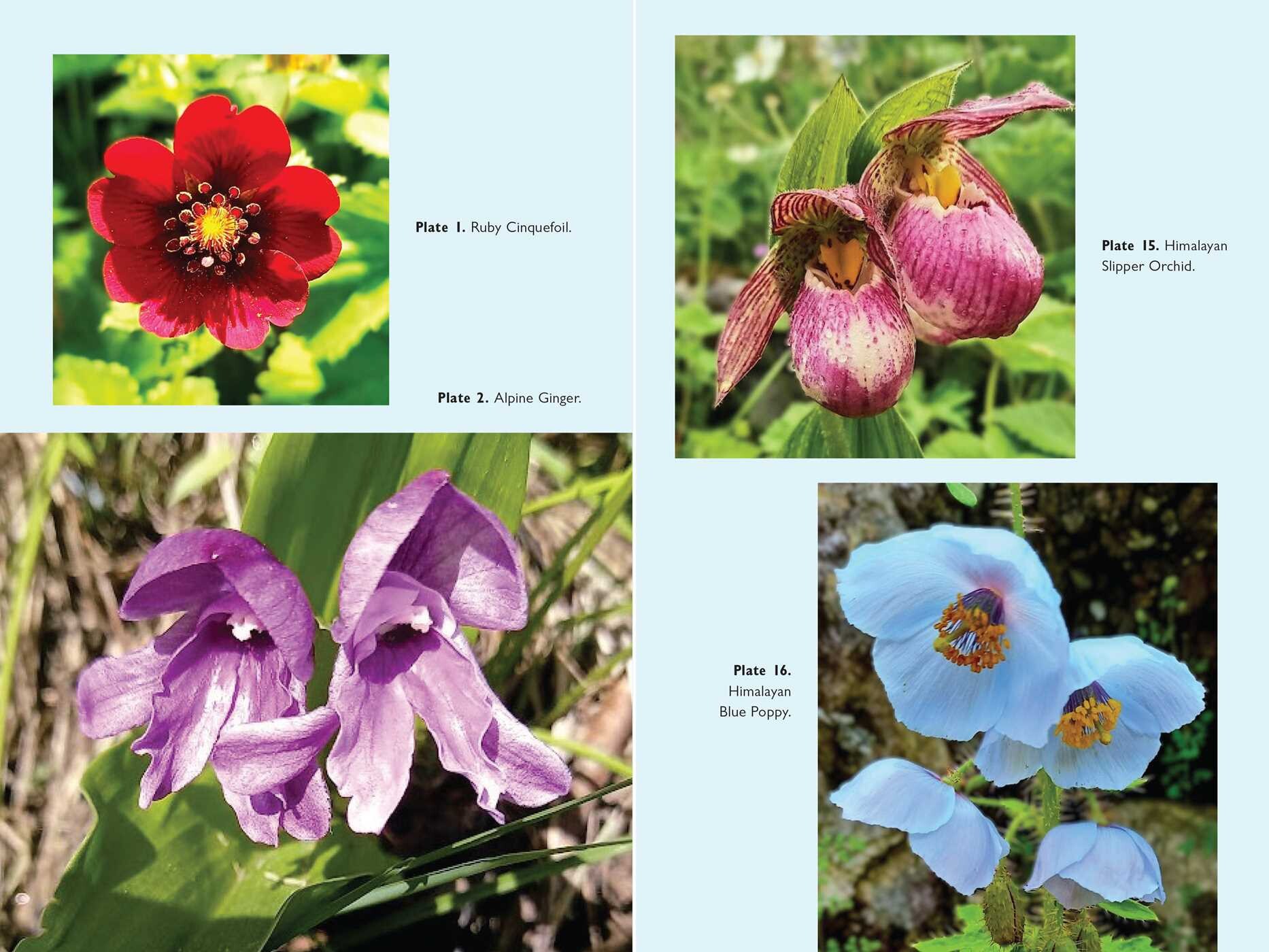
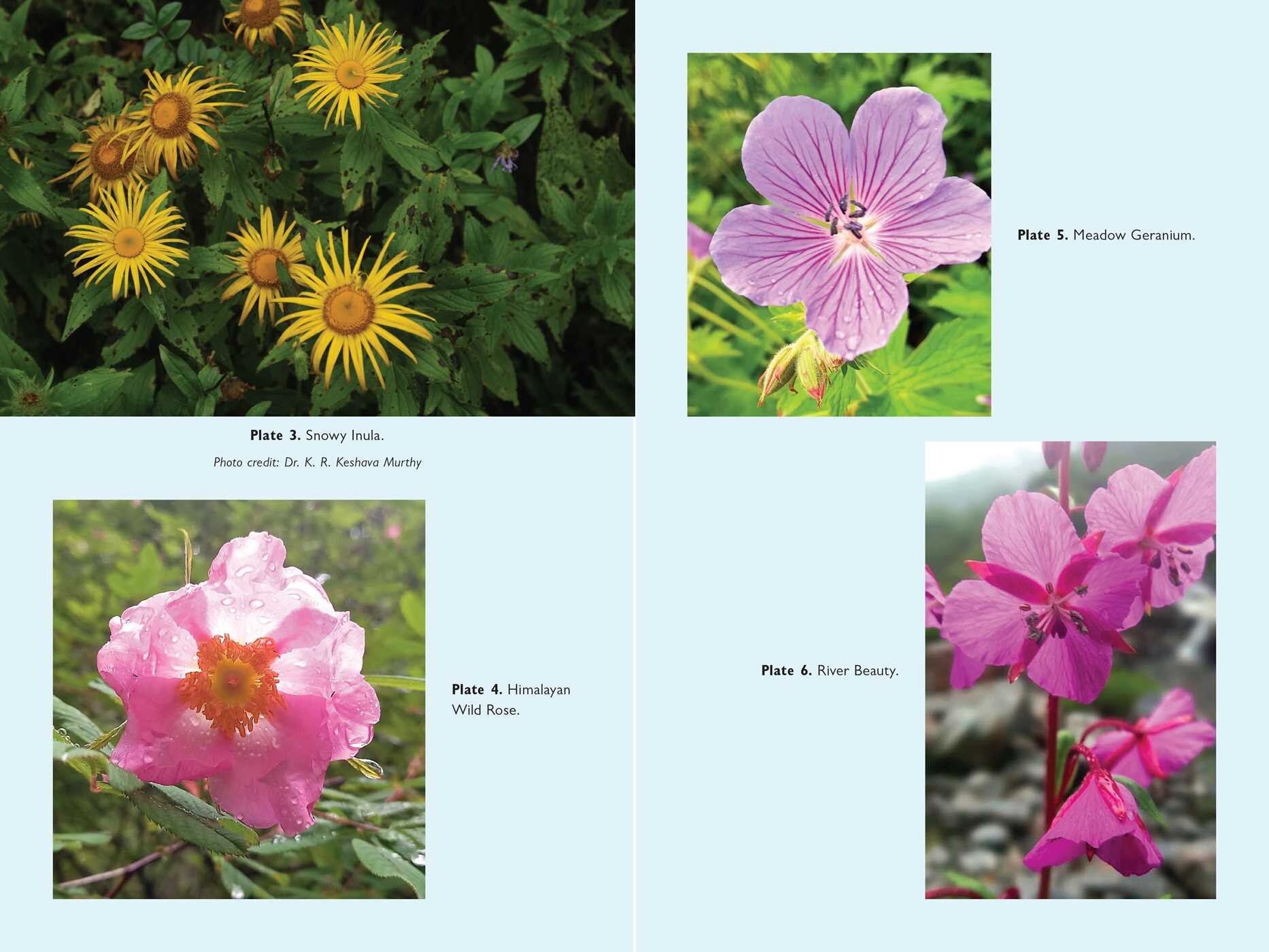
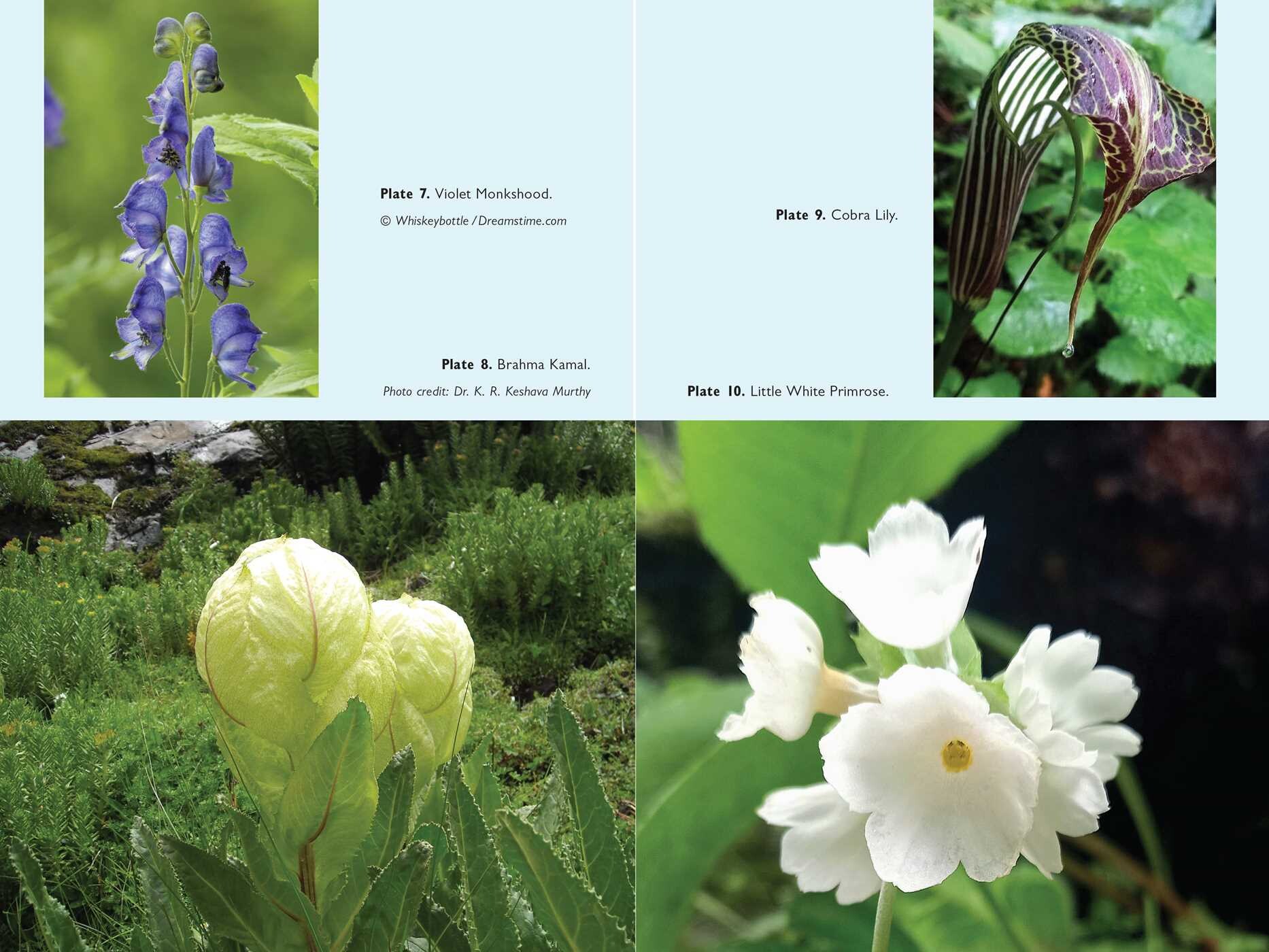
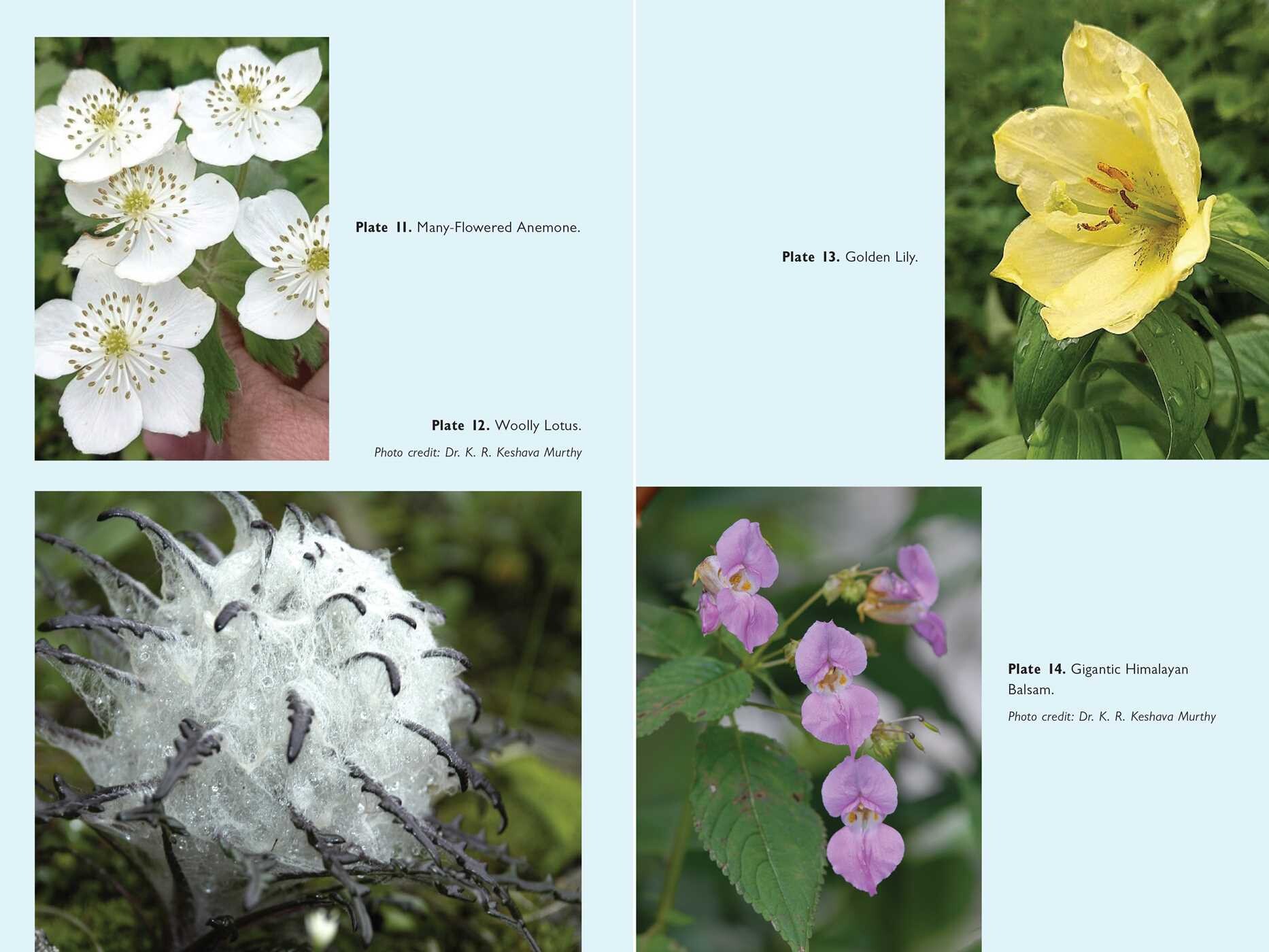
• Explores 16 rare flowers from the remote Himalayan Valley of Flowers, detailing each flower’s traditional uses, healing qualities, myths, and corresponding chakras
• Provides in-depth meditations to help you sense each flower’s stories, feel its vibrational field, and receive its healing codes
• Explains the principles of flower essence healing and the 15-chakra energy system
Flowers are archetypal agents of healing that allow us to interact with nature’s living intelligence. As a vibrational and flower essence practitioner, Lysette Guest reveals that one need not even be in their presence to receive their healing influence.
Presenting a practical guide to energy medicine and flower essence therapy, Guest explores the healing, balancing, and awakening energies of 16 rare flowers from the remote Himalayan Valley of Flowers. She shares vivid descriptions from her revelatory pilgrimages to the Valley of Flowers, where she experienced emotional transformation firsthand through relationship with these plants.
Guest profiles their traditional uses, healing qualities, myths, and archetypal motifs as well as each flower’s corresponding chakra and musical notes. She provides in-depth meditations to help you sense each flower’s stories, feel its vibrational field, and receive its healing codes along with exercises to help you attune to the flowers. She also details the expanded 15-chakra energy system and shares both traditional and “no-pick” flower essence preparation techniques.
Walking the Himalayan Flower Path shares the unique healing wisdom of the Valley of Flowers and the rare essences that have been the source of wholeness, health, and self-discovery for millennia.
• Explores 16 rare flowers from the remote Himalayan Valley of Flowers, detailing each flower’s traditional uses, healing qualities, myths, and corresponding chakras
• Provides in-depth meditations to help you sense each flower’s stories, feel its vibrational field, and receive its healing codes
• Explains the principles of flower essence healing and the 15-chakra energy system
Flowers are archetypal agents of healing that allow us to interact with nature’s living intelligence. As a vibrational and flower essence practitioner, Lysette Guest reveals that one need not even be in their presence to receive their healing influence.
Presenting a practical guide to energy medicine and flower essence therapy, Guest explores the healing, balancing, and awakening energies of 16 rare flowers from the remote Himalayan Valley of Flowers. She shares vivid descriptions from her revelatory pilgrimages to the Valley of Flowers, where she experienced emotional transformation firsthand through relationship with these plants.
Guest profiles their traditional uses, healing qualities, myths, and archetypal motifs as well as each flower’s corresponding chakra and musical notes. She provides in-depth meditations to help you sense each flower’s stories, feel its vibrational field, and receive its healing codes along with exercises to help you attune to the flowers. She also details the expanded 15-chakra energy system and shares both traditional and “no-pick” flower essence preparation techniques.
Walking the Himalayan Flower Path shares the unique healing wisdom of the Valley of Flowers and the rare essences that have been the source of wholeness, health, and self-discovery for millennia.
Excerpt
1
The Call
The wildflowers called her away today—not for duty but for joy. She said yes.
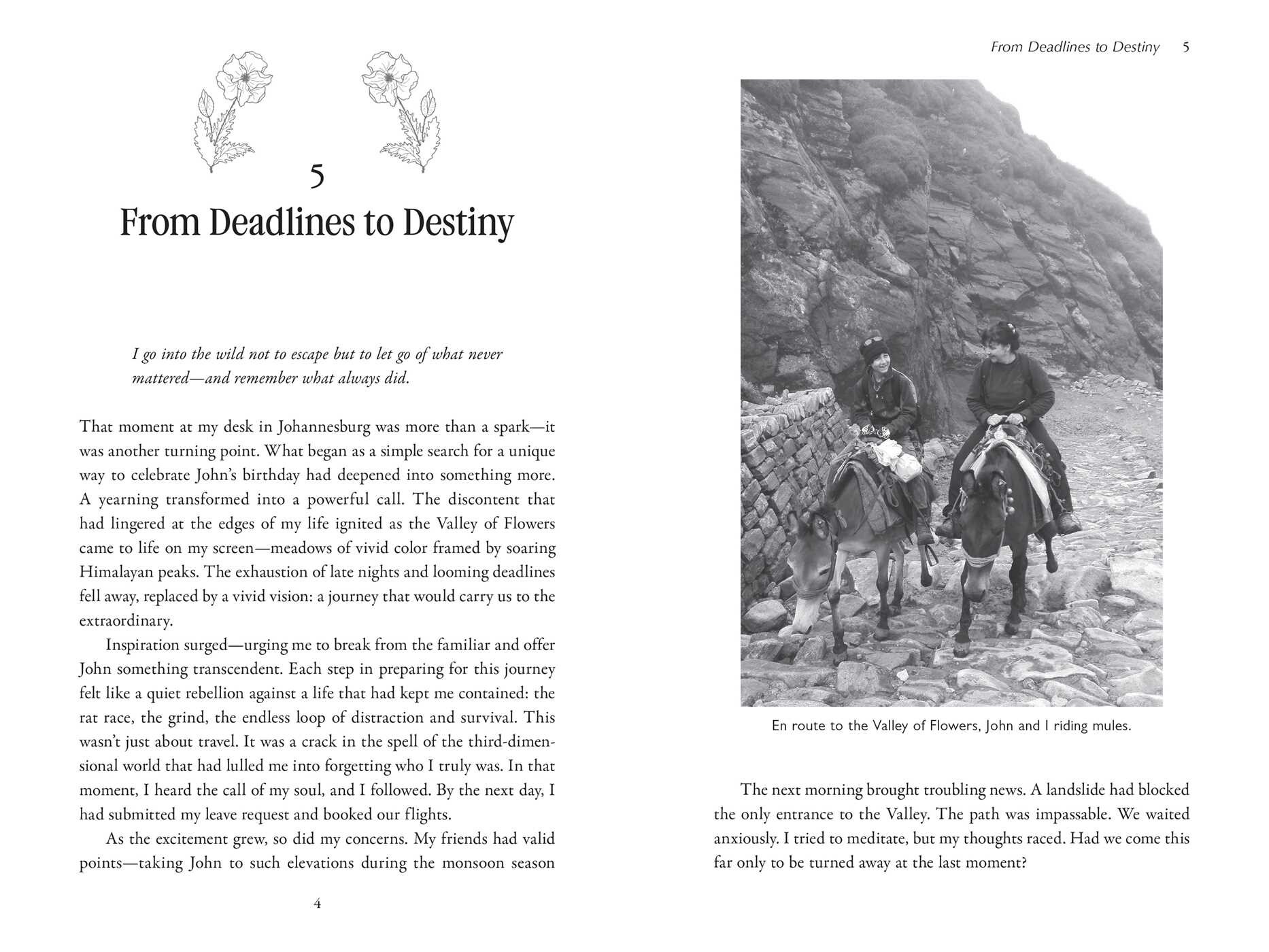
It was the strangest thing—almost miraculous—to feel called by a valley of wildflowers. The moment struck as I sat at my desk in a large engineering firm in Johannesburg, struggling to finish the deadline for a proposal. I needed a break. Grabbing a coffee, I turned to Google, searching for a way to celebrate my son John’s thirteenth birthday. I wanted to do something special, something unforgettable. As a single mom, there’s always that urge to make up for lost time, to impress, to compensate. And then I saw it—splashed across my screen—an unbelievably beautiful valley, meadows bursting with wildflowers in pink, red, and blue, set against towering, snow-capped peaks. It looked wild, alluring, and impossible to resist. In that instant, the call came and I was captivated.
It is known as the Valley of Flowers—a secluded alpine valley nestled at 3,660 meters (approximately 12,000 feet) above sea level, hidden among the rugged peaks of the Indian Himalayas. It took some effort to convince a teenager that trekking to such a high-altitude wilderness was a grand adventure. However, the promise of a stopover on the idyllic island of Seychelles en route to India—and the chance to ride mules for most of the journey, rather than trekking on foot—sealed the deal with John.
My friends, in contrast, were far less easily persuaded. Their warnings covered everything—from giant spiders and poisonous snakes to the “irresponsibility” of taking someone so young to such a remote place. Altitude sickness, monsoon rains, landslides, and freezing temperatures were only the beginning of their concerns.
I understood their fears, but I wasn’t reckless. I was determined to step into the unknown and embrace an adventure with John that he would always remember and, I hoped, cherish. After all, you can’t have an adventure if you never leave your front garden.
But the seeds of this journey were planted long before I ever set foot in the Valley.
In 2002, a year before John was born, I read Autobiography of a Yogi by Paramahansa Yogananda. That book reframed my previously dogmatic Christian worldview and initiated a turning inward. Its central message stayed with me: don’t just believe—test the teachings and experience them for yourself.
By then, the long sequence of losses—my two brothers, my parents—had already been preparing me for change. But it was the death of my sister, Ronell, that struck the deepest. She had been the last member of my family, and an emotional refuge and soul friend—losing her felt like the collapse of my last shelter.
The earlier losses had already fractured the framework of beliefs and assumptions I had lived by. Ronell’s passing made it crumble entirely. Together, they created a radical reorientation—one whose consequences rippled through every part of my life. I began to question what I had once accepted without examination: truths, relationships, values, and the very purpose of life. It dissolved my marriage, tumbled me into a custody battle for my three boys, and returned me to the demands of working life as a single mother. I could no longer live by inherited beliefs. Rather than seeking answers from external authorities, I began to listen to something subtle and more trustworthy—my own inner compass.
This compass guided me through many Eastern and Western traditions, but ultimately led me back to the wisdom teachings of yoga, first introduced to me by Paramahansa Yogananda. These teachings gave structure to both my outer and inner reorientation—a path of direct experience, personal responsibility, and inner discernment. It trained my awareness to listen inwardly, steady the mind, and meet experience as it was—learning to recognize what felt true for me through direct perception.
Over time, this cultivated presence opened me to another teacher: the Earth herself. In wind and water, in the stillness of stones and trees, I felt something real—not as an idea but as resonance. Sitting by a river or leaning against a tree, images would sometimes arise—ancient and immediate, as though the land herself were speaking. They bypassed words, carried instead in sensation, vision, and presence—a light language speaking to the whole being.
By the time the Valley called to me, I had already been tempered by loss and steadied by yoga. Inner and outer teachers had prepared the ground.
The Valley was not a backdrop to my healing—it was at the heart of it. There, I remembered what no teaching alone could give—truths the Earth speaks without words. The flowers became doorways, opening into her wisdom and into the deeper layers of myself. The path to the Valley of Flowers was—both literally and symbolically—my path to wholeness.
Crossing into the sacred is never casual. The heart leaps and the mind must rise to meet it. Only then can the unseen gate be found.
The call, when it comes, often seems to appear out of the blue—yet, in truth, it rarely does.
It was only years after my first visit to the Valley of Flowers that I came to understand: I had crossed a threshold—one that had been steadily preparing me throughout my life. My journey hadn’t begun in the Valley but in the landscapes of my youth. The land itself had been my teacher.
Not every place touches us in the same way. Some landscapes awaken our innermost nature. In the Indian tradition, such places are known as tīrthas—sacred thresholds where the seen and unseen converge. They may be marked by temples or be utterly wild, but they are always liminal points for inner crossing. Looking back, I see now that my entire life had been guiding me toward such a threshold.
When my parents divorced, around my sixth birthday, I moved with my mother to Benoni, an industrial town on South Africa's East Rand, just east of Johannesburg. The surroundings were unremarkable: mine dumps, slag heaps, and dams. And yet, walking along the reeds growing at the water's edge, I began to listen—to wind, water, silence. I was already tuning in to nature's language, even amid concrete and dust.
At the beginning of high school, my sister, Ronell, and her husband invited me to leave Benoni and live with them on their farm near Delmas, a small farming town about an hour's drive northeast, in Mpumalanga province. The contrast was striking. Where Benoni mirrored the confusion and disorientation of that time in my life, Delmas offered nourishment. The red earth, the rhythm of rural life, the companionship of family, horses, and open sky—steadied me. There, I began to feel rooted again.
That farm became a sanctuary. I would ride my horse, Lightning, through fields and wetlands scented with wild grasses. It was a place where wonder returned. My connection to the land deepened, and with it, a sense that nature was not just scenery but presence—alive, intelligent, and communicative.
During those years, three relationships shaped my world. My sister, Ronell, whose quiet, loving nature became a refuge. Frans, her husband, who took on the role of a father figure—it was he who gifted me Lightning, offering not just a horse but a silent path to healing and freedom. And Chrisna, a high school friend who entered my life then and never left—a kindred spirit whose presence has remained a steady source of deep companionship through every season since. Their presence wasn’t incidental. It gave me the grounding to listen more deeply to both the land and myself.
By the time I finished high school, I knew I wanted to help people, but the sterile environment of clinical nursing I had briefly entered into felt disconnected from my soul. I shifted to landscape architecture, a field that spoke to my growing intuition that land itself could be medicine. Through its lens, I began to see the landscape not merely as terrain to be shaped but as a living presence to be listened to. I was introduced to the idea of genius loci—the spirit of place—which gave language to what I had long sensed: that the Earth is not inert but responsive, storied, and alive.
Designing with the land meant listening: to contours, textures, patterns of light and shadow. Plants, stones, and flowing water became more than design elements—they were partners in dialogue. Gardens, I discovered, could be portals to healing. They could hold memory, transform grief, and mirror inner states. My practice became an expression of this communion.
The Call
The wildflowers called her away today—not for duty but for joy. She said yes.
It was the strangest thing—almost miraculous—to feel called by a valley of wildflowers. The moment struck as I sat at my desk in a large engineering firm in Johannesburg, struggling to finish the deadline for a proposal. I needed a break. Grabbing a coffee, I turned to Google, searching for a way to celebrate my son John’s thirteenth birthday. I wanted to do something special, something unforgettable. As a single mom, there’s always that urge to make up for lost time, to impress, to compensate. And then I saw it—splashed across my screen—an unbelievably beautiful valley, meadows bursting with wildflowers in pink, red, and blue, set against towering, snow-capped peaks. It looked wild, alluring, and impossible to resist. In that instant, the call came and I was captivated.
It is known as the Valley of Flowers—a secluded alpine valley nestled at 3,660 meters (approximately 12,000 feet) above sea level, hidden among the rugged peaks of the Indian Himalayas. It took some effort to convince a teenager that trekking to such a high-altitude wilderness was a grand adventure. However, the promise of a stopover on the idyllic island of Seychelles en route to India—and the chance to ride mules for most of the journey, rather than trekking on foot—sealed the deal with John.
My friends, in contrast, were far less easily persuaded. Their warnings covered everything—from giant spiders and poisonous snakes to the “irresponsibility” of taking someone so young to such a remote place. Altitude sickness, monsoon rains, landslides, and freezing temperatures were only the beginning of their concerns.
I understood their fears, but I wasn’t reckless. I was determined to step into the unknown and embrace an adventure with John that he would always remember and, I hoped, cherish. After all, you can’t have an adventure if you never leave your front garden.
But the seeds of this journey were planted long before I ever set foot in the Valley.
In 2002, a year before John was born, I read Autobiography of a Yogi by Paramahansa Yogananda. That book reframed my previously dogmatic Christian worldview and initiated a turning inward. Its central message stayed with me: don’t just believe—test the teachings and experience them for yourself.
By then, the long sequence of losses—my two brothers, my parents—had already been preparing me for change. But it was the death of my sister, Ronell, that struck the deepest. She had been the last member of my family, and an emotional refuge and soul friend—losing her felt like the collapse of my last shelter.
The earlier losses had already fractured the framework of beliefs and assumptions I had lived by. Ronell’s passing made it crumble entirely. Together, they created a radical reorientation—one whose consequences rippled through every part of my life. I began to question what I had once accepted without examination: truths, relationships, values, and the very purpose of life. It dissolved my marriage, tumbled me into a custody battle for my three boys, and returned me to the demands of working life as a single mother. I could no longer live by inherited beliefs. Rather than seeking answers from external authorities, I began to listen to something subtle and more trustworthy—my own inner compass.
This compass guided me through many Eastern and Western traditions, but ultimately led me back to the wisdom teachings of yoga, first introduced to me by Paramahansa Yogananda. These teachings gave structure to both my outer and inner reorientation—a path of direct experience, personal responsibility, and inner discernment. It trained my awareness to listen inwardly, steady the mind, and meet experience as it was—learning to recognize what felt true for me through direct perception.
Over time, this cultivated presence opened me to another teacher: the Earth herself. In wind and water, in the stillness of stones and trees, I felt something real—not as an idea but as resonance. Sitting by a river or leaning against a tree, images would sometimes arise—ancient and immediate, as though the land herself were speaking. They bypassed words, carried instead in sensation, vision, and presence—a light language speaking to the whole being.
By the time the Valley called to me, I had already been tempered by loss and steadied by yoga. Inner and outer teachers had prepared the ground.
The Valley was not a backdrop to my healing—it was at the heart of it. There, I remembered what no teaching alone could give—truths the Earth speaks without words. The flowers became doorways, opening into her wisdom and into the deeper layers of myself. The path to the Valley of Flowers was—both literally and symbolically—my path to wholeness.
Crossing into the sacred is never casual. The heart leaps and the mind must rise to meet it. Only then can the unseen gate be found.
The call, when it comes, often seems to appear out of the blue—yet, in truth, it rarely does.
It was only years after my first visit to the Valley of Flowers that I came to understand: I had crossed a threshold—one that had been steadily preparing me throughout my life. My journey hadn’t begun in the Valley but in the landscapes of my youth. The land itself had been my teacher.
Not every place touches us in the same way. Some landscapes awaken our innermost nature. In the Indian tradition, such places are known as tīrthas—sacred thresholds where the seen and unseen converge. They may be marked by temples or be utterly wild, but they are always liminal points for inner crossing. Looking back, I see now that my entire life had been guiding me toward such a threshold.
When my parents divorced, around my sixth birthday, I moved with my mother to Benoni, an industrial town on South Africa's East Rand, just east of Johannesburg. The surroundings were unremarkable: mine dumps, slag heaps, and dams. And yet, walking along the reeds growing at the water's edge, I began to listen—to wind, water, silence. I was already tuning in to nature's language, even amid concrete and dust.
At the beginning of high school, my sister, Ronell, and her husband invited me to leave Benoni and live with them on their farm near Delmas, a small farming town about an hour's drive northeast, in Mpumalanga province. The contrast was striking. Where Benoni mirrored the confusion and disorientation of that time in my life, Delmas offered nourishment. The red earth, the rhythm of rural life, the companionship of family, horses, and open sky—steadied me. There, I began to feel rooted again.
That farm became a sanctuary. I would ride my horse, Lightning, through fields and wetlands scented with wild grasses. It was a place where wonder returned. My connection to the land deepened, and with it, a sense that nature was not just scenery but presence—alive, intelligent, and communicative.
During those years, three relationships shaped my world. My sister, Ronell, whose quiet, loving nature became a refuge. Frans, her husband, who took on the role of a father figure—it was he who gifted me Lightning, offering not just a horse but a silent path to healing and freedom. And Chrisna, a high school friend who entered my life then and never left—a kindred spirit whose presence has remained a steady source of deep companionship through every season since. Their presence wasn’t incidental. It gave me the grounding to listen more deeply to both the land and myself.
By the time I finished high school, I knew I wanted to help people, but the sterile environment of clinical nursing I had briefly entered into felt disconnected from my soul. I shifted to landscape architecture, a field that spoke to my growing intuition that land itself could be medicine. Through its lens, I began to see the landscape not merely as terrain to be shaped but as a living presence to be listened to. I was introduced to the idea of genius loci—the spirit of place—which gave language to what I had long sensed: that the Earth is not inert but responsive, storied, and alive.
Designing with the land meant listening: to contours, textures, patterns of light and shadow. Plants, stones, and flowing water became more than design elements—they were partners in dialogue. Gardens, I discovered, could be portals to healing. They could hold memory, transform grief, and mirror inner states. My practice became an expression of this communion.
Product Details
- Publisher: Healing Arts Press (January 5, 2027)
- Length: 264 pages
- ISBN13: 9798888504703
Browse Related Books
Raves and Reviews
“Walking the Himalayan Flower Path is a beautiful invitation into the living intelligence of nature and the profound truth of our interconnectedness. Lysette Guest was called to a deeply personal path of healing, awakening, and communion with Himalayan flowers. Her courageous journey took her on an amazing pilgrimage to a magical valley ‘where flowers bloom with purpose.’ Rich with wisdom, wonder, and practical insight, this book reminds us that nature is not separate from us, but a sacred partner in our journey toward our truest essential nature.”
– Pam Montgomery, author of Co-Creating with Nature and Plant Spirit Healing
“Lysette Guest’s words immediately transported me along with her on an adventure to enchanting Himalayan landscapes and plant-rich meadows. Her vivid plant profiles are multilayered, going beyond information to reflect deeply felt and respectful relation-ships. This book is both a practical guide and an unhurried indul-gence into the sensory world of vibrational plant medicine. A joy to read.”
– Rachel Corby, author of The Medicine Garden and Rewilding & the Art of Plant Whispering
Resources and Downloads
High Resolution Images
-
Book Cover Image (jpg): Walking the Himalayan Flower Path
Trade Paperback 9798888504703