
Plus, receive recommendations and exclusive offers on all of your favorite books and authors from Simon & Schuster.
0:00 /
LIST PRICE $26.99
PRICE MAY VARY BY RETAILER
Digital products purchased on SimonandSchuster.com must be read on the Simon & Schuster Books app. Learn more.
Get 20% off with code SPOOKY plus free shipping on orders of $40 or more. Discount on physical products only. Terms apply.
Buy from Other Retailers
Table of Contents
Listen To An Excerpt
0:00 /
About the Book
AN INTERNATIONAL BESTSELLER
A BLOOMBERG BEST BOOK OF THE YEAR
A celebrated bartender at the Ritz Hotel during the Nazi occupation of Paris harbors a dangerous secret in this “magnificent” (ELLE), “brilliant” (Le Parisien) international bestseller based on a true story.
"The Barman of the Ritz brilliantly captures the tense, morally murky atmosphere of Nazi-occupied France. Richly researched and utterly absorbing, this World War II novel pulls readers inside Paris’s legendary Ritz Hotel—where every cocktail, every conversation, and every choice could change a life forever.” —Anne Berest, author of The Postcard
Paris, 1940. The Nazis have descended on Paris and the Occupation has begun. Businesses across the city have shuttered, but the legendary Ritz Hotel remains open, its dazzling lights still burning bright on the Place Vendôme. When it becomes the favorite watering hole of the occupying forces, its barman, Frank Meier, is forced to adapt to a new clientele. But Frank has a secret: he is Jewish.
Tensions rise as the war progresses, but Frank refuses to leave his post behind the bar. Unbeknownst to the Nazi officers he serves night after night, Frank forms precarious alliances with unlikely accomplices in order to save other Jewish families in the city and keep his loved ones alive.
Inspired by real events, with the highest of stakes and a brilliant protagonist, The Barman of the Ritz is a heady cocktail of history and fiction set in one of Paris’s most glamorous places, diving deep into the impossible choices of an ordinary man in extraordinary circumstances.
A BLOOMBERG BEST BOOK OF THE YEAR
A celebrated bartender at the Ritz Hotel during the Nazi occupation of Paris harbors a dangerous secret in this “magnificent” (ELLE), “brilliant” (Le Parisien) international bestseller based on a true story.
"The Barman of the Ritz brilliantly captures the tense, morally murky atmosphere of Nazi-occupied France. Richly researched and utterly absorbing, this World War II novel pulls readers inside Paris’s legendary Ritz Hotel—where every cocktail, every conversation, and every choice could change a life forever.” —Anne Berest, author of The Postcard
Paris, 1940. The Nazis have descended on Paris and the Occupation has begun. Businesses across the city have shuttered, but the legendary Ritz Hotel remains open, its dazzling lights still burning bright on the Place Vendôme. When it becomes the favorite watering hole of the occupying forces, its barman, Frank Meier, is forced to adapt to a new clientele. But Frank has a secret: he is Jewish.
Tensions rise as the war progresses, but Frank refuses to leave his post behind the bar. Unbeknownst to the Nazi officers he serves night after night, Frank forms precarious alliances with unlikely accomplices in order to save other Jewish families in the city and keep his loved ones alive.
Inspired by real events, with the highest of stakes and a brilliant protagonist, The Barman of the Ritz is a heady cocktail of history and fiction set in one of Paris’s most glamorous places, diving deep into the impossible choices of an ordinary man in extraordinary circumstances.
Reading Group Guide
Get a FREE audiobook by joining our mailing list today! Plus, receive recommendations for your next Book Club read.
By clicking 'Sign me up' I agree to the Terms of Use and acknowledge the Privacy Policy and Notice of Financial Incentive. Free audiobook offer available to NEW US subscribers only. Offer redeemable at Simon & Schuster's audiobook fulfillment partner. Must redeem within 90 days. See full terms and conditions and this month's choices.
This reading group guide for THE BARMAN OF THE RITZ includes an introduction, discussion questions, and ideas for enhancing your book club. The suggested questions are intended to help your reading group find new and interesting angles and topics for your discussion. We hope that these ideas will enrich your conversation and increase your enjoyment of the book.
Introduction:
The Barman of the Ritz takes place in 1940s Paris, at the start of the Nazi Occupation during World War II. Inspired by the true story of the real Frank Meier, this novel tells the story of a celebrated bartender at the legendary Hôtel Ritz in Paris, serving the best cocktails in the city to great artists and famous figures like F. Scott Fitzgerald, Ernest Hemingway, and Coco Chanel. Then, at the start of the Occupation, it becomes the favorite bar of the Nazi Party. But Frank has a secret: he’s Jewish. Not only must he keep his Jewish identity a secret, but he also keeps secret the identity of other people he loves, all while serving Nazis cocktails at the Ritz with a smile. Over the years as the war progresses, he watches both the bar and the city he loves turn into a place he doesn’t recognize. The weight of his secrets and the constant terror of being a Jew during the Occupation eats away at him, but he carries on. What will he do to protect the people he loves?
Discussion Questions:
1. Although Frank’s diary is fictional, Collin explains in the author’s note that he conceived of the diary entries to “shed light on this extraordinary life.” How do you think Frank’s diary entries serve the story? Why do you think Collin chose to include these entries at specific spots in the story?
2. Frank explains how he became a barman in New York on page 20. Why do you think Frank chose to become a bartender? How do you think it fits his character?
3. On page 44, Frank writes in his diary entry: “Where am I from? I don’t really know anymore.” Discuss how the theme of Frank’s complicated identity comes up through the novel, and why it is significant.
4. On page 58, Collin writes that Frank is “humiliated by his own spinelessness.” Discuss the theme of “spinelessness” throughout the book. Do you see Frank as spineless or brave? In what ways do you think he does or does not overcome his self-perceived “spinelessness”?
5. On page 73, Blanche tells Frank, “I’ve always felt safe inside your bar, no matter the chaos of the world outside.” Why do you think this is significant? How does this inform their relationship?
6. Frank finds himself “caught between two worlds that exist side by side yet never meet: the world of the Ritz, with its pomp, its opulence, and its predators, and the outside world where people are struggling” (page 92). How does Frank navigate these two worlds? How is he different in each?
7. When Luciano is scared that he will be caught for being Jewish, Frank tells him, “the bar is a theater, where everyone wears a mask” (page 102). Can you see this playing out in other parts of the story? What are some ways in which the bar acts as a theater?
8. Frank is faced with many moral dilemmas. Do you think Frank should have taken Süss’s deal? On page 128, he says, “Do I really have a choice?” How would you answer that question for him?
9. Frank believes that he is continuously being used by characters in the book, first by Blanche, and then by Inga. Do you think he was being used? If you think that he was, why do you think these characters used him?
10. Although Frank Meier and many of the characters in the book were real, the character of Luciano is fictional. Why do you think Collin chose to include him as a character?
11. On page 338, Frank says, “I am a prisoner of the Ritz and of my own inaction.” Frank has described the Ritz as both a theater and a prison. In what ways in the Ritz a prison?
12. Blanche gets arrested three times, and after the third time, Frank admits he thinks she has been getting arrested on purpose. Do you agree? If so, why do you think she does this?
13. Several times throughout the novel, Frank imagines confessing his Jewish identity, even though it would have serious consequences for him. Why do you think he considers this? How has the weight of his secrets affected him?
Enhance Your Book Club:
1. Watch a movie about World War II or the Holocaust. How does this movie inform your perception of what Frank, Luciano, Blanche, and other Jews might have been feeling at this time? How does it shed light on their motivations?
2. Read the Vice article about the real Frank Meier, “This Legendary Bartender Served Hemingway and Aided the Resistance Against the Nazis.” How is the depiction of Frank in the article different or similar to the book? Why do you think Collin chose to write Frank in the way he did? What could be other interpretations of his character?
3. Host your own cocktail party for your book club, recreating your favorite drinks from the book. Try a Happy Honey, a Bijou, or a Boulevardier!
Introduction:
The Barman of the Ritz takes place in 1940s Paris, at the start of the Nazi Occupation during World War II. Inspired by the true story of the real Frank Meier, this novel tells the story of a celebrated bartender at the legendary Hôtel Ritz in Paris, serving the best cocktails in the city to great artists and famous figures like F. Scott Fitzgerald, Ernest Hemingway, and Coco Chanel. Then, at the start of the Occupation, it becomes the favorite bar of the Nazi Party. But Frank has a secret: he’s Jewish. Not only must he keep his Jewish identity a secret, but he also keeps secret the identity of other people he loves, all while serving Nazis cocktails at the Ritz with a smile. Over the years as the war progresses, he watches both the bar and the city he loves turn into a place he doesn’t recognize. The weight of his secrets and the constant terror of being a Jew during the Occupation eats away at him, but he carries on. What will he do to protect the people he loves?
Discussion Questions:
1. Although Frank’s diary is fictional, Collin explains in the author’s note that he conceived of the diary entries to “shed light on this extraordinary life.” How do you think Frank’s diary entries serve the story? Why do you think Collin chose to include these entries at specific spots in the story?
2. Frank explains how he became a barman in New York on page 20. Why do you think Frank chose to become a bartender? How do you think it fits his character?
3. On page 44, Frank writes in his diary entry: “Where am I from? I don’t really know anymore.” Discuss how the theme of Frank’s complicated identity comes up through the novel, and why it is significant.
4. On page 58, Collin writes that Frank is “humiliated by his own spinelessness.” Discuss the theme of “spinelessness” throughout the book. Do you see Frank as spineless or brave? In what ways do you think he does or does not overcome his self-perceived “spinelessness”?
5. On page 73, Blanche tells Frank, “I’ve always felt safe inside your bar, no matter the chaos of the world outside.” Why do you think this is significant? How does this inform their relationship?
6. Frank finds himself “caught between two worlds that exist side by side yet never meet: the world of the Ritz, with its pomp, its opulence, and its predators, and the outside world where people are struggling” (page 92). How does Frank navigate these two worlds? How is he different in each?
7. When Luciano is scared that he will be caught for being Jewish, Frank tells him, “the bar is a theater, where everyone wears a mask” (page 102). Can you see this playing out in other parts of the story? What are some ways in which the bar acts as a theater?
8. Frank is faced with many moral dilemmas. Do you think Frank should have taken Süss’s deal? On page 128, he says, “Do I really have a choice?” How would you answer that question for him?
9. Frank believes that he is continuously being used by characters in the book, first by Blanche, and then by Inga. Do you think he was being used? If you think that he was, why do you think these characters used him?
10. Although Frank Meier and many of the characters in the book were real, the character of Luciano is fictional. Why do you think Collin chose to include him as a character?
11. On page 338, Frank says, “I am a prisoner of the Ritz and of my own inaction.” Frank has described the Ritz as both a theater and a prison. In what ways in the Ritz a prison?
12. Blanche gets arrested three times, and after the third time, Frank admits he thinks she has been getting arrested on purpose. Do you agree? If so, why do you think she does this?
13. Several times throughout the novel, Frank imagines confessing his Jewish identity, even though it would have serious consequences for him. Why do you think he considers this? How has the weight of his secrets affected him?
Enhance Your Book Club:
1. Watch a movie about World War II or the Holocaust. How does this movie inform your perception of what Frank, Luciano, Blanche, and other Jews might have been feeling at this time? How does it shed light on their motivations?
2. Read the Vice article about the real Frank Meier, “This Legendary Bartender Served Hemingway and Aided the Resistance Against the Nazis.” How is the depiction of Frank in the article different or similar to the book? Why do you think Collin chose to write Frank in the way he did? What could be other interpretations of his character?
3. Host your own cocktail party for your book club, recreating your favorite drinks from the book. Try a Happy Honey, a Bijou, or a Boulevardier!
About the Author
Photograph by Roberto Frankenberg
Philippe Collin has been a producer at France Inter for the past twenty years and holds a master’s degree in contemporary history. Since 2021, he has produced a series of historical podcasts that have been downloaded by more than forty million listeners. The Barman of the Ritz is his first novel.
About the Reader
Product Details
- Publisher: Simon & Schuster Audio (September 1, 2026)
- Runtime: 11 hours and 34 minutes
- ISBN13: 9781668135389
Browse Related Books
Raves and Reviews
"A complex, moving performance capturing the best of humanity during one of history's darkest chapters." — Kirkus Reviews
"Narrator Simon Paisley Day brings his skills as a stage and screen performer to this complex story of a man who lives to serve his patrons while protecting his own secrets. Frank is a skilled, erudite bartender at the Hotel Ritz in Paris. While he appears unflappable as Hitler gains power and the Germans occupy France, he struggles to conceal his Jewish identity. When German soldiers occupy the hotel, Frank quietly works to protect those targeted by the Third Reich. Day captures this history with reverence, unfolding the story with a distinct theatricality that's a pleasure to hear. He conveys Frank's layered persona with depth." — Kirkus Reviews
Resources and Downloads
High Resolution Images
-
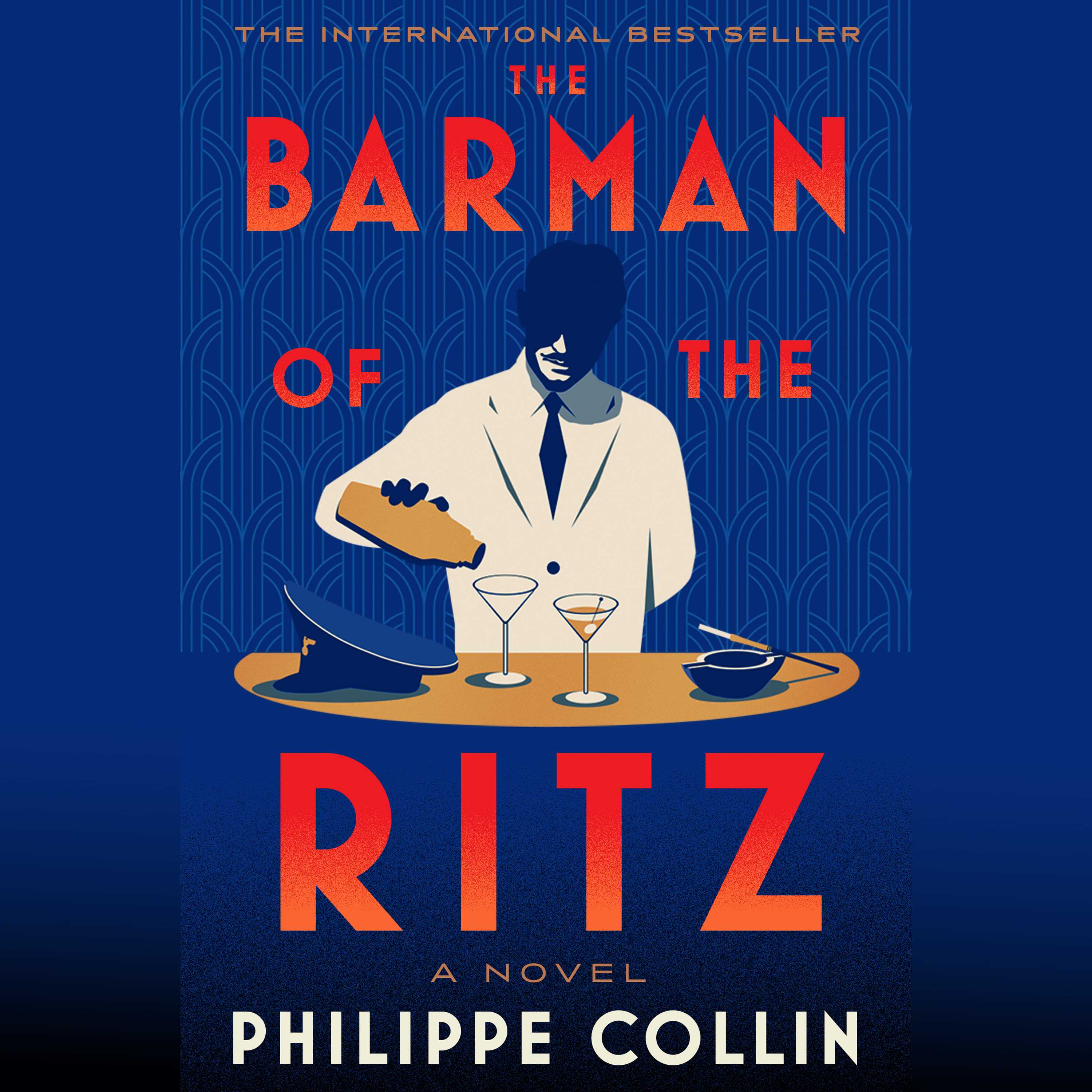
Book Cover Image (jpg): The Barman of the Ritz
Unabridged Audio Download 9781668135389
-
Author Photo (jpg): Philippe Collin Photograph by Roberto Frankenberg(0.1 MB)
Any use of an author photo must include its respective photo credit