Plus, receive recommendations and exclusive offers on all of your favorite books and authors from Simon & Schuster.
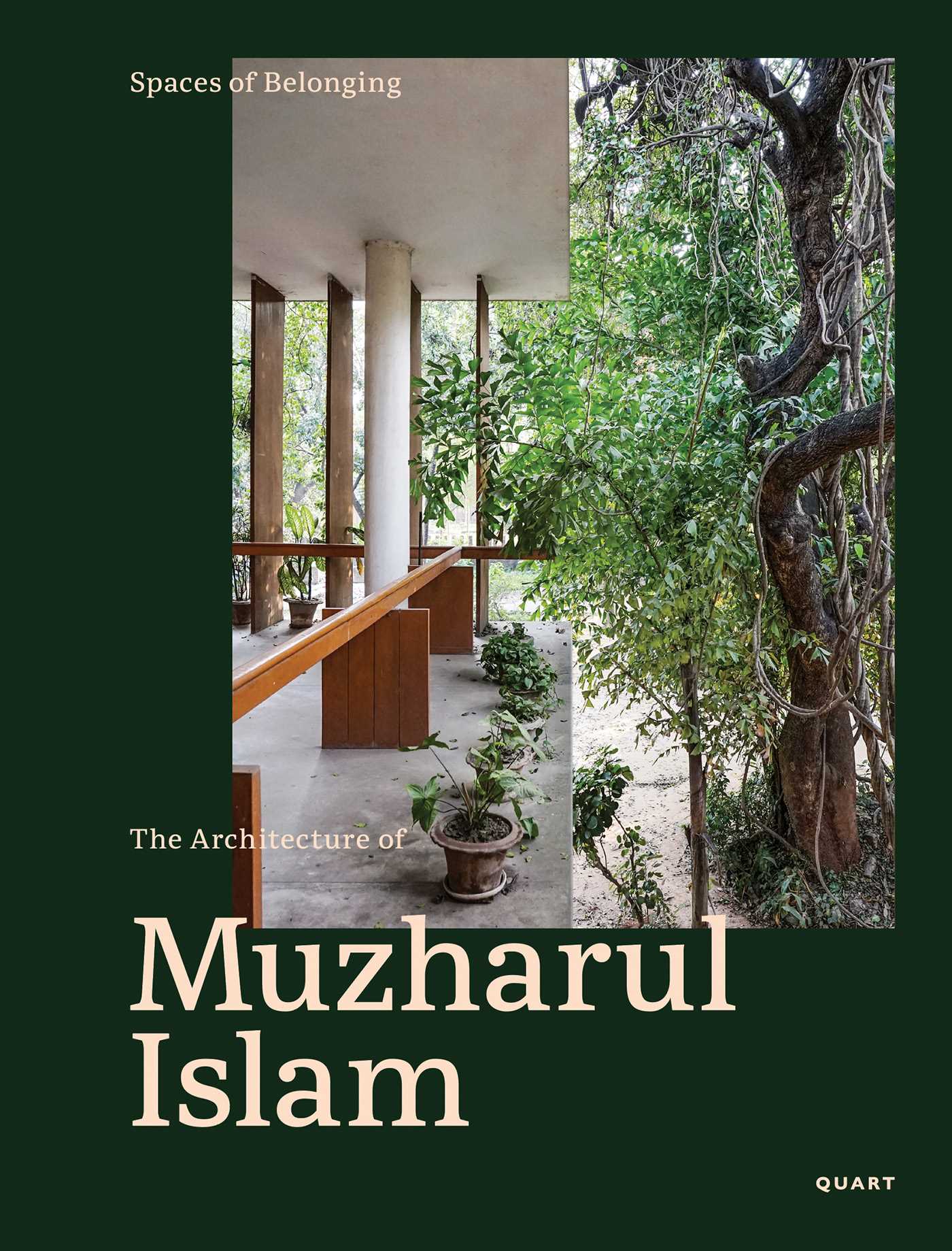
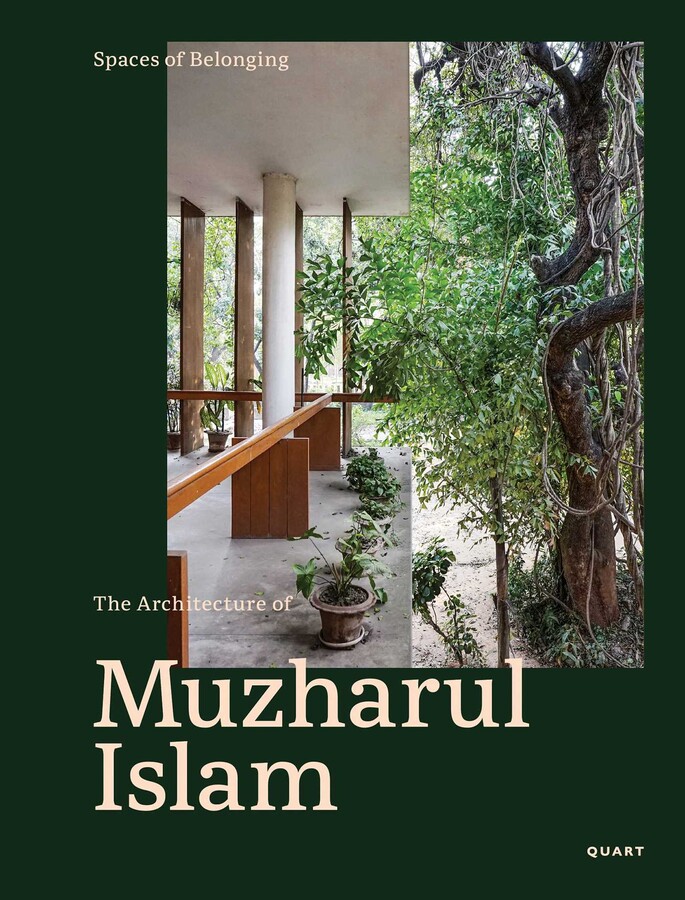
Spaces of Belonging – The Architecture of Muzharul Islam
Edited by Niklaus Graber
Published by Quart Publishers
Distributed by Simon & Schuster
LIST PRICE $99.50
PRICE MAY VARY BY RETAILER
Get 20% off with code FALL26 plus free shipping on orders of $40 or more. Discount on physical products only. Terms apply.
Buy from Other Retailers
Table of Contents
About the Book
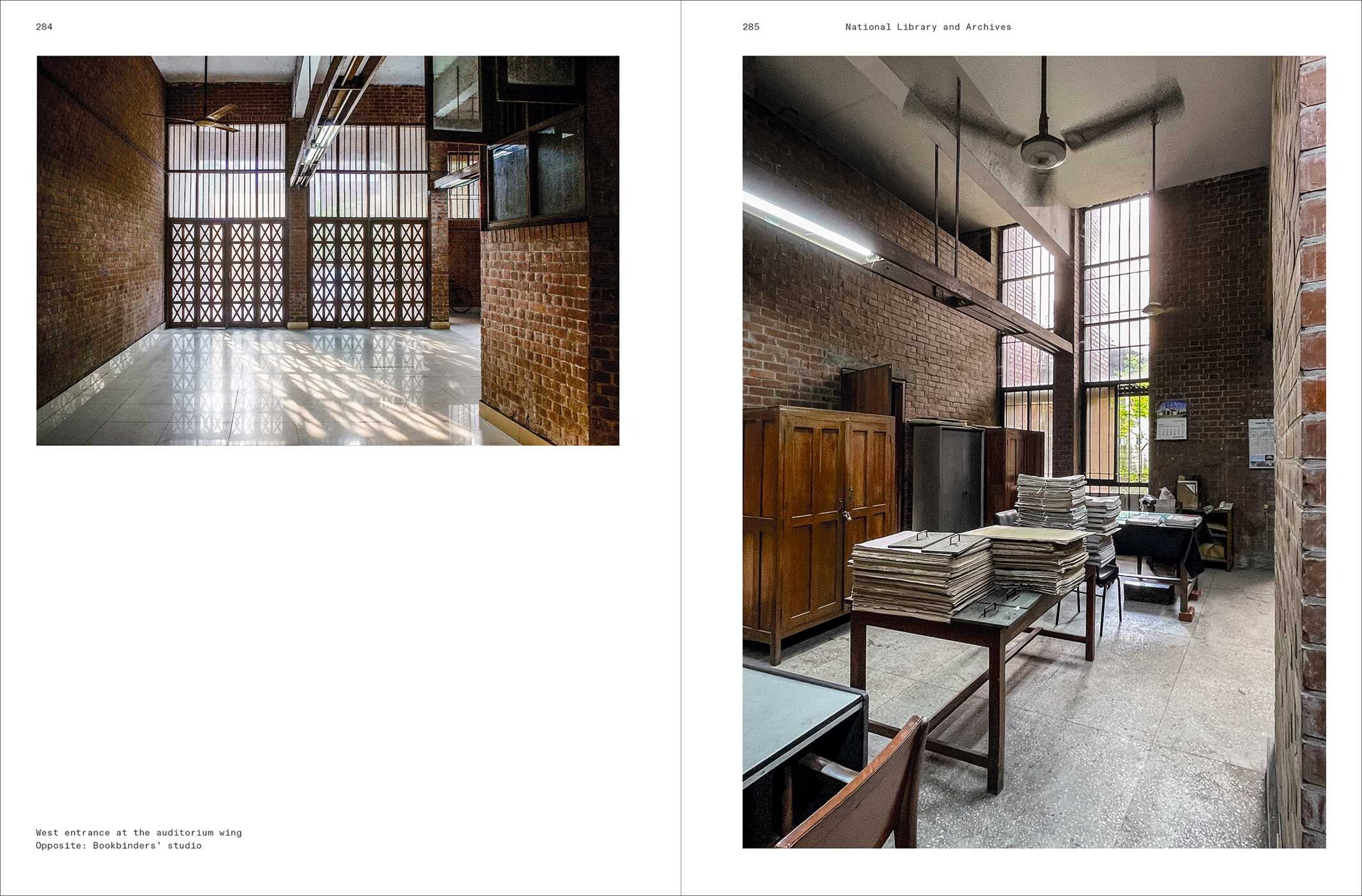
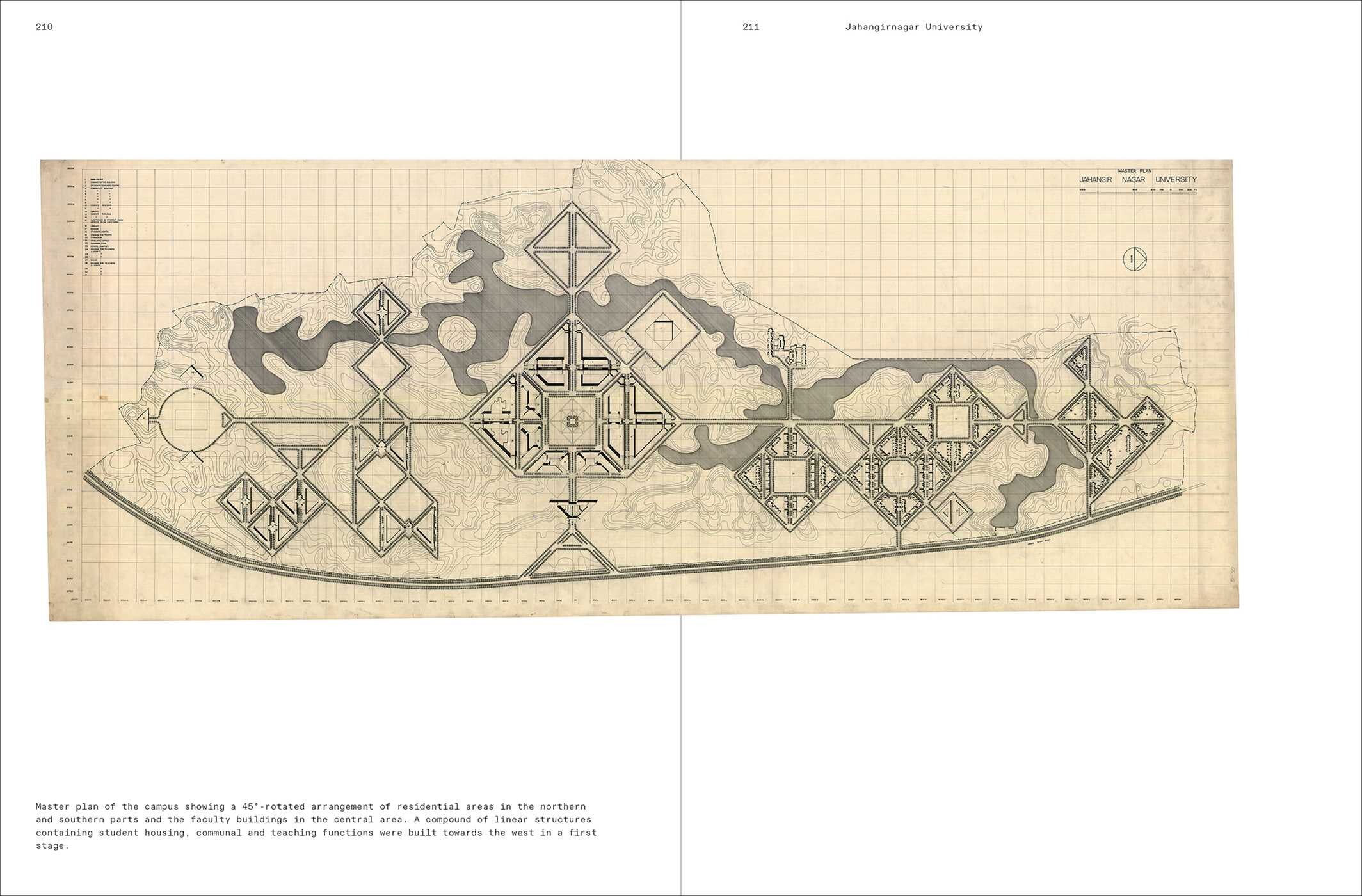
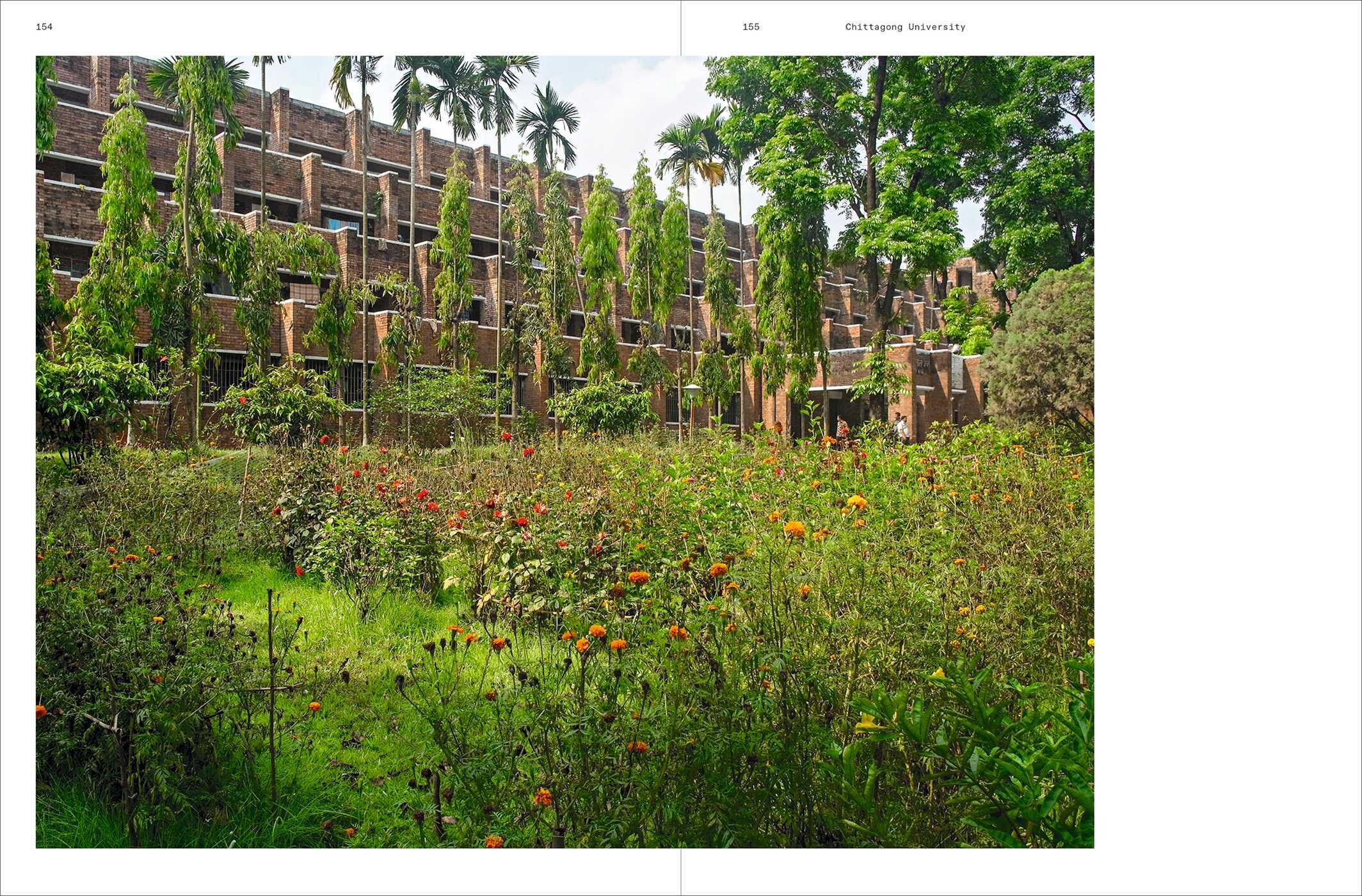
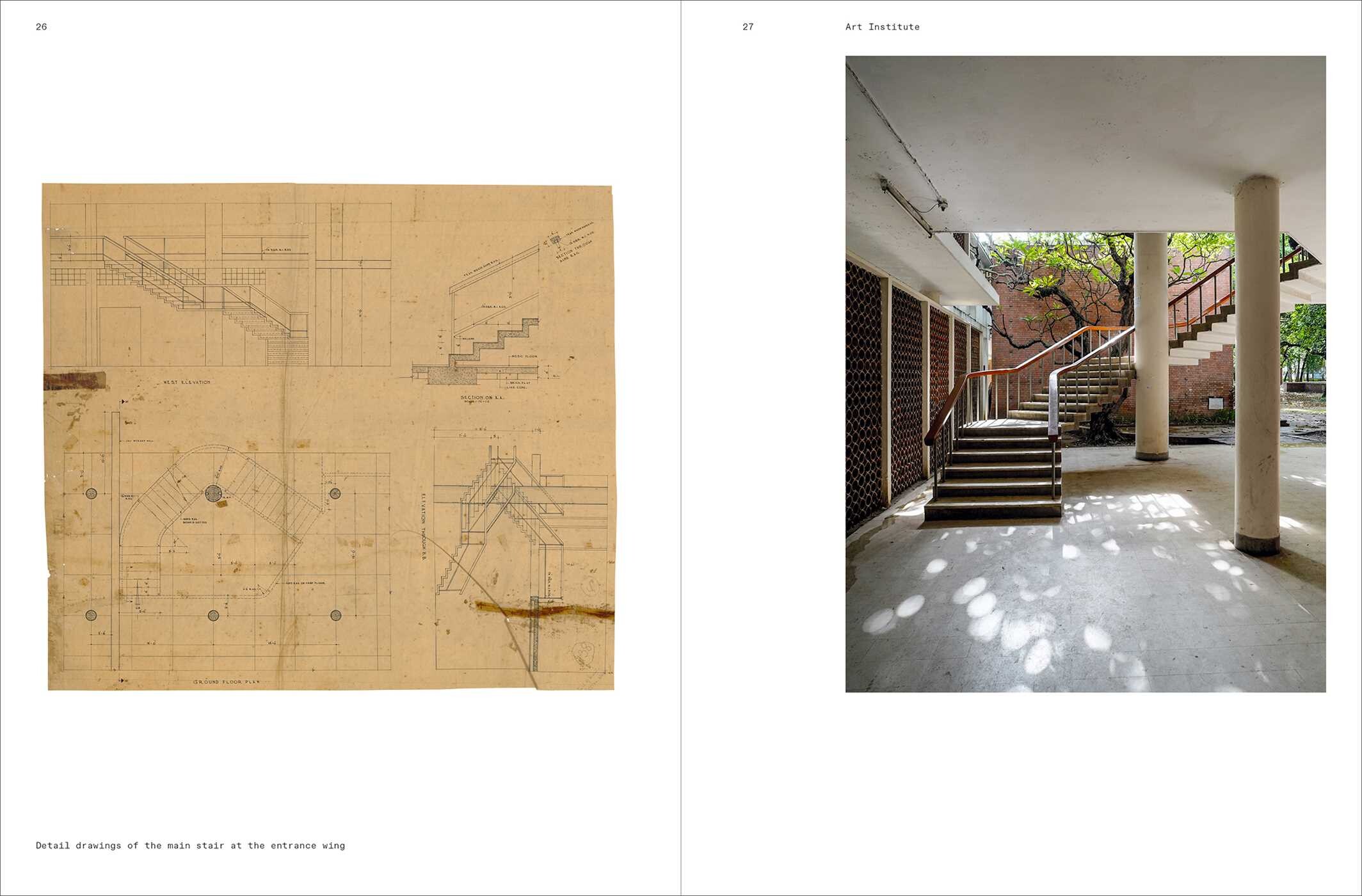
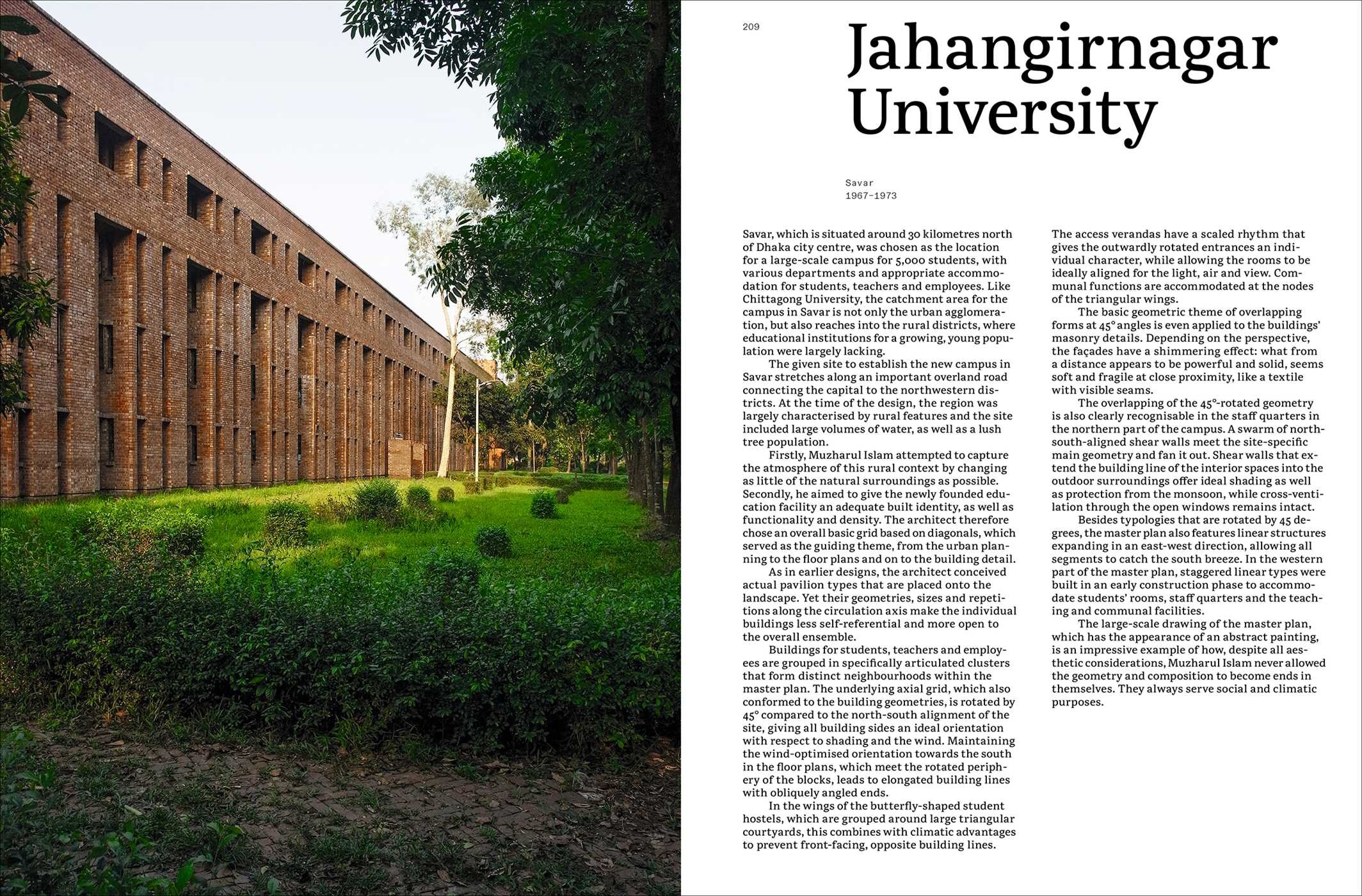
Muzharul Islam (1923–2012) has left behind an outstanding architectural legacy in Bangladesh. Yet until now, his work has remained relatively unknown despite its relevance and singularity. This monograph presents numerous photographs and reproductions of detailed original drawings to introduce a series of unique buildings to an international audience.
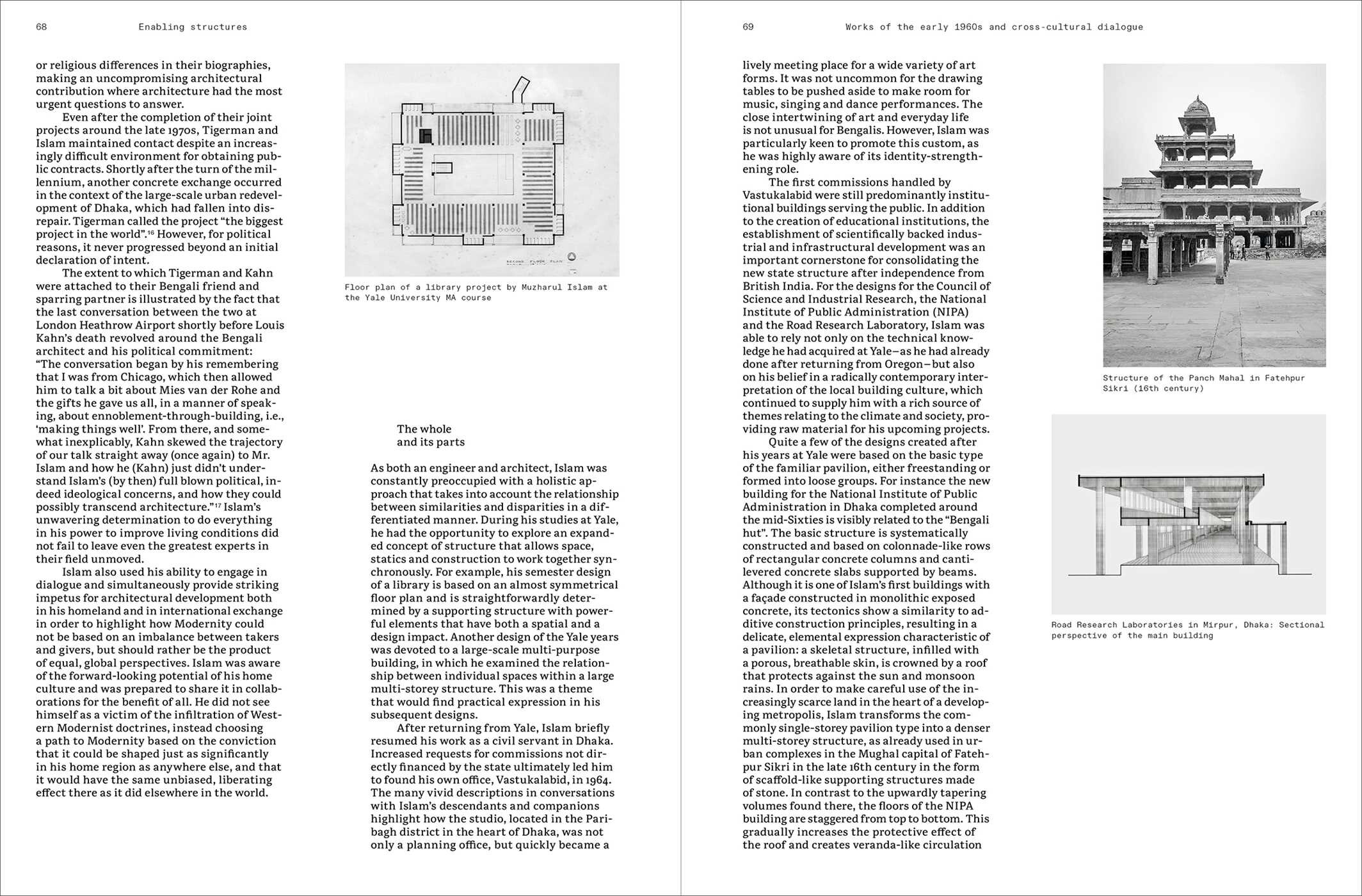
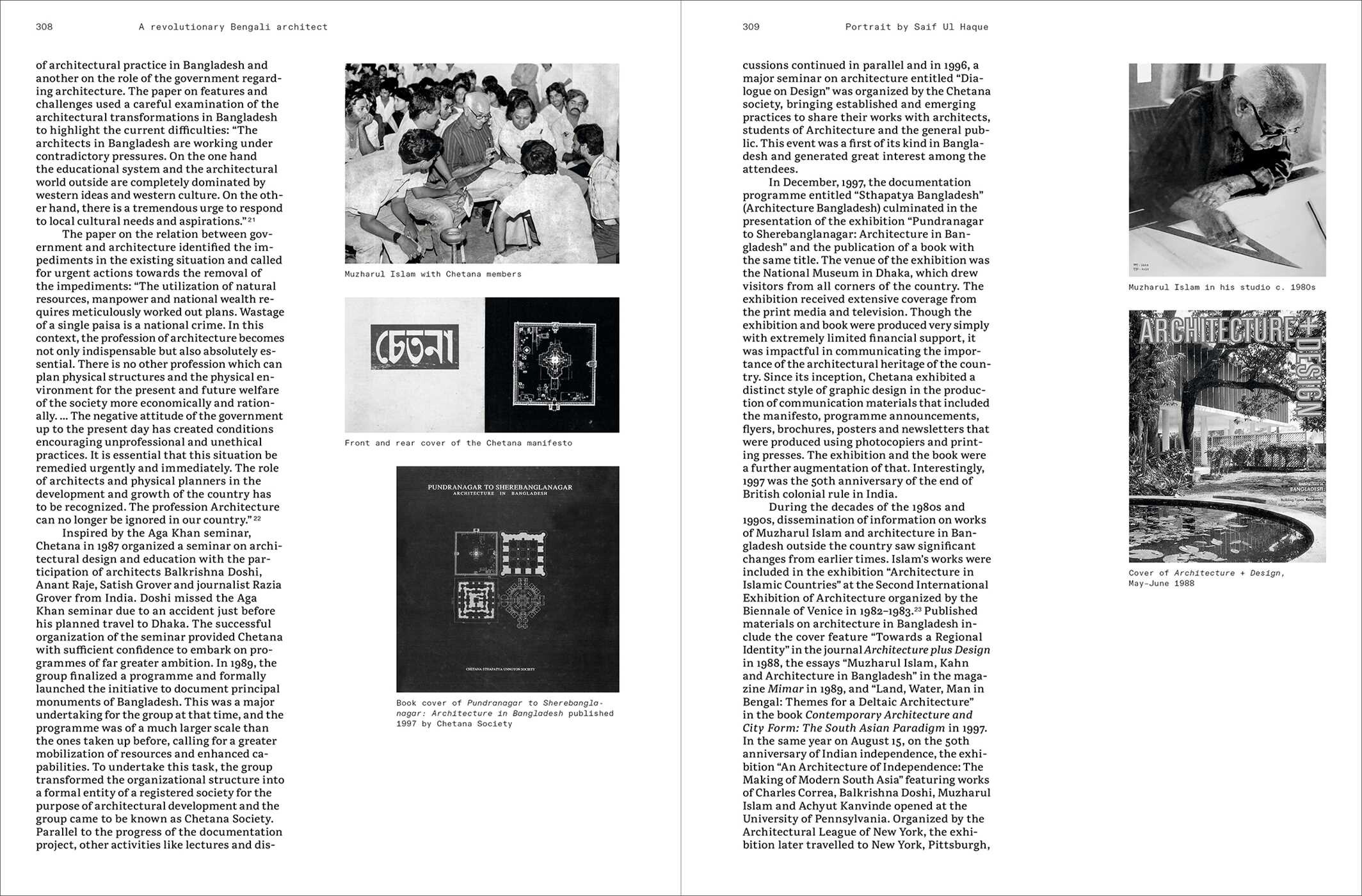
Muzharul Islam (1923–2012) has left behind an outstanding architectural legacy in Bangladesh, with a significance reaching far beyond the temporal and geographical horizons of its creation. Yet until now, his work has remained relatively unknown despite its relevance and singularity. This monograph presents numerous photographs and reproductions of detailed original drawings to introduce a series of unique buildings to an international audience, highlighting the Bengali architect’s way of thinking and actions, as well as his engagement in cross-cultural dialogue. Contributions by practising architects from different continents present multifaceted perspectives on Islam’s work, placing him within a historical context and global interconnections. Muzharul Islam’s pioneering and timeless works address burning issues that are currently shaping the global architectural debate: climate-sensitive and self-sufficient construction, social engagement and overcoming colonial mindsets are all fields that the architect pursued relentlessly since the beginning of his career in the 1950s.
His ideas are no less relevant today than those of Balkrishna Vithaldas Doshi and Charles Correa, translating the often abstract conceptual construct of Modern building into a sensorial, approachable and contextual architecture that naturally integrates its users’ way of life.
Islam, who studied in the USA and England in the 1950s and 1960s, called for Modern architecture that was compatible with the local climate and culture, without lapsing into provincialism or unthinking internationalism. In keeping with his ideal of intercultural dialogue, he managed to attract international protagonists such as his teacher Paul Rudolph, his fellow student Stanley Tigerman and ultimately Louis I. Kahn to carry out important building tasks in his homeland.
Numerous contemporary photographs, plans and reproductions of Islam’s masterful original drawings take the readership on a voyage of discovery. Essays by former companions and the editors present multifaceted perspectives on Islam’s work, placing him within a historical context and current global interconnections.
Muzharul Islam (1923–2012) has left behind an outstanding architectural legacy in Bangladesh, with a significance reaching far beyond the temporal and geographical horizons of its creation. Yet until now, his work has remained relatively unknown despite its relevance and singularity. This monograph presents numerous photographs and reproductions of detailed original drawings to introduce a series of unique buildings to an international audience, highlighting the Bengali architect’s way of thinking and actions, as well as his engagement in cross-cultural dialogue. Contributions by practising architects from different continents present multifaceted perspectives on Islam’s work, placing him within a historical context and global interconnections. Muzharul Islam’s pioneering and timeless works address burning issues that are currently shaping the global architectural debate: climate-sensitive and self-sufficient construction, social engagement and overcoming colonial mindsets are all fields that the architect pursued relentlessly since the beginning of his career in the 1950s.
His ideas are no less relevant today than those of Balkrishna Vithaldas Doshi and Charles Correa, translating the often abstract conceptual construct of Modern building into a sensorial, approachable and contextual architecture that naturally integrates its users’ way of life.
Islam, who studied in the USA and England in the 1950s and 1960s, called for Modern architecture that was compatible with the local climate and culture, without lapsing into provincialism or unthinking internationalism. In keeping with his ideal of intercultural dialogue, he managed to attract international protagonists such as his teacher Paul Rudolph, his fellow student Stanley Tigerman and ultimately Louis I. Kahn to carry out important building tasks in his homeland.
Numerous contemporary photographs, plans and reproductions of Islam’s masterful original drawings take the readership on a voyage of discovery. Essays by former companions and the editors present multifaceted perspectives on Islam’s work, placing him within a historical context and current global interconnections.
Product Details
- Publisher: Quart Publishers (April 28, 2026)
- Length: 320 pages
- ISBN13: 9783037613009
Browse Related Books
Resources and Downloads
High Resolution Images
-
Book Cover Image (jpg): Spaces of Belonging – The Architecture of Muzharul Islam
Hardcover 9783037613009