Plus, receive recommendations and exclusive offers on all of your favorite books and authors from Simon & Schuster.
Published by Pelagic
Distributed by Simon & Schuster
LIST PRICE $29.99
PRICE MAY VARY BY RETAILER
Get 20% off with code SPOOKY plus free shipping on orders of $40 or more. Discount on physical products only. Terms apply.
Buy from Other Retailers
Table of Contents
About the Book
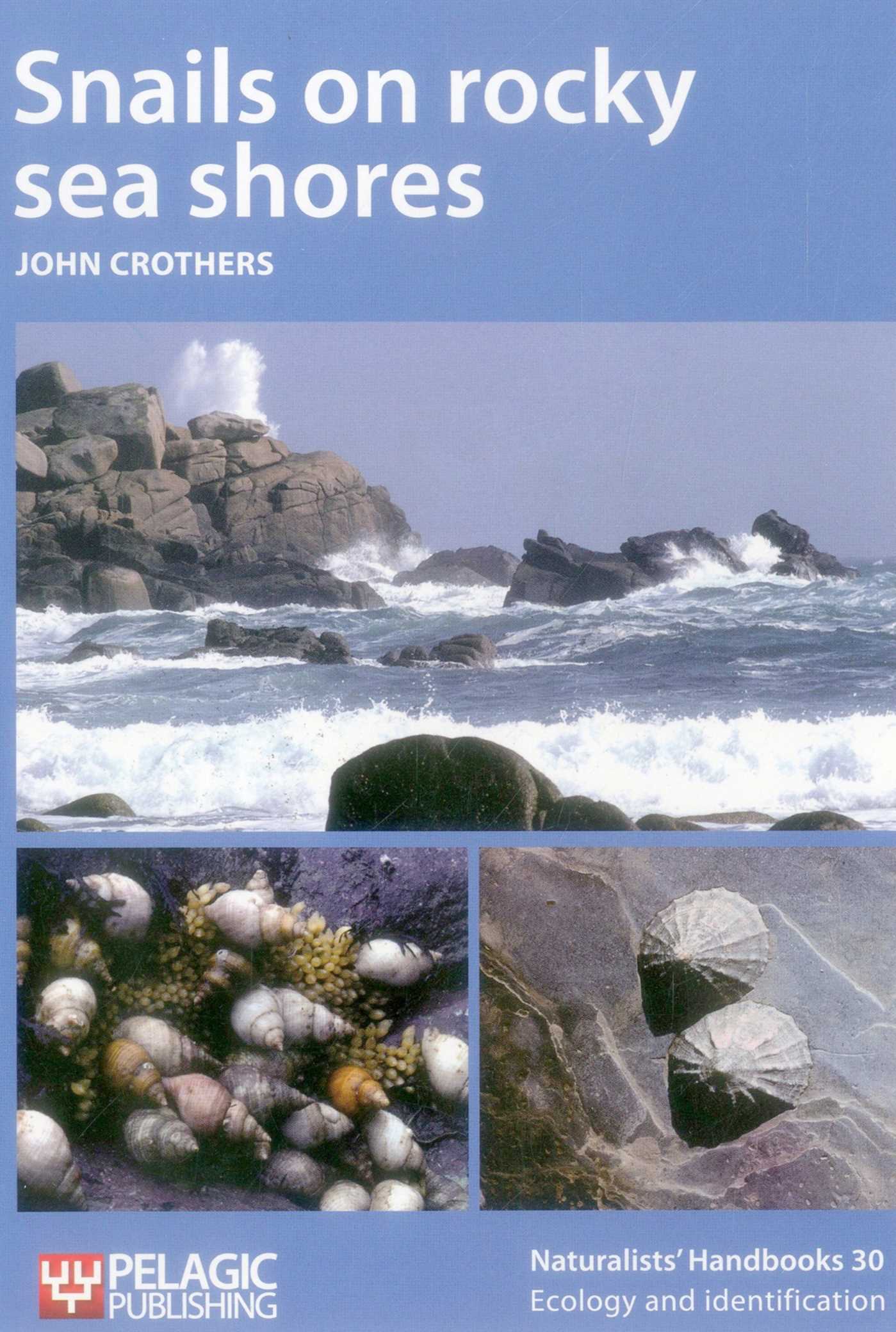
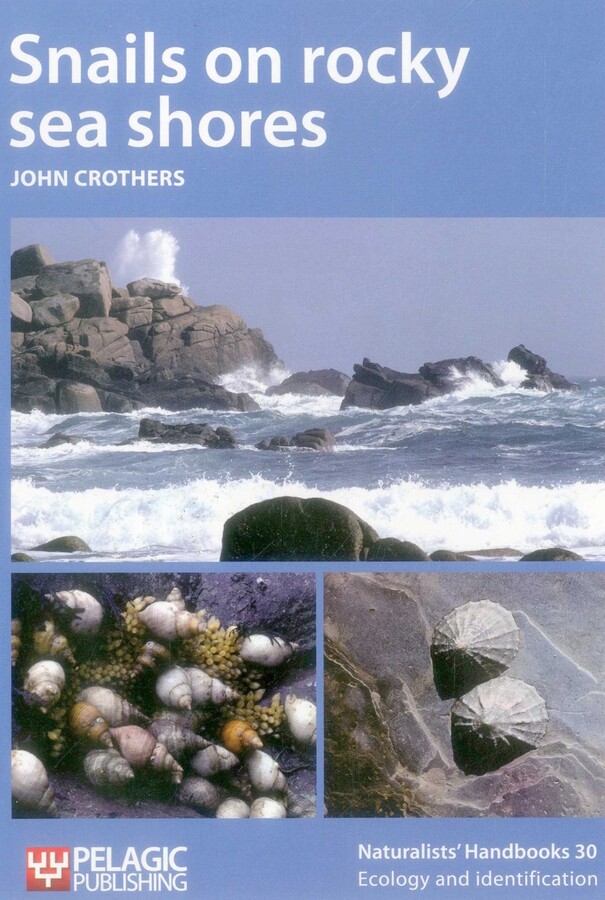
The snails found living on rocky sea shores are among the most rewarding invertebrate animals to study. Species such as dog-whelks, topshells and winkles are easy to find, capture, identify, measure and mark. This book provides a key to common species, background ecology, an overview of rocky shore habitats and the techniques required for anyone to study this fascinating and accessible fauna.
Product Details
- Publisher: Pelagic (January 1, 2012)
- Length: 97 pages
- ISBN13: 9781907807152
Browse Related Books
Raves and Reviews
Limpets, winkles, topshells and whelks are some of the most common, most accessible, and most easily studied animals to be found on the seashore and this useful little guide will help students of all levels to identify them with confidence. Following a general introduction to the biology of marine snails (anatomy, physiology, life cycles, etc.), each group is given a more detailed chapter emphasising those aspects of their behaviour and life history that underpin their role in the seashore ecosystem. These sections are well illustrated with line diagrams and small black-and-white photographs, while many questions, added almost as conversational asides, suggest interesting projects. Two detailed and well-illustrated sets of keys aid with identification and there is a useful table listing some of the (many) name changes that have occurred with even the most common species over the years. Whether the names given here mark the end of these taxonomic revisions is impossible to say, of course, especially for the flat and rough periwinkles, but at least it provides a convenient and accessible summary without recourse to the highly specialised literature. There are also a couple of spreads of colour photographs illustrating the enormous diversity of colours and banding patterns that make (in this case) dog whelks so interesting to study.
In addition to the help given with identification, the guide also summarises some of the physical features of the seashore that need to be appreciated (tides, waves, exposure, etc.), and gives a helpful review of some of the specialised techniques for studying the seashore habitat (transects, quadrats, population measurements, etc.). There is a comprehensive list of references and suggestions for further reading for those who wish to follow up some of the ideas mentioned. Key words are explained, and often illustrated, where they are first met but there is no glossary – a small criticism but perhaps one to address in a future edition.
All in all, this is an excellent addition to an excellent series of naturalists’ handbooks and should be part of the equipment for any field trip to the seashore.
– Ian Lancaster, SSR
This is the latest in a long line of Naturalists' Handbooks, dating back to the 1980s, which explore topics susceptible to field study by schools, universities, field centres and keen naturalists. This one treats an ideal sublect: the common snails of seaside rocks - limpets, topshells, winkles and dog-whelks. As usual, it includes a key to the main species, an account of their ecology and the ways in which they can be studied. The series now has a new pubisher (Pelagic Publishing) which, in this book, has fully maintalned past standards. I hope that many more will follow.
– Peter Marren
This is an excellent addition to an excellent series of naturalists’ handbooks and should be part of the equipment for any field trip to the seashore.
– Ian Lancaster, SSR
Resources and Downloads
High Resolution Images
-
Book Cover Image (jpg): Snails on Rocky Sea Shores
1st Edition Trade Paperback 9781907807152