
Plus, receive recommendations and exclusive offers on all of your favorite books and authors from Simon & Schuster.
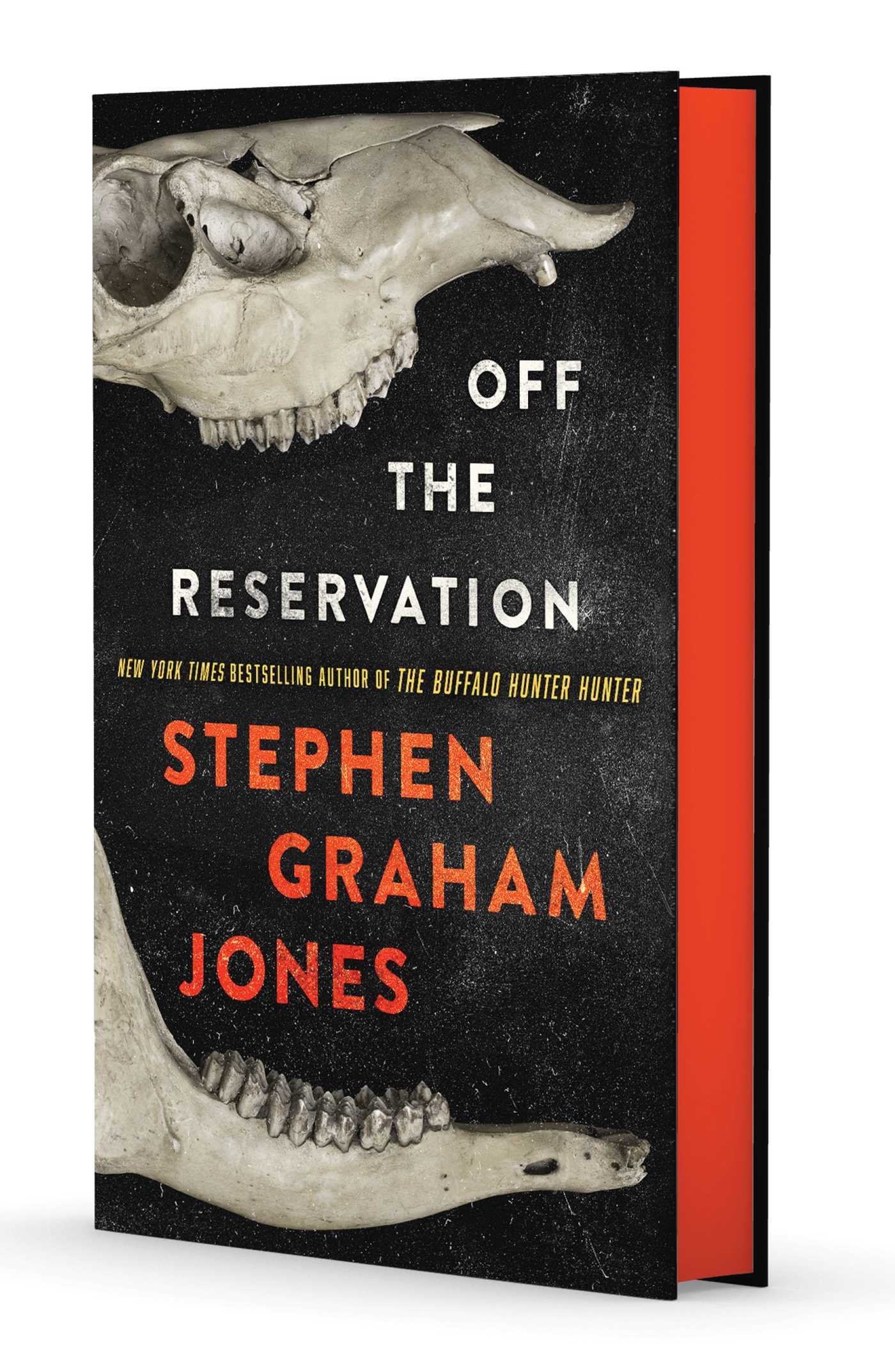
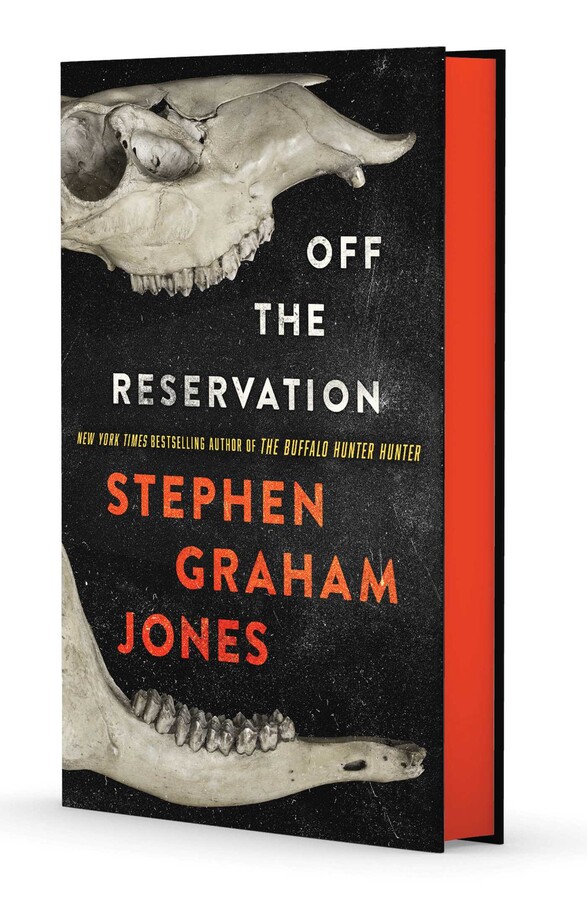
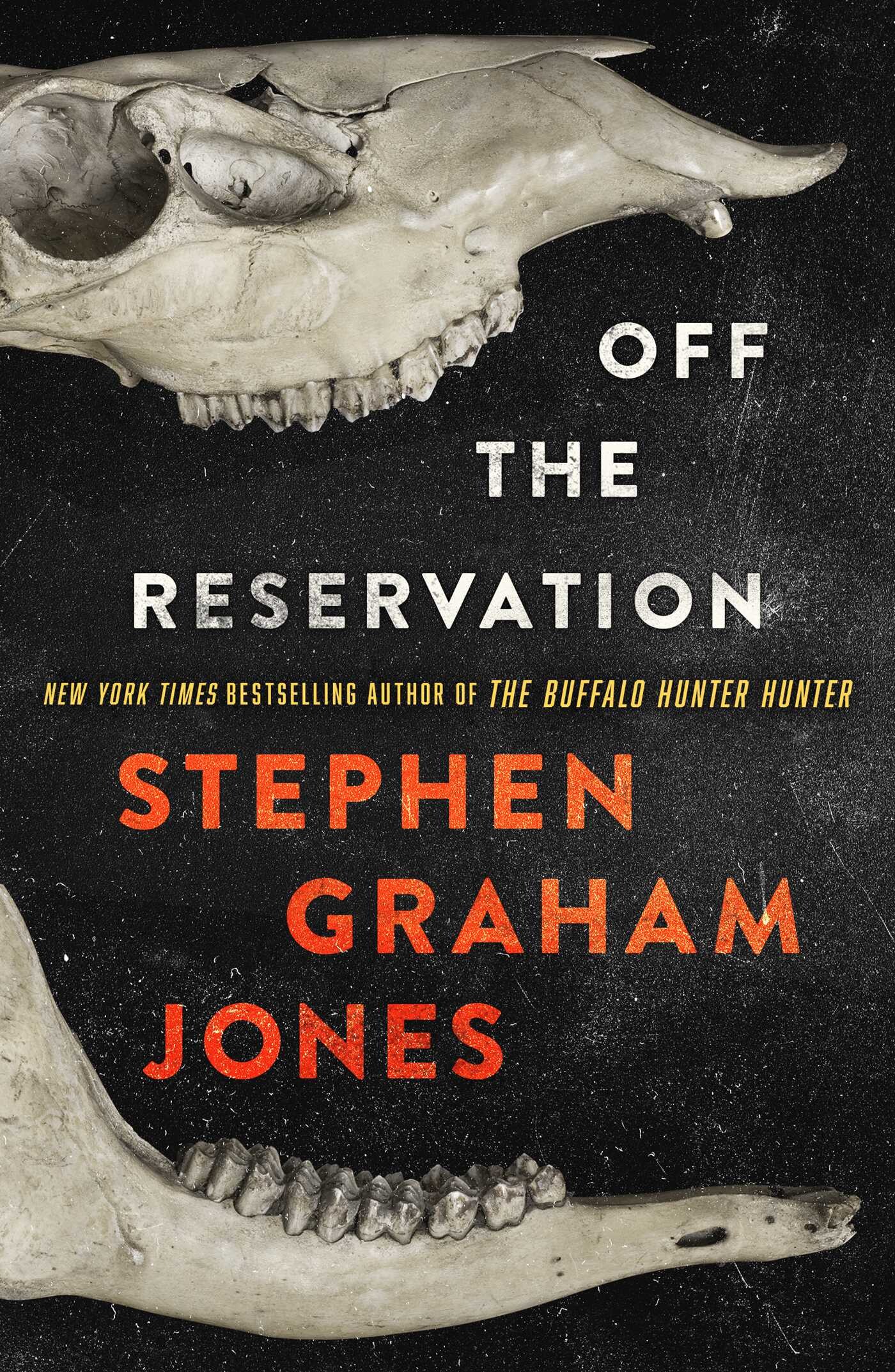
Off the Reservation
Table of Contents
About the Book
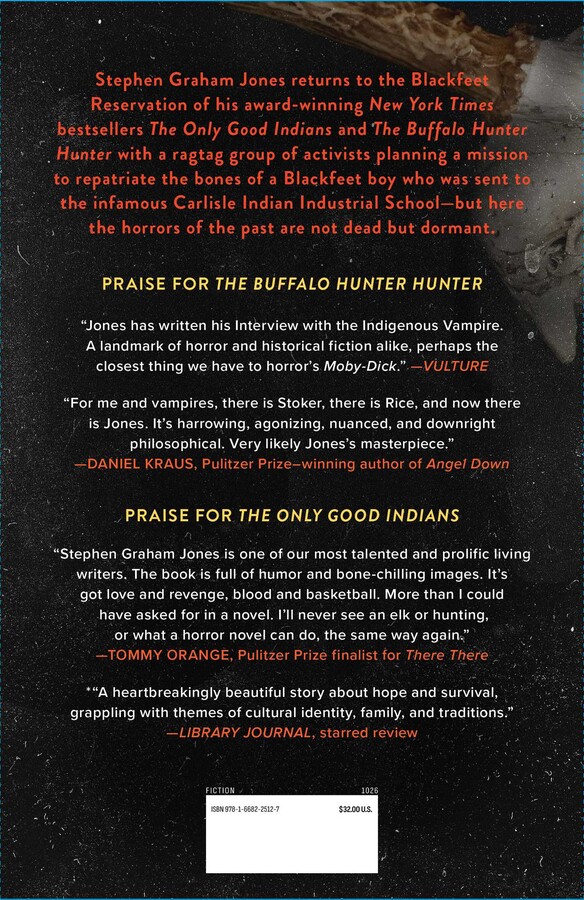
A ragtag group of activists sets out to repatriate the bones of a Blackfeet boy taken to the infamous Carlisle Indian Industrial School in author Stephen Graham Jones’s return to the Blackfeet reservation of his award-winning New York Times bestsellers The Only Good Indians and The Buffalo Hunter Hunter.
Five years have passed since the massacre on the Blackfeet reservation in Stephen Graham Jones’s breakout bestseller The Only Good Indians. Nathan Yellow Tail, one of the survivors of the revenge murders, finds himself in the hospital after a terrible accident that should’ve killed him and that nearly killed his best friend, Sebby, who is hanging on to life in a room a few doors down.
Nate’s life is out of balance, so when he is given the chance to reset his life, and maybe save Sebby in the process, Nate steps up, again. This time it’s into a camper van that is almost as run down as his broken body, filled with three older Blackfeet, to find the bones of the lone Blackfeet boy who died at the Carlisle Indian Industrial School—where many Indigenous children were abused—and repatriate this boy home. The problem is, when they get the bones, something terrible has escaped with them.
By turns terrifying and deeply moving, Off the Reservation is a haunting American Indian novel of survival, reckoning, and redemption, shining light on the dark corners of this country’s history while also showing the desperate choices people make when they’re put up against a wall.
Five years have passed since the massacre on the Blackfeet reservation in Stephen Graham Jones’s breakout bestseller The Only Good Indians. Nathan Yellow Tail, one of the survivors of the revenge murders, finds himself in the hospital after a terrible accident that should’ve killed him and that nearly killed his best friend, Sebby, who is hanging on to life in a room a few doors down.
Nate’s life is out of balance, so when he is given the chance to reset his life, and maybe save Sebby in the process, Nate steps up, again. This time it’s into a camper van that is almost as run down as his broken body, filled with three older Blackfeet, to find the bones of the lone Blackfeet boy who died at the Carlisle Indian Industrial School—where many Indigenous children were abused—and repatriate this boy home. The problem is, when they get the bones, something terrible has escaped with them.
By turns terrifying and deeply moving, Off the Reservation is a haunting American Indian novel of survival, reckoning, and redemption, shining light on the dark corners of this country’s history while also showing the desperate choices people make when they’re put up against a wall.
Appearances
OCT 17
6:00PM
In Person
Learn MoreB&N Glendale
The Americana at Brand, #2303,
210 Americana Way
Glendale, CA 91210
NOV 4
6:30PM
In Person
Boulder Public Library
1001 Arapahoe Ave
Boulder, CO 80302
Excerpt
1. Crow Guts Anonymous CROW GUTS ANONYMOUS
Nurse Seine Plenty Wolf wasn’t a junkie anymore. Except for other people’s things.
It was why, for a few graveyard shifts, she’d been spending her breaks in the dead kid’s room. That was what the staff had taken to calling Sebby Spear Woman—he’d taken the front bumper of that big truck right in the left side, and that truck had been moving. All that was keeping him alive now was the breathing machine.
The first thing she spirited away from his room, wearing the strap right across her chest, was a beaded parfleche. The two-hundred-year-old strap held until she got to her car, when the bag dropped into her hands exactly like fate, like this was what she was supposed to have done. The pipe that had been wrapped in some throwaway hide was gravel and dust now, from the wreck, so she left it, and the bustle had exploded into the Indian version of pick-up sticks. All the same, Seine lined the bottom of the parfleche with those quills, didn’t know yet what she might do with them. But: something.
The dead kid certainly wasn’t going to have any use for them.
Most of the rest of the stuff in the white trash bag had just been junk: an ice cream scoop with a handle you could pour hot water in if you thought that far ahead and could tolerate dairy, two or three videotapes with ragged-out cardboard sleeves that she dutifully shelved in the patient library, an unopened blister pack of SPF lip balm, and a clutch of those cartoon horses with the flowy manes it was hard not to be jealous of. Were there Spear Woman little sisters, maybe? Little cousins? Seine had only made it back to Browning a few years ago, had missed a lot of births, even more deaths.
She left the pink and purple ponies in the trash bag by the dead kid’s bed. If those sisters or cousins came visiting and found them, that could be good, could be something they’d remember their big brother or older cousin for.
Little girls wouldn’t care about the notebook under the ponies, though.
Seine flipped through the blocky writing, tucked it in with the rest of her books at her station and patted it four times, making it hers, then she made her scuffling rounds, waiting for the last two ibuprofen to kick in—fifty-eight wasn’t ancient, but tell that to her hips, her ankles. You don’t live hard on the streets of Seattle for two decades without your body remembering those cold, wet nights.
Seine lifted her chin, pressed on, changing sheets and emptying colostomy bags, assuring and consoling, until, finally, she was leaning over to peer into the living boy’s room, the one the medics hadn’t left the white trash bag with, since charges could still stick to him.
It had been four months since the wreck that would eventually kill his friend down the hall—that, really, already had—but this one was a Yellow Tail, and Seine remembered that family from before she left the reservation the first time, how they were always walking away from things that should have killed them, walking away smiling that smile of theirs like they were charmed and knew it.
“Cig swa?” she said into his room for probably the twentieth time since he got stable enough.
Nate, watching cartoons in his bed and gnawing on the straw of his second shake of the day, looked over to her, his lips pressed together, and nodded once in a way that almost made her cry right there.
Because he was set to be released in two days, she didn’t have to help him into his wheelchair. He was moving normal, even if he’d never look like he used to—that nest of scars on his right cheek made Seine hiss the first time she saw them, when they were inflamed with layers of stitches. The emergency room doctors at Blackfeet Community Hospital weren’t on the cosmetic surgery track, so she supposed she couldn’t blame them, but still, the kid’s face looked like someone had popped a melon with a .410, then tried to suture that hole shut with yarn.
It hadn’t puckered as bad as Seine had thought it would, but for the rest of his life he was going to be catching people sneaking guilty looks.
“Poia Poia Poia…” she said to him, lifting the old-timey white football helmet from the wooden hook for visitors’ jackets and handing it off to him.
Poia was Scar Face in the old stories. The one who brought the sweat lodge down to the Blackfeet.
“Still?” Nate said about the helmet.
“Dodgeball game breaks out out there,” Seine tsk-tsked, chucking her chin to the wide hallway, “there needs to be some sign telling who has a skull fracture, who doesn’t, think?”
Nate settled into the chair, leaning forward to guide his hair from behind his back. When that was done, he held the old-timey helmet there on his lap, studying it like it was a skull he’d just dug out of a cutbank.
“Now you’re Jim Thorpe on break,” Seine leaned down to whisper to him.
“Jim who?” Nate asked, but not in a way where he wanted an answer. More like to tell her she was old and he wasn’t.
Seine wheeled him out into the hall, knew that Dr. Rodge was still drinking from his flask in the parking lot, wouldn’t be on the floor for another twenty minutes, giving them time to burn one—two if they were fast.
“First, please?” Nate said, when she had him at what counts as speed with a wheelchair.
Seine slowed, both glad he remembered and sad that he did, and turned him into the doorway of his dead friend’s room, kicked the brake on.
Nate stood, hung the old-timey helmet on the wheelchair’s handle and crossed the room to the bed. Seine stepped back not so much to give him his privacy as to watch for what other nurses might be clocking this, for ammunition later: “Cover my Friday shift?” “Deal with 9B for me, just this once?”
The only sound from the dead kid’s room was the breathing machine.
Seine peeked in and Nate was just standing by the bed, head lowered, muttering… it wasn’t any of her business, she told herself. And: this is part of it. This is how you start to let go—not all at once, but little by little, day by day. Except, another way to say that is that you hold on until the last possible moment, until you can’t anymore.
Finally, Nate shuffled out, eased back into the chair, folded the footrests down one by one.
“I don’t want you getting your hopes up,” Seine said to the top of his head.
“He’s tough,” Nate said back.
“Crow Guts Anonymous?” she said like an invitation.
“Isaputsists,” Nate translated back like it was such a drag having to—she was trying to make him remember the old words, the old ways. He’d gone into a coma one kind of Indian, but she was going to pull him up a better one.
Crow Guts was an old-time traditional Blackfeet meal, but, for her and the kid, it was Group, it was Recovery, it was picking through the past to find the bits they could do something with. Just, because this was Browning, Group was only Seine, the leader, and Nate, the reluctant participant. Which is why the cigarettes, of course. There’s got to be some enticement to show up, some bait. Nobody wants to come to Group just to get better.
Seine had to use her card for the side door, the one with the little cubby out of the wind, complete with a craggy brass spittoon for ashes and butts.
“I owe you,” Nate said about the pack she was working up from her sock.
“You know what that costs,” Seine said right back to him, about the cigarette he’d already taken, was packing against his wrist bone.
Nate flicked his eyes over to her, said, about the name tag she’d only just unearthed from a kitchen drawer this morning, “Plenty Wolf? That a name from around here?”
He knew it wasn’t, was being polite.
“First husband,” Seine said after her first drag, closing her eyes to feel the smoke rush out. “Lakota man. I ran away to get married, divorced to come back home, kept the name so I’d at least have something good left over.”
“Kids?”
“You’re stalling, Yellow Tail,” she told him.
“You really occupied Wounded Knee?” he said then all the same, doubt in his voice because the math on her age didn’t look to be adding up for him—she’d only dropped this little piece of history on him yesterday, when they were talking about what was happening over at Standing Rock.
“Told you, I was fifteen,” Seine said back with a dismissive shrug. “That was old enough, back then.”
“But what was it like, being, you know, part of history, all that?”
Seine just shrugged, tongued her cheek out a bit.
“You going again this time?” Nate pressed. “See if the FBI finally shoots you?”
Seine narrowed her eyes, imagining herself standing at a barricade, helicopters hanging overhead, cameras drinking all these dangerous Indians in. That had been her sole desire back then: to be dangerous, properly hostile. That girl was still coiled up in her, too, still ready to fight, to give it all up if that’s the way it had to be, but the woman on the outside of that girl sort of just wanted a place to call her own, these days.
“I think it’s national guard, now,” she said.
“Feds are feds, yeah?” the kid said, flashing his eyes up to her.
“My rez pony’s water pump’s going bad,” she said. “Don’t think she’ll take me all the way over to the Cannonball.”
“Cannonball?” Nate asked, squinching his whole face up.
“A river—forget it,” Seine told him. “You think you can get me distracted, like I’ve never had to deal with one like you.”
Nate chucked his chin out to the line of drops pattering down in front of them.
“Reservation’s melting,” he said, and she could tell he was quoting someone, saying this in their voice, sort of. Probably his dad again. Which was what he was gearing up for here, she was pretty sure. Half the stories he traded her for smokes were about his dead father. It was his main currency, was all he had to draw on for the rest of his life.
So it is with Indian sons.
“Soggy, yeah,” Seine said, about all the mud and smells out in the overgrown patio-courtyard thing. “Too bad you noticing the season changing doesn’t get you out of anything, though.” She waggled her Marlboro to show what she meant.
“There’s nothing good left,” Nate whined, ashing into the spittoon. “I’m hollowed out.” He touched his stomach to show, and the way his fingertips made just the lightest possible contact made Seine look away.
“That’s just the shakes,” she said. “But, it’s okay, I can start leaving my smokes in the car for these sessions, you want.”
It was the game they played every time, him pretending he didn’t have anything, her prodding it out of him.
“Okay, okay. How about—know what an Inpala is?” he asked then, catching her eyes to see if there was any recognition.
“Impala, like that antelope from Africa?” she asked. “Or is that a big fancy goat?”
“Inpala,” Nate said, turning his head to the side to exhale. “It was my dad’s car. Not his police one. The one he’d kept since high school.”
“Oh, oh,” Seine said. “This is the one you tried to buy from your uncle with your claim check, wasn’t it?”
“I told you that?”
“You were on drugs.”
“That supposed to narrow it down?”
They both chuckled, but Seine knew about this famous old Impala, yes, the one that could run off any blacktop at night and never roll, never go sailing into a coulee, that always started right back up. Nate’s uncle, to pay for Victor Yellow Tail’s wake and the funeral, had sold the car off the reservation before Nate woke up from having his pancreas and spleen blasted through. According to Nate, it was the reason he blew that money: he didn’t want some other ride, he wanted his dad’s.
But now it was gone.
“An Inpala is an Indian Impala,” Nate said with a shrug, failing to keep that Yellow Tail grin from his lips. “It’s what he called it.”
“Victor,” Seine filled in, just to enter his name properly into these proceedings.
She’d been gone by the time Victor was coming up, but she’d known his dad and uncles. They’d been the terror of the reservation in the seventies. The terror and the salvation—wasn’t that how it always went, with Indian men?
“That’s not a story,” Seine said.
“It’s something,” Nate said, ashing.
“Try harder.”
“This for you or for—?”
He made like to tap his skull with the knuckle of his left thumb.
Seine shrugged, but, yes, Dr. Rodge’s orders had been to gauge the patient’s recovery by getting him to perform light mental gymnastics. Crossword or sudoku would have worked, but there was nothing in that for Seine, admitted junkie of other people’s things. If she were an animal, she knew, she’d be a magpie for sure, stealing away with every bright shiny thing she could.
Other people’s stories were very shiny. They could sort of fill the space inside where her own family stories had been, before she’d poked needle holes all through them, so all the particulars bled out, left emptied-out ghosts shuffling around in her head.
“I guess there’s the… those little deer?” Nate said at last. “I tell you about them when I was on the truth serum?”
She looked to him with her eyebrows up, telling him this was new, yes.
“They just—they walked out into the road right in front of us,” he went on, holding his hand eight inches off the concrete to show how little he meant. “They’re why we stopped up there. Right before… you know.”
The wreck.
“So they were in the road?” Seine asked in her best bored detective voice.
The kid heard that.
“Where else would they have been?” he asked.
Seine didn’t push.
“They were little, but they were full-grown,” Nate went on, like trying to describe a dream to her. “One boy, one girl.”
“One buck, one doe,” Seine gently corrected, patting the top of his hand.
He drew the last long drag from his cigarette then held the spent butt out sideways, studied it like those pale dots were going to connect into some secret message.
“If you were a kid,” Seine said. “Like, young, I mean, I’d say those were little people you saw.”
“They were deer, not people,” Nate said.
“Same, same. But adult Blackfeet, who’ve been up the mountain to fast for four days and get their animal helper, all that, they come back with narrower eyes. They can’t see them anymore.”
“ ‘Little people,’ ” Nate filled in, his tone suggesting he didn’t like where this was going—what it was saying about him.
Seine shrugged, didn’t take it back.
“Pisstááhkaan?” he asked, nodding down to the idea of her pack.
“What is this, two-for-one day?” she said, her voice grinning but not her eyes. Then, quieter, like she couldn’t help herself, “And it’s oomo’nniimaan, for when it’s already rolled like this.”
“So write me a ticket,” Nate said, sighing back into his broken chair. “I’m a bad Indian. The worst Indian.”
Seine shook another up, held it across for him to thread out.
“There is one you might like, I guess,” he said at last, leaning forward to light off hers, their eyes so close for a moment.
“Dr. Rodge might already be on the floor,” Seine warned.
“It’s short,” Nate said, breathing his smoke in and holding it, holding it, his eyes watering. “I’m not in it, though. This one’s… it’s all my dad.”
Of course it was.
“So you can’t tell anybody, cool?”
“Just for me,” Seine told him, holding her cigarette up between two fingers in some mockery of a Boy Scout salute. She was picturing a magpie out on the prairie with a piece of tinsel in its beak, just diving and swooping, joyous.
“My dad would say how, when he was, like, I don’t know, first grade or something,” Nate led off, “he went out hunting with his dad once. My granddad, I guess, I never knew him. But they brought my granddad’s still-alive mom with, just to sit in the truck, be part of the hunt, yeah? Like, it was the glory days for her, one last time. How it used to be, all that. She came up before white people, yeah? She’d even been part of a jump when she was young. You know how… like, when all the buffalo go off a cliff?”
“What’s the word, Poia?”
“Piskun…” the kid hissed, jaw muscles flaring.
Seine reached out to ash.
“Anyway,” Nate went on. “When my dad’s dad didn’t show back up at dusk, and not by midnight either, my dad’s grandma, who had never learned to speak English, she climbed down from the truck and dragged all this brush up into a pile. Then she got my dad to use the lighter from the truck to start a big fire, to show her son how to get back to them.”
When Seine looked over, a big fat tear was rolling down the kid’s face.
She patted the top of his hand four times, kept that contact. This one meant something to him, didn’t it? It was especially shiny.
“But I don’t buy into all that Indian shit anymore,” he said, quieter. “Really, I don’t. Why would I, all it’s done is get me shot. But… I don’t know. I keep seeing it, yeah? An old woman and a young boy standing by a fire out there, and a man dragging a deer in to them. I don’t know. It’s stupid. Sorry. Just take it back.”
He was holding the half-smoked Marlboro across.
“Here,” Seine said, passing the whole rest of the pack over.
Nate looked away, tucked the pack under his left leg.
“What are you going to do when you’re out?” she asked, ashing again. It always felt good and right, tapping the paper spine of a cigarette twice fast with her index finger and watching that grey shiver off into open air, just hang for a moment before crumbling down into gravity. She wondered if that was what she was really addicted to, with smoking.
“Gonna find my dad’s car, I think,” Nate said. “Still.”
“And then what?”
He shrugged, said, “That not enough?”
After checking the hallway, Seine wheeled Nate back to his room, untangled his hair from the helmet’s buckle, and stuffed one of the videotapes from the patient library into the VCR that was part of the TV. But then they couldn’t find the remote.
“I’m watching this anyway,” Nate said about the cartoon, his face already slack with this animated chicken—he was still a kid, wasn’t he?
“Ring if you need me, you know the drill,” Seine said, and went back to her station. Hours later, covering KellyKel’s shift from niceness, not blackmail, she finally clocked that little notebook shelved on her desk. It was the only one in her little library with a naked spine.
She eased it out, holding the other books in place, and read it off and on for the rest of KellyKel’s shift—the handwriting was so blocky and neat—and then took it home with her to read again, be sure, her heart fluttering in her chest, and when she called in sick the next morning, it wasn’t because she’d caught something.
Well.
That wasn’t exactly true.
While Seine was up in St. Mary’s, or maybe when she was over in Blackfoot, or maybe her stop at Duck Lake between those two—all important errands—the kid got caught with that half pack of cigarettes. Surprise.
If he’d thought to wheel out through the front door, smoke there: no great harm, no big foul. Open flame on the floor, though, with all that oxygen hungry to mushroom-cloud the whole hospital…
Dr. Rodge called Seine in—since all the nurses were spineless thieves and didn’t trust each other, they Sharpied their initials in secret places on their own smokes—Seine lied that she’d lost that pack, and, like that, the big explosion wasn’t an oxygen tank but her getting no shifts for a week. Which Seine then had to tell Dr. Rodge thank you for, sir. Because he hadn’t fired her like he said he should have, like he said he would be doing if they weren’t so short-handed. Like he was definitely going to do if this happened again.
On the way out, her breath coming fast, eyes hot, still in her scrubs because she thought she was coming in for a shift, Seine dipped into the kid’s room.
He muted his chicken cartoon, said, like he wanted her to share his excitement, “I’m getting out tomorrow.”
It was cute the way he was trusting her. She was his hospital mom.
“I know you are,” Seine said back solemnly, stepping in and guiding the door shut behind her, that kind where one hand’s pulling but the other’s higher, slowing this down to be quiet, not call attention.
“This is about the cigarettes,” Nate said, biting his top lip in. “I told them somebody brought them by, that it wasn’t—”
Seine shook her head no.
“What, then?” he asked.
“That notebook you and Spear Woman stole,” she said, watching out the window but clocking his reflection in the glass too. “I read it. Twice.”
“That little diary thing?” Nate asked, nose crinkling either at this idea of “reading,” or her having done that twice.
Seine closed her eyes tight about that.
“You’ve got to do better,” she told him, dragging the chair over to his bed and perching on the front to lean close to him. “Push back against ‘notebook.’ Don’t, like, help describe it. If you do, you’re admitting to the stealing part, aren’t you? It’s how they get you.”
Nate didn’t say anything.
“Do you even know whose cabin that was up there in Babb?” Seine asked.
“Babb?” he asked right back. “It was—it was Duck Lake, wasn’t it?”
“Again,” Seine said, hanging her head down like this was all too heavy. “Saying that sort of means you were there, doesn’t it?”
“What is this?” Nate asked, sitting up as much as he could in his gown, the remote in his hand the tether keeping him anchored to what he wanted to get back to.
“A chance,” Seine said, leaning forward, elbows on knees.
He waited, considered, then said, trying it out, “ ‘Cabin’? It was bigger than most houses on the rez.”
“But you don’t know how big it is, do you?” Seine asked back. “Because…?”
“Because we were never there.”
“Exactly.”
“Why are you doing this?” Nate said then, watching her eyes. “I don’t need Criminal Training 101, thanks.”
“You need whatever class comes before that, yeah.”
“It look like I’m in jail here? I have any charges pending?”
“It was Benjamin Heavy Runner’s cabin,” Seine said, just like she’d been practicing the whole drive here. “You know him?”
“Heavy Runner, Heavy Runner…” Nate said, telling Seine he knew the name from around—it didn’t not fit, like her Lakota name.
“The Heavy Runners’ allotment used to be down toward Heart Butte,” she went on—no time to wait—“and maybe you know this, that’s where a lot of the first-pick families wanted, but Benjamin consolidated it back from all the cousins, then traded it for some lakeshore property. You know how it goes.”
“You have some chip of an old allotment too, yeah?” Nate asked. Because pretty much everyone on the rolls did, or should.
“That was a long time ago,” Seine told him.
“Heavy Runner like the… the old chief?” Nate said then.
“The one whose camp got—you know,” Seine said, not having to say massacred to a Blackfeet.
“I think I know a Heavy Runner, yeah,” Nate said.
“Probably more than you know,” Seine said, clocking footsteps in the hall.
“Why’s it matter that some guy’s summer place got hit, though?” Nate asked. “Why do I care if he’s a kid of that massacre?”
“We’re all children of what happened that day,” Seine said, holding his eyes with hers to be sure he at least got this part.
“Sorry, sorry,” Nate said, holding a hand back to stop all the judging and criticism.
“Don’t apologize either,” Seine told him. “Then the cops’ll think you have something to be sorry for. But I don’t think you have to worry about Benjamin Heavy Runner pressing charges anymore.”
“Anymore?”
“He had already started the process,” Seine said, shrugging to get across to him that she was just the messenger here.
“What, you talked him out of it?” Nate asked with a conspiratorial grin.
“Didn’t have to,” Seine said, not grinning back. “Benjamin Heavy Runner and his wife and their two daughters were coming up here in February to snowshoe or something and their car did… you know, that thing Indians’ cars all do? That your dad’s Inpala never did?”
“They’re dead?” Nate asked.
Seine nodded once, lips pressed together, cheeks cupping her eyes.
“Was he Francis’s cousin?” the kid went on, still trying to place the name.
“Probably?” Seine said back.
“Isn’t Francis your cousin too?”
“Everyone’s a cousin and we’re all aunties,” Seine said, leaning forward to meet him in the middle. “What I’m trying to say is I read that little notebook you and Spear Woman brought back.”
“His name’s Sebby.”
“Maybe it can be again,” Seine said, settling the little notebook onto the edge of the kid’s bed like entering it into evidence. “But listen. What Benjamin Heavy Runner, one of Chief Heavy Runner’s direct descendants, did, was run the genealogy, yeah? Turns out one of Heavy Runner’s wives was visiting Mountain Chief’s camp when the soldiers came. And she was pregnant, had a boy right when the soldiers started shooting, a boy some Big Plumes took with them when they were visiting down at Pine Ridge a few years later, which was when—”
“Wait, wait,” Nate said, doing his eyes like slow down.
“What I’m saying is that, in 1879, nine years after his dad was murdered by the soldiers, this Heavy Runner boy was down in what would become South Dakota,” Seine said, trying to keep the forcefulness and urgency out of her voice—she didn’t want to bully him into this, wanted him to step over into it himself. “He was there when one of those catchers came through, getting Indian kids to take them off to residential school.” Seine paused, her head lowered in honor, then added, “He was nine. Nine years old. And… and he died there, thousands of miles from his people. From his home. Then he was buried there, forgotten. Until now, Yellow Tail.”
It was the first time she’d used his family name like that. It wasn’t accidental.
Nate heard it, too, she could tell. Felt it fall heavy there between them. This was now, officially, the meaty part of Crow Guts Anonymous.
“Carlisle Indian School,” she went on. “Anybody ever tell you about it?”
“A boarding school?”
“A staging area for the graveyard, yeah. ‘Kill the Indian, save the man,’ you probably heard of it.”
“Like rehab.”
“Not really.”
“Okay, okay,” Nate said, running his hand through his hair, his thumb so ready to unmute his chicken cartoon. “We shouldn’t have broken into that place, I get it, I get it. But we didn’t know he was Blackfeet.”
“I’m not done,” Seine said, standing again because this was too much to sit for. “Benjamin Heavy Runner—”
“Who is not our fault,” Nate cut in, enunciating clearly. “I didn’t even see any snowshoes up there.”
“Where you never were.”
“Exactly. How could I have seen them?”
“What he was getting ready to do,” Seine said, shifting gears, “it was… he was going to drive out there to Carlisle, sneak in, liberate those bones. Bring that boy home—”
“Leave him on the museum’s welcome mat.”
“What?” Seine asked.
“Save him, give him back, put him where he belongs,” Nate clarified.
“Yeah, that,” Seine said. “He was the only Blackfeet to die out there, so far from home. Most Blackfeet kids ended up at Old Sun or Crowfoot, but he, Benjamin, he’s a historian—was a historian, a professor, I say that already? He figured out the Heavy Runner boy had been at Carlisle from other stuff, other records, ones that aren’t supposed to have anything to do with him.”
“ ‘Him.’ ”
“The Heavy Runner boy,” Seine repeated, disappointed with how Nate seemed to never be focusing on what she wanted, here. “He’s been gone from here for a hundred and thirty-six years. It’s time to bring him home, enit?”
The kid narrowed his eyes at his cartoon, running silent up in the corner.
“What are you saying?” he finally asked. “If this—if Benjamin Heavy Runner wrecked because of driving while Indian, not because of racing back here to check on his place, then… then that’s not on me. Or Sebby either. He probably never even knew somebody hit his place.”
“What it means is that nobody’s going out there to bring that boy home,” Seine said.
“Just like’s been happening for one hundred and thirty-six years?” Nate said back.
“I thought you might want to, you know,” Seine said. “Help. Be Blackfeet.”
“I tried that,” Nate said. “Got me shot. Then it got me run over. No thanks.”
“It could be like your—your vision quest,” she said, making it up now, just taking fliers, the script crumpled up on the floor way behind her. “You leave a boy, come back a man. One who doesn’t see those little deer anymore.”
“I’m already not seeing them. I don’t even think I really saw them the first time.”
“You owe him,” Seine tried. “Not Benjamin Heavy Runner. This kid, this boy.”
“He even have a name?”
“They didn’t do names like we do them now. He wasn’t, like, ‘Ted Heavy Runner.’ ”
“Or Francis.”
“He goes by Frankie,” Seine said like it was the most boring thing.
“How do you even know how to find this Heavy Runner kid?”
“Figure it out on the way.”
“Because that always works.”
“Just because we don’t know his name doesn’t mean—”
“No,” Nate said, cutting her off. “This… it’s forever ago. Doesn’t even matter anymore except to history dudes. And ours is dead now. Now nobody even remembers this kid.”
“And that’s the problem?”
“Nobody remembers me either,” Nate said. “And I’m still here. See my visitor log filling up with names?”
“You’re the one who started this, Nathaniel Yellow Tail,” Seine said then, bringing out the biggest gun she had. “You’re the one who unbalanced the world by breaking into that place you never should have been. The little people were trying to warn you off, can’t you see that? You weren’t supposed to be there, you weren’t supposed to mess up bringing that kid home where he belongs. That’s why your friend in there’s hurting.”
“Think the gravel truck had something to do with that,” Nate said back at a lower register, like he was liking this less and less.
“On a Sunday, at dusk?” Seine said, standing at the foot of his bed now, putting him in the witness stand. “That seem random to you, or like instant karma?”
Nate didn’t have anything to say to that.
“Way I see it,” Seine said then, hearing loafer footsteps outside—click, swoosh; click, swoosh—“is that the reason your friend in there’s like he is, it might be that the world’s still unbalanced. You want him back, don’t you?”
Nate nodded like he didn’t want to have to agree with her, here.
“Thing is, we need a fourth,” Seine said, looking over to the door. “I’ve already got two, plus me, but four’s sacred, you’re Indian enough to know that. And this is a sacred mission.”
“Other people think this is a good idea?” Nate asked.
“Yes or no?” Seine pushed. “Clock’s ticking, Poia.”
“Don’t call me that.”
“You already saved that basketball girl. Everybody knows it. Save this boy too, now.”
“D never needed anybody to save her,” Nate said. “You think that, you don’t know her.”
“You don’t know?” Seine said then, seeing an opening.
Nate studied her, didn’t want to have to ask. But his eyes were hot, and he was sitting up straighter now.
“She blew her knee out last week,” Seine said with a shrug. “Hard to keep your feet in a world that’s unbalanced, wouldn’t you say? A world somebody all the way up here unbalanced?”
To show what she meant, she rocked back and forth like the floor was suddenly unsteady.
“She didn’t get hurt,” Nate hissed. “She wouldn’t. She does strength all the time. It’s like her religion.”
“Call her.”
Nate looked away, telling Seine all she needed to know about the item the two of them had supposedly been in high school.
“Even if she did get hurt,” he said, quieter. “That’s not on me either.”
“Because everything rolls right off you.”
“This Heavy Runner kid’s been dead for so long already…” Nate said.
“What about that kid down the hall, with a machine breathing for him?”
Nate flashed his eyes to her, pursed his lips, then unmuted the television—and maybe on purpose, maybe not, he’d jacked the volume up so the advertisement blared painfully loud, meaning—
Seine winced in anticipation.
Meaning Dr. Rodge’s click-swoosh abruptly stopped, and he was now leaning politely in to ask the patient to keep their volume level down, in respect for the rest of the patients.
But then he was grinning a disappointed grin, about his suspended nurse still being on the floor.
Nurse Seine Plenty Wolf wasn’t a junkie anymore. Except for other people’s things.
It was why, for a few graveyard shifts, she’d been spending her breaks in the dead kid’s room. That was what the staff had taken to calling Sebby Spear Woman—he’d taken the front bumper of that big truck right in the left side, and that truck had been moving. All that was keeping him alive now was the breathing machine.
The first thing she spirited away from his room, wearing the strap right across her chest, was a beaded parfleche. The two-hundred-year-old strap held until she got to her car, when the bag dropped into her hands exactly like fate, like this was what she was supposed to have done. The pipe that had been wrapped in some throwaway hide was gravel and dust now, from the wreck, so she left it, and the bustle had exploded into the Indian version of pick-up sticks. All the same, Seine lined the bottom of the parfleche with those quills, didn’t know yet what she might do with them. But: something.
The dead kid certainly wasn’t going to have any use for them.
Most of the rest of the stuff in the white trash bag had just been junk: an ice cream scoop with a handle you could pour hot water in if you thought that far ahead and could tolerate dairy, two or three videotapes with ragged-out cardboard sleeves that she dutifully shelved in the patient library, an unopened blister pack of SPF lip balm, and a clutch of those cartoon horses with the flowy manes it was hard not to be jealous of. Were there Spear Woman little sisters, maybe? Little cousins? Seine had only made it back to Browning a few years ago, had missed a lot of births, even more deaths.
She left the pink and purple ponies in the trash bag by the dead kid’s bed. If those sisters or cousins came visiting and found them, that could be good, could be something they’d remember their big brother or older cousin for.
Little girls wouldn’t care about the notebook under the ponies, though.
Seine flipped through the blocky writing, tucked it in with the rest of her books at her station and patted it four times, making it hers, then she made her scuffling rounds, waiting for the last two ibuprofen to kick in—fifty-eight wasn’t ancient, but tell that to her hips, her ankles. You don’t live hard on the streets of Seattle for two decades without your body remembering those cold, wet nights.
Seine lifted her chin, pressed on, changing sheets and emptying colostomy bags, assuring and consoling, until, finally, she was leaning over to peer into the living boy’s room, the one the medics hadn’t left the white trash bag with, since charges could still stick to him.
It had been four months since the wreck that would eventually kill his friend down the hall—that, really, already had—but this one was a Yellow Tail, and Seine remembered that family from before she left the reservation the first time, how they were always walking away from things that should have killed them, walking away smiling that smile of theirs like they were charmed and knew it.
“Cig swa?” she said into his room for probably the twentieth time since he got stable enough.
Nate, watching cartoons in his bed and gnawing on the straw of his second shake of the day, looked over to her, his lips pressed together, and nodded once in a way that almost made her cry right there.
Because he was set to be released in two days, she didn’t have to help him into his wheelchair. He was moving normal, even if he’d never look like he used to—that nest of scars on his right cheek made Seine hiss the first time she saw them, when they were inflamed with layers of stitches. The emergency room doctors at Blackfeet Community Hospital weren’t on the cosmetic surgery track, so she supposed she couldn’t blame them, but still, the kid’s face looked like someone had popped a melon with a .410, then tried to suture that hole shut with yarn.
It hadn’t puckered as bad as Seine had thought it would, but for the rest of his life he was going to be catching people sneaking guilty looks.
“Poia Poia Poia…” she said to him, lifting the old-timey white football helmet from the wooden hook for visitors’ jackets and handing it off to him.
Poia was Scar Face in the old stories. The one who brought the sweat lodge down to the Blackfeet.
“Still?” Nate said about the helmet.
“Dodgeball game breaks out out there,” Seine tsk-tsked, chucking her chin to the wide hallway, “there needs to be some sign telling who has a skull fracture, who doesn’t, think?”
Nate settled into the chair, leaning forward to guide his hair from behind his back. When that was done, he held the old-timey helmet there on his lap, studying it like it was a skull he’d just dug out of a cutbank.
“Now you’re Jim Thorpe on break,” Seine leaned down to whisper to him.
“Jim who?” Nate asked, but not in a way where he wanted an answer. More like to tell her she was old and he wasn’t.
Seine wheeled him out into the hall, knew that Dr. Rodge was still drinking from his flask in the parking lot, wouldn’t be on the floor for another twenty minutes, giving them time to burn one—two if they were fast.
“First, please?” Nate said, when she had him at what counts as speed with a wheelchair.
Seine slowed, both glad he remembered and sad that he did, and turned him into the doorway of his dead friend’s room, kicked the brake on.
Nate stood, hung the old-timey helmet on the wheelchair’s handle and crossed the room to the bed. Seine stepped back not so much to give him his privacy as to watch for what other nurses might be clocking this, for ammunition later: “Cover my Friday shift?” “Deal with 9B for me, just this once?”
The only sound from the dead kid’s room was the breathing machine.
Seine peeked in and Nate was just standing by the bed, head lowered, muttering… it wasn’t any of her business, she told herself. And: this is part of it. This is how you start to let go—not all at once, but little by little, day by day. Except, another way to say that is that you hold on until the last possible moment, until you can’t anymore.
Finally, Nate shuffled out, eased back into the chair, folded the footrests down one by one.
“I don’t want you getting your hopes up,” Seine said to the top of his head.
“He’s tough,” Nate said back.
“Crow Guts Anonymous?” she said like an invitation.
“Isaputsists,” Nate translated back like it was such a drag having to—she was trying to make him remember the old words, the old ways. He’d gone into a coma one kind of Indian, but she was going to pull him up a better one.
Crow Guts was an old-time traditional Blackfeet meal, but, for her and the kid, it was Group, it was Recovery, it was picking through the past to find the bits they could do something with. Just, because this was Browning, Group was only Seine, the leader, and Nate, the reluctant participant. Which is why the cigarettes, of course. There’s got to be some enticement to show up, some bait. Nobody wants to come to Group just to get better.
Seine had to use her card for the side door, the one with the little cubby out of the wind, complete with a craggy brass spittoon for ashes and butts.
“I owe you,” Nate said about the pack she was working up from her sock.
“You know what that costs,” Seine said right back to him, about the cigarette he’d already taken, was packing against his wrist bone.
Nate flicked his eyes over to her, said, about the name tag she’d only just unearthed from a kitchen drawer this morning, “Plenty Wolf? That a name from around here?”
He knew it wasn’t, was being polite.
“First husband,” Seine said after her first drag, closing her eyes to feel the smoke rush out. “Lakota man. I ran away to get married, divorced to come back home, kept the name so I’d at least have something good left over.”
“Kids?”
“You’re stalling, Yellow Tail,” she told him.
“You really occupied Wounded Knee?” he said then all the same, doubt in his voice because the math on her age didn’t look to be adding up for him—she’d only dropped this little piece of history on him yesterday, when they were talking about what was happening over at Standing Rock.
“Told you, I was fifteen,” Seine said back with a dismissive shrug. “That was old enough, back then.”
“But what was it like, being, you know, part of history, all that?”
Seine just shrugged, tongued her cheek out a bit.
“You going again this time?” Nate pressed. “See if the FBI finally shoots you?”
Seine narrowed her eyes, imagining herself standing at a barricade, helicopters hanging overhead, cameras drinking all these dangerous Indians in. That had been her sole desire back then: to be dangerous, properly hostile. That girl was still coiled up in her, too, still ready to fight, to give it all up if that’s the way it had to be, but the woman on the outside of that girl sort of just wanted a place to call her own, these days.
“I think it’s national guard, now,” she said.
“Feds are feds, yeah?” the kid said, flashing his eyes up to her.
“My rez pony’s water pump’s going bad,” she said. “Don’t think she’ll take me all the way over to the Cannonball.”
“Cannonball?” Nate asked, squinching his whole face up.
“A river—forget it,” Seine told him. “You think you can get me distracted, like I’ve never had to deal with one like you.”
Nate chucked his chin out to the line of drops pattering down in front of them.
“Reservation’s melting,” he said, and she could tell he was quoting someone, saying this in their voice, sort of. Probably his dad again. Which was what he was gearing up for here, she was pretty sure. Half the stories he traded her for smokes were about his dead father. It was his main currency, was all he had to draw on for the rest of his life.
So it is with Indian sons.
“Soggy, yeah,” Seine said, about all the mud and smells out in the overgrown patio-courtyard thing. “Too bad you noticing the season changing doesn’t get you out of anything, though.” She waggled her Marlboro to show what she meant.
“There’s nothing good left,” Nate whined, ashing into the spittoon. “I’m hollowed out.” He touched his stomach to show, and the way his fingertips made just the lightest possible contact made Seine look away.
“That’s just the shakes,” she said. “But, it’s okay, I can start leaving my smokes in the car for these sessions, you want.”
It was the game they played every time, him pretending he didn’t have anything, her prodding it out of him.
“Okay, okay. How about—know what an Inpala is?” he asked then, catching her eyes to see if there was any recognition.
“Impala, like that antelope from Africa?” she asked. “Or is that a big fancy goat?”
“Inpala,” Nate said, turning his head to the side to exhale. “It was my dad’s car. Not his police one. The one he’d kept since high school.”
“Oh, oh,” Seine said. “This is the one you tried to buy from your uncle with your claim check, wasn’t it?”
“I told you that?”
“You were on drugs.”
“That supposed to narrow it down?”
They both chuckled, but Seine knew about this famous old Impala, yes, the one that could run off any blacktop at night and never roll, never go sailing into a coulee, that always started right back up. Nate’s uncle, to pay for Victor Yellow Tail’s wake and the funeral, had sold the car off the reservation before Nate woke up from having his pancreas and spleen blasted through. According to Nate, it was the reason he blew that money: he didn’t want some other ride, he wanted his dad’s.
But now it was gone.
“An Inpala is an Indian Impala,” Nate said with a shrug, failing to keep that Yellow Tail grin from his lips. “It’s what he called it.”
“Victor,” Seine filled in, just to enter his name properly into these proceedings.
She’d been gone by the time Victor was coming up, but she’d known his dad and uncles. They’d been the terror of the reservation in the seventies. The terror and the salvation—wasn’t that how it always went, with Indian men?
“That’s not a story,” Seine said.
“It’s something,” Nate said, ashing.
“Try harder.”
“This for you or for—?”
He made like to tap his skull with the knuckle of his left thumb.
Seine shrugged, but, yes, Dr. Rodge’s orders had been to gauge the patient’s recovery by getting him to perform light mental gymnastics. Crossword or sudoku would have worked, but there was nothing in that for Seine, admitted junkie of other people’s things. If she were an animal, she knew, she’d be a magpie for sure, stealing away with every bright shiny thing she could.
Other people’s stories were very shiny. They could sort of fill the space inside where her own family stories had been, before she’d poked needle holes all through them, so all the particulars bled out, left emptied-out ghosts shuffling around in her head.
“I guess there’s the… those little deer?” Nate said at last. “I tell you about them when I was on the truth serum?”
She looked to him with her eyebrows up, telling him this was new, yes.
“They just—they walked out into the road right in front of us,” he went on, holding his hand eight inches off the concrete to show how little he meant. “They’re why we stopped up there. Right before… you know.”
The wreck.
“So they were in the road?” Seine asked in her best bored detective voice.
The kid heard that.
“Where else would they have been?” he asked.
Seine didn’t push.
“They were little, but they were full-grown,” Nate went on, like trying to describe a dream to her. “One boy, one girl.”
“One buck, one doe,” Seine gently corrected, patting the top of his hand.
He drew the last long drag from his cigarette then held the spent butt out sideways, studied it like those pale dots were going to connect into some secret message.
“If you were a kid,” Seine said. “Like, young, I mean, I’d say those were little people you saw.”
“They were deer, not people,” Nate said.
“Same, same. But adult Blackfeet, who’ve been up the mountain to fast for four days and get their animal helper, all that, they come back with narrower eyes. They can’t see them anymore.”
“ ‘Little people,’ ” Nate filled in, his tone suggesting he didn’t like where this was going—what it was saying about him.
Seine shrugged, didn’t take it back.
“Pisstááhkaan?” he asked, nodding down to the idea of her pack.
“What is this, two-for-one day?” she said, her voice grinning but not her eyes. Then, quieter, like she couldn’t help herself, “And it’s oomo’nniimaan, for when it’s already rolled like this.”
“So write me a ticket,” Nate said, sighing back into his broken chair. “I’m a bad Indian. The worst Indian.”
Seine shook another up, held it across for him to thread out.
“There is one you might like, I guess,” he said at last, leaning forward to light off hers, their eyes so close for a moment.
“Dr. Rodge might already be on the floor,” Seine warned.
“It’s short,” Nate said, breathing his smoke in and holding it, holding it, his eyes watering. “I’m not in it, though. This one’s… it’s all my dad.”
Of course it was.
“So you can’t tell anybody, cool?”
“Just for me,” Seine told him, holding her cigarette up between two fingers in some mockery of a Boy Scout salute. She was picturing a magpie out on the prairie with a piece of tinsel in its beak, just diving and swooping, joyous.
“My dad would say how, when he was, like, I don’t know, first grade or something,” Nate led off, “he went out hunting with his dad once. My granddad, I guess, I never knew him. But they brought my granddad’s still-alive mom with, just to sit in the truck, be part of the hunt, yeah? Like, it was the glory days for her, one last time. How it used to be, all that. She came up before white people, yeah? She’d even been part of a jump when she was young. You know how… like, when all the buffalo go off a cliff?”
“What’s the word, Poia?”
“Piskun…” the kid hissed, jaw muscles flaring.
Seine reached out to ash.
“Anyway,” Nate went on. “When my dad’s dad didn’t show back up at dusk, and not by midnight either, my dad’s grandma, who had never learned to speak English, she climbed down from the truck and dragged all this brush up into a pile. Then she got my dad to use the lighter from the truck to start a big fire, to show her son how to get back to them.”
When Seine looked over, a big fat tear was rolling down the kid’s face.
She patted the top of his hand four times, kept that contact. This one meant something to him, didn’t it? It was especially shiny.
“But I don’t buy into all that Indian shit anymore,” he said, quieter. “Really, I don’t. Why would I, all it’s done is get me shot. But… I don’t know. I keep seeing it, yeah? An old woman and a young boy standing by a fire out there, and a man dragging a deer in to them. I don’t know. It’s stupid. Sorry. Just take it back.”
He was holding the half-smoked Marlboro across.
“Here,” Seine said, passing the whole rest of the pack over.
Nate looked away, tucked the pack under his left leg.
“What are you going to do when you’re out?” she asked, ashing again. It always felt good and right, tapping the paper spine of a cigarette twice fast with her index finger and watching that grey shiver off into open air, just hang for a moment before crumbling down into gravity. She wondered if that was what she was really addicted to, with smoking.
“Gonna find my dad’s car, I think,” Nate said. “Still.”
“And then what?”
He shrugged, said, “That not enough?”
After checking the hallway, Seine wheeled Nate back to his room, untangled his hair from the helmet’s buckle, and stuffed one of the videotapes from the patient library into the VCR that was part of the TV. But then they couldn’t find the remote.
“I’m watching this anyway,” Nate said about the cartoon, his face already slack with this animated chicken—he was still a kid, wasn’t he?
“Ring if you need me, you know the drill,” Seine said, and went back to her station. Hours later, covering KellyKel’s shift from niceness, not blackmail, she finally clocked that little notebook shelved on her desk. It was the only one in her little library with a naked spine.
She eased it out, holding the other books in place, and read it off and on for the rest of KellyKel’s shift—the handwriting was so blocky and neat—and then took it home with her to read again, be sure, her heart fluttering in her chest, and when she called in sick the next morning, it wasn’t because she’d caught something.
Well.
That wasn’t exactly true.
While Seine was up in St. Mary’s, or maybe when she was over in Blackfoot, or maybe her stop at Duck Lake between those two—all important errands—the kid got caught with that half pack of cigarettes. Surprise.
If he’d thought to wheel out through the front door, smoke there: no great harm, no big foul. Open flame on the floor, though, with all that oxygen hungry to mushroom-cloud the whole hospital…
Dr. Rodge called Seine in—since all the nurses were spineless thieves and didn’t trust each other, they Sharpied their initials in secret places on their own smokes—Seine lied that she’d lost that pack, and, like that, the big explosion wasn’t an oxygen tank but her getting no shifts for a week. Which Seine then had to tell Dr. Rodge thank you for, sir. Because he hadn’t fired her like he said he should have, like he said he would be doing if they weren’t so short-handed. Like he was definitely going to do if this happened again.
On the way out, her breath coming fast, eyes hot, still in her scrubs because she thought she was coming in for a shift, Seine dipped into the kid’s room.
He muted his chicken cartoon, said, like he wanted her to share his excitement, “I’m getting out tomorrow.”
It was cute the way he was trusting her. She was his hospital mom.
“I know you are,” Seine said back solemnly, stepping in and guiding the door shut behind her, that kind where one hand’s pulling but the other’s higher, slowing this down to be quiet, not call attention.
“This is about the cigarettes,” Nate said, biting his top lip in. “I told them somebody brought them by, that it wasn’t—”
Seine shook her head no.
“What, then?” he asked.
“That notebook you and Spear Woman stole,” she said, watching out the window but clocking his reflection in the glass too. “I read it. Twice.”
“That little diary thing?” Nate asked, nose crinkling either at this idea of “reading,” or her having done that twice.
Seine closed her eyes tight about that.
“You’ve got to do better,” she told him, dragging the chair over to his bed and perching on the front to lean close to him. “Push back against ‘notebook.’ Don’t, like, help describe it. If you do, you’re admitting to the stealing part, aren’t you? It’s how they get you.”
Nate didn’t say anything.
“Do you even know whose cabin that was up there in Babb?” Seine asked.
“Babb?” he asked right back. “It was—it was Duck Lake, wasn’t it?”
“Again,” Seine said, hanging her head down like this was all too heavy. “Saying that sort of means you were there, doesn’t it?”
“What is this?” Nate asked, sitting up as much as he could in his gown, the remote in his hand the tether keeping him anchored to what he wanted to get back to.
“A chance,” Seine said, leaning forward, elbows on knees.
He waited, considered, then said, trying it out, “ ‘Cabin’? It was bigger than most houses on the rez.”
“But you don’t know how big it is, do you?” Seine asked back. “Because…?”
“Because we were never there.”
“Exactly.”
“Why are you doing this?” Nate said then, watching her eyes. “I don’t need Criminal Training 101, thanks.”
“You need whatever class comes before that, yeah.”
“It look like I’m in jail here? I have any charges pending?”
“It was Benjamin Heavy Runner’s cabin,” Seine said, just like she’d been practicing the whole drive here. “You know him?”
“Heavy Runner, Heavy Runner…” Nate said, telling Seine he knew the name from around—it didn’t not fit, like her Lakota name.
“The Heavy Runners’ allotment used to be down toward Heart Butte,” she went on—no time to wait—“and maybe you know this, that’s where a lot of the first-pick families wanted, but Benjamin consolidated it back from all the cousins, then traded it for some lakeshore property. You know how it goes.”
“You have some chip of an old allotment too, yeah?” Nate asked. Because pretty much everyone on the rolls did, or should.
“That was a long time ago,” Seine told him.
“Heavy Runner like the… the old chief?” Nate said then.
“The one whose camp got—you know,” Seine said, not having to say massacred to a Blackfeet.
“I think I know a Heavy Runner, yeah,” Nate said.
“Probably more than you know,” Seine said, clocking footsteps in the hall.
“Why’s it matter that some guy’s summer place got hit, though?” Nate asked. “Why do I care if he’s a kid of that massacre?”
“We’re all children of what happened that day,” Seine said, holding his eyes with hers to be sure he at least got this part.
“Sorry, sorry,” Nate said, holding a hand back to stop all the judging and criticism.
“Don’t apologize either,” Seine told him. “Then the cops’ll think you have something to be sorry for. But I don’t think you have to worry about Benjamin Heavy Runner pressing charges anymore.”
“Anymore?”
“He had already started the process,” Seine said, shrugging to get across to him that she was just the messenger here.
“What, you talked him out of it?” Nate asked with a conspiratorial grin.
“Didn’t have to,” Seine said, not grinning back. “Benjamin Heavy Runner and his wife and their two daughters were coming up here in February to snowshoe or something and their car did… you know, that thing Indians’ cars all do? That your dad’s Inpala never did?”
“They’re dead?” Nate asked.
Seine nodded once, lips pressed together, cheeks cupping her eyes.
“Was he Francis’s cousin?” the kid went on, still trying to place the name.
“Probably?” Seine said back.
“Isn’t Francis your cousin too?”
“Everyone’s a cousin and we’re all aunties,” Seine said, leaning forward to meet him in the middle. “What I’m trying to say is I read that little notebook you and Spear Woman brought back.”
“His name’s Sebby.”
“Maybe it can be again,” Seine said, settling the little notebook onto the edge of the kid’s bed like entering it into evidence. “But listen. What Benjamin Heavy Runner, one of Chief Heavy Runner’s direct descendants, did, was run the genealogy, yeah? Turns out one of Heavy Runner’s wives was visiting Mountain Chief’s camp when the soldiers came. And she was pregnant, had a boy right when the soldiers started shooting, a boy some Big Plumes took with them when they were visiting down at Pine Ridge a few years later, which was when—”
“Wait, wait,” Nate said, doing his eyes like slow down.
“What I’m saying is that, in 1879, nine years after his dad was murdered by the soldiers, this Heavy Runner boy was down in what would become South Dakota,” Seine said, trying to keep the forcefulness and urgency out of her voice—she didn’t want to bully him into this, wanted him to step over into it himself. “He was there when one of those catchers came through, getting Indian kids to take them off to residential school.” Seine paused, her head lowered in honor, then added, “He was nine. Nine years old. And… and he died there, thousands of miles from his people. From his home. Then he was buried there, forgotten. Until now, Yellow Tail.”
It was the first time she’d used his family name like that. It wasn’t accidental.
Nate heard it, too, she could tell. Felt it fall heavy there between them. This was now, officially, the meaty part of Crow Guts Anonymous.
“Carlisle Indian School,” she went on. “Anybody ever tell you about it?”
“A boarding school?”
“A staging area for the graveyard, yeah. ‘Kill the Indian, save the man,’ you probably heard of it.”
“Like rehab.”
“Not really.”
“Okay, okay,” Nate said, running his hand through his hair, his thumb so ready to unmute his chicken cartoon. “We shouldn’t have broken into that place, I get it, I get it. But we didn’t know he was Blackfeet.”
“I’m not done,” Seine said, standing again because this was too much to sit for. “Benjamin Heavy Runner—”
“Who is not our fault,” Nate cut in, enunciating clearly. “I didn’t even see any snowshoes up there.”
“Where you never were.”
“Exactly. How could I have seen them?”
“What he was getting ready to do,” Seine said, shifting gears, “it was… he was going to drive out there to Carlisle, sneak in, liberate those bones. Bring that boy home—”
“Leave him on the museum’s welcome mat.”
“What?” Seine asked.
“Save him, give him back, put him where he belongs,” Nate clarified.
“Yeah, that,” Seine said. “He was the only Blackfeet to die out there, so far from home. Most Blackfeet kids ended up at Old Sun or Crowfoot, but he, Benjamin, he’s a historian—was a historian, a professor, I say that already? He figured out the Heavy Runner boy had been at Carlisle from other stuff, other records, ones that aren’t supposed to have anything to do with him.”
“ ‘Him.’ ”
“The Heavy Runner boy,” Seine repeated, disappointed with how Nate seemed to never be focusing on what she wanted, here. “He’s been gone from here for a hundred and thirty-six years. It’s time to bring him home, enit?”
The kid narrowed his eyes at his cartoon, running silent up in the corner.
“What are you saying?” he finally asked. “If this—if Benjamin Heavy Runner wrecked because of driving while Indian, not because of racing back here to check on his place, then… then that’s not on me. Or Sebby either. He probably never even knew somebody hit his place.”
“What it means is that nobody’s going out there to bring that boy home,” Seine said.
“Just like’s been happening for one hundred and thirty-six years?” Nate said back.
“I thought you might want to, you know,” Seine said. “Help. Be Blackfeet.”
“I tried that,” Nate said. “Got me shot. Then it got me run over. No thanks.”
“It could be like your—your vision quest,” she said, making it up now, just taking fliers, the script crumpled up on the floor way behind her. “You leave a boy, come back a man. One who doesn’t see those little deer anymore.”
“I’m already not seeing them. I don’t even think I really saw them the first time.”
“You owe him,” Seine tried. “Not Benjamin Heavy Runner. This kid, this boy.”
“He even have a name?”
“They didn’t do names like we do them now. He wasn’t, like, ‘Ted Heavy Runner.’ ”
“Or Francis.”
“He goes by Frankie,” Seine said like it was the most boring thing.
“How do you even know how to find this Heavy Runner kid?”
“Figure it out on the way.”
“Because that always works.”
“Just because we don’t know his name doesn’t mean—”
“No,” Nate said, cutting her off. “This… it’s forever ago. Doesn’t even matter anymore except to history dudes. And ours is dead now. Now nobody even remembers this kid.”
“And that’s the problem?”
“Nobody remembers me either,” Nate said. “And I’m still here. See my visitor log filling up with names?”
“You’re the one who started this, Nathaniel Yellow Tail,” Seine said then, bringing out the biggest gun she had. “You’re the one who unbalanced the world by breaking into that place you never should have been. The little people were trying to warn you off, can’t you see that? You weren’t supposed to be there, you weren’t supposed to mess up bringing that kid home where he belongs. That’s why your friend in there’s hurting.”
“Think the gravel truck had something to do with that,” Nate said back at a lower register, like he was liking this less and less.
“On a Sunday, at dusk?” Seine said, standing at the foot of his bed now, putting him in the witness stand. “That seem random to you, or like instant karma?”
Nate didn’t have anything to say to that.
“Way I see it,” Seine said then, hearing loafer footsteps outside—click, swoosh; click, swoosh—“is that the reason your friend in there’s like he is, it might be that the world’s still unbalanced. You want him back, don’t you?”
Nate nodded like he didn’t want to have to agree with her, here.
“Thing is, we need a fourth,” Seine said, looking over to the door. “I’ve already got two, plus me, but four’s sacred, you’re Indian enough to know that. And this is a sacred mission.”
“Other people think this is a good idea?” Nate asked.
“Yes or no?” Seine pushed. “Clock’s ticking, Poia.”
“Don’t call me that.”
“You already saved that basketball girl. Everybody knows it. Save this boy too, now.”
“D never needed anybody to save her,” Nate said. “You think that, you don’t know her.”
“You don’t know?” Seine said then, seeing an opening.
Nate studied her, didn’t want to have to ask. But his eyes were hot, and he was sitting up straighter now.
“She blew her knee out last week,” Seine said with a shrug. “Hard to keep your feet in a world that’s unbalanced, wouldn’t you say? A world somebody all the way up here unbalanced?”
To show what she meant, she rocked back and forth like the floor was suddenly unsteady.
“She didn’t get hurt,” Nate hissed. “She wouldn’t. She does strength all the time. It’s like her religion.”
“Call her.”
Nate looked away, telling Seine all she needed to know about the item the two of them had supposedly been in high school.
“Even if she did get hurt,” he said, quieter. “That’s not on me either.”
“Because everything rolls right off you.”
“This Heavy Runner kid’s been dead for so long already…” Nate said.
“What about that kid down the hall, with a machine breathing for him?”
Nate flashed his eyes to her, pursed his lips, then unmuted the television—and maybe on purpose, maybe not, he’d jacked the volume up so the advertisement blared painfully loud, meaning—
Seine winced in anticipation.
Meaning Dr. Rodge’s click-swoosh abruptly stopped, and he was now leaning politely in to ask the patient to keep their volume level down, in respect for the rest of the patients.
But then he was grinning a disappointed grin, about his suspended nurse still being on the floor.
About the Author
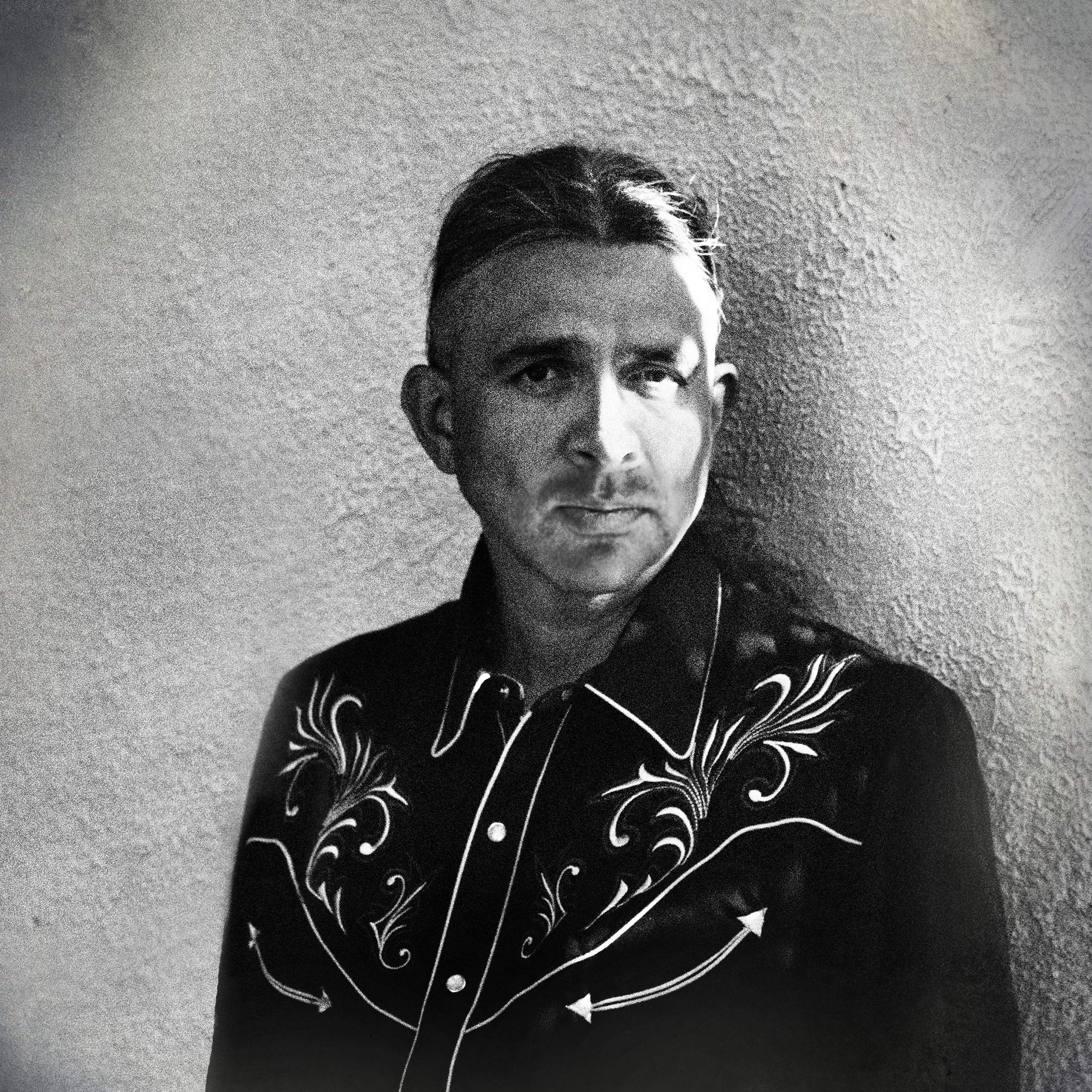
Gary Isaacs
Stephen Graham Jones is the New York Times bestselling author of The Only Good Indians, My Heart Is a Chainsaw, and I Was a Teenage Slasher. He has been an NEA fellowship recipient and a recipient of several awards including the Ray Bradbury Award from the Los Angeles Times, the Bram Stoker Award, the Shirley Jackson Award, the Jesse Jones Award for Best Work of Fiction from the Texas Institute of Letters, the Independent Publishers Award for Multicultural Fiction, and the Alex Award from American Library Association. He is the Ivena Baldwin Professor of English at the University of Colorado Boulder.
Product Details
- Publisher: S&S/Saga Press (October 13, 2026)
- Length: 416 pages
- ISBN13: 9781668225127
Browse Related Books
Resources and Downloads
High Resolution Images
-
Book Cover Image (jpg): Off the Reservation
Hardcover 9781668225127
-
Author Photo (jpg): Stephen Graham Jones Gary Isaacs(0.1 MB)
Any use of an author photo must include its respective photo credit