
Plus, receive recommendations and exclusive offers on all of your favorite books and authors from Simon & Schuster.
0:00 /
LIST PRICE $20.00
PRICE MAY VARY BY RETAILER
Get 20% off with code FALL26 plus free shipping on orders of $40 or more. Discount on physical products only. Terms apply.
Buy from Other Retailers
Table of Contents
About the Book
#1 New York Times bestseller, more than 1 million copies sold!
Winner of the 2025 Goodreads Choice Award for Best Fiction * A Fallon Book Club Pick * USA TODAY Best Books of the Year * NPR Best Books of the Year * Marie Claire 25 Best Novels of the Year * BookPage Best Fiction of the Year * Real Simple Best Books of the Year * Libby Audiobook of the Year
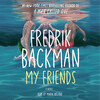
The #1 New York Times bestselling author of Anxious People returns with an unforgettably funny, deeply moving tale of four teenagers whose friendship creates a bond so powerful that it changes a complete stranger’s life twenty-five years later.
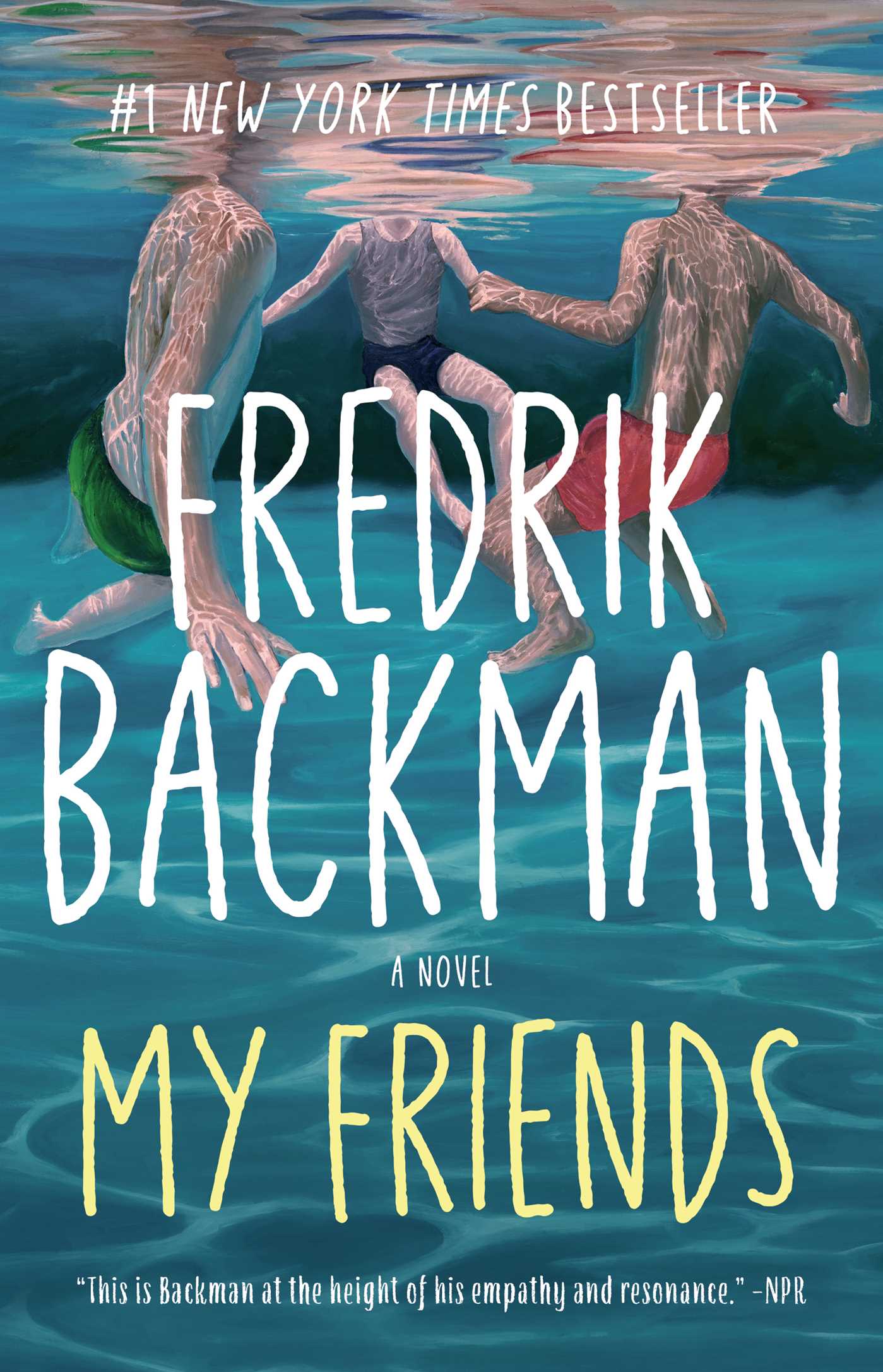
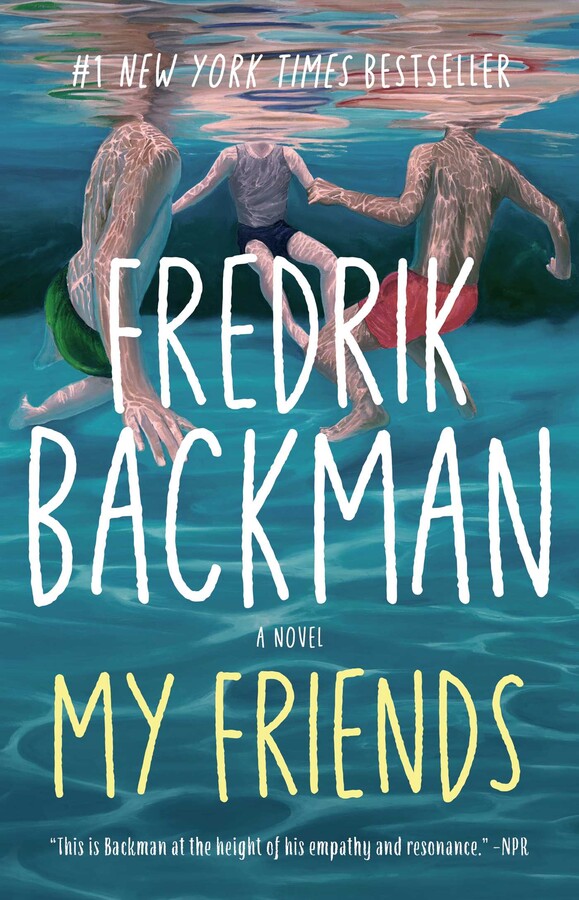
Most people don’t even notice them—three tiny figures sitting at the end of a long pier in the corner of one of the most famous paintings in the world. Most people think it’s just a depiction of the sea. But Louisa, an aspiring artist herself, knows otherwise, and she is determined to find out the story of these three enigmatic figures.
Twenty-five years earlier, in a distant seaside town, a group of teenagers find refuge from their bruising home lives by spending long summer days on an abandoned pier, telling silly jokes, sharing secrets, and committing small acts of rebellion. These lost souls find in each other a reason to get up each morning, a reason to dream, a reason to love.
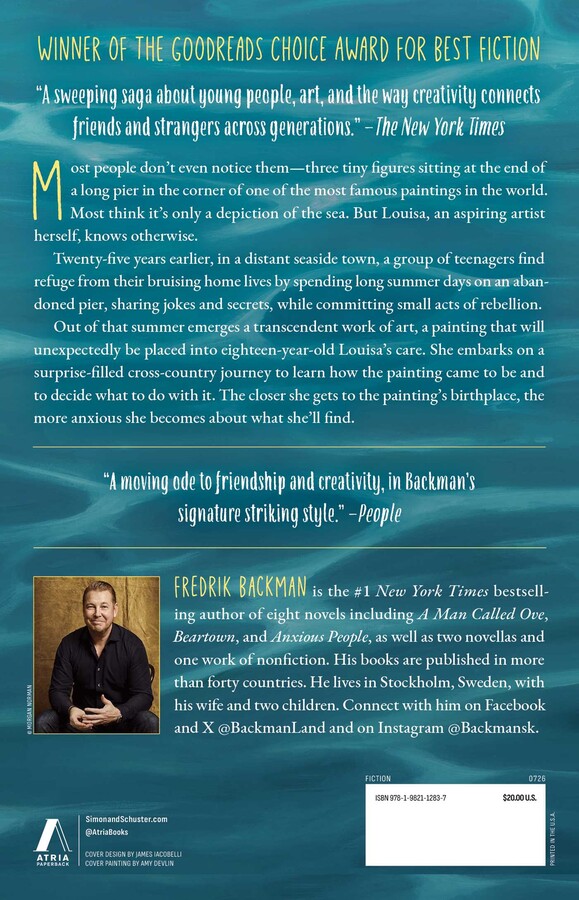
Out of that summer emerges a transcendent work of art, a painting that will unexpectedly be placed into eighteen-year-old Louisa’s care. She embarks on a surprise-filled cross-country journey to learn how the painting came to be and to decide what to do with it. The closer she gets to the painting’s birthplace, the more nervous she becomes about what she’ll find. Louisa is proof that happy endings don’t always take the form we expect in this stunning testament to the transformative, timeless power of friendship and art.
Winner of the 2025 Goodreads Choice Award for Best Fiction * A Fallon Book Club Pick * USA TODAY Best Books of the Year * NPR Best Books of the Year * Marie Claire 25 Best Novels of the Year * BookPage Best Fiction of the Year * Real Simple Best Books of the Year * Libby Audiobook of the Year
The #1 New York Times bestselling author of Anxious People returns with an unforgettably funny, deeply moving tale of four teenagers whose friendship creates a bond so powerful that it changes a complete stranger’s life twenty-five years later.
Most people don’t even notice them—three tiny figures sitting at the end of a long pier in the corner of one of the most famous paintings in the world. Most people think it’s just a depiction of the sea. But Louisa, an aspiring artist herself, knows otherwise, and she is determined to find out the story of these three enigmatic figures.
Twenty-five years earlier, in a distant seaside town, a group of teenagers find refuge from their bruising home lives by spending long summer days on an abandoned pier, telling silly jokes, sharing secrets, and committing small acts of rebellion. These lost souls find in each other a reason to get up each morning, a reason to dream, a reason to love.
Out of that summer emerges a transcendent work of art, a painting that will unexpectedly be placed into eighteen-year-old Louisa’s care. She embarks on a surprise-filled cross-country journey to learn how the painting came to be and to decide what to do with it. The closer she gets to the painting’s birthplace, the more nervous she becomes about what she’ll find. Louisa is proof that happy endings don’t always take the form we expect in this stunning testament to the transformative, timeless power of friendship and art.
Excerpt
Chapter One ONE
Louisa is a teenager, the best kind of human. The evidence for this is very simple: little children think teenagers are the best humans, and teenagers think teenagers are the best humans, the only people who don’t think that teenagers are the best humans are adults. Which is obviously because adults are the worst kind of humans.
It’s one of the last days before Easter. Very soon Louisa is going to be thrown out of an art auction for vandalizing a valuable painting. Old ladies will shriek and the police will come and it really wasn’t planned. Not to brag, but Louisa did have a perfect plan, it wasn’t the plan’s fault that she didn’t stick to it. Because sometimes Louisa is a genius, but sometimes she isn’t a genius, and the problem is that the genius and the non-genius share a brain. But the plan? Perfect.
The auction is one where extremely rich people go to buy ridiculously expensive art, so teenagers aren’t welcome there, especially not teenagers with backpacks full of cans of spray paint. Rich adults have seen far too much news about “activists” who break in and vandalize famous paintings, so for that reason the entrance is protected by security guards weighing three hundred pounds with zero ounces of humor. They’re the sort of guards who have so much muscle that they have muscles that don’t even have Latin names, because back when people spoke Latin, idiots as big as this didn’t even exist yet. But that shouldn’t have been a problem, because the plan was for Louisa to get in without the guards even noticing she was there. The only problem with the plan was that Louisa was the person who was going to carry it out. But it started well, it has to be said, because the building where the auction is being held is an old church. We know that because all the rich people at the auction keep saying to each other: “Did you know this is an old church?” Because rich people love reminding each other about how incredibly rich they are, so rich that they can buy things from God.
In a couple of days, at the start of Easter, obviously no one in the room will spare a thought for God, because then God won’t have anything interesting to sell to them. But the thing that’s so incredible about God is that God understands people’s needs, so there are always bathrooms in churches, so Louisa broke in through one of the bathroom windows, in full accordance with the plan. Her friend Fish taught her how to do that. Fish is the best at everything. For instance, the best at losing things, and the best at breaking things, but she is the best of all at breaking into things. And Louisa? She’s bad at pretty much everything, but good at being angry. Not to brag, but she’s actually world-class at that. And she’s particularly angry about rich people buying art, because rich people are the worst sort of adults, and the worst way to vandalize art is actually to put a damn price tag on it. That’s why rich adults hate the sort of thing that Louisa paints on the walls of buildings, not because they love walls, but because they hate the fact that there are beautiful things that are free.
So Louisa got in through the window with a backpack full of cans of spray paint and a perfect plan. When she tumbled onto the floor inside the bathroom, she stopped for a while and painted a very realistic portrait of the guards on the wall. A more shallow artist might have chosen to portray them as bulls, seeing as their necks were so thick it was impossible to tell where their heads began, but Louisa would never do that. Because she can see inside people, so she painted the guards as jellyfish. Because jellyfish, like guards, have neither backbones nor brains.
Then she put on a white dress shirt and snuck into the crowd.
It has to be said that Louisa hates many things about herself, but most of all her height and her weight. She’s wished for many things throughout her childhood, but perhaps none greater than to be smaller. She doesn’t like her body because there’s too much of it, she doesn’t like her voice because it’s too deep, she doesn’t like her brain because it always tells her to talk when she’s nervous. Most of all she doesn’t like her heart because it’s always nervous. Stupid, stupid heart.
Bearing all this in mind, you might of course think that someone ought to have noticed her when she stepped into the old church, but first you have to realize that rich adults hardly ever notice anything, apart from mirrors. There are expensive paintings hanging on all the walls, each masterpiece followed by an even grander one, but the room is full of people busily trying to see their hairstyles in the reflection of their Champagne glasses. One group of cheerful women are taking photographs, not of the art, but of each other. A group of serious men are talking about their favorite paintings, not as works of art, but as investments, as if they were framed banknotes. Then the men start talking about golf instead, and the women laugh loudly at something fantastic, because everything in their lives is the best, everyone is so wonderful, and isn’t it amazing that this building is an old church? Obviously none of them dares to actually talk about the paintings on the walls, they’re far too frightened of accidentally thinking the wrong thing, someone else needs to think something first so they can know what they’re allowed to love. One of the women returns from the bathroom and looks horrified, because someone has painted “graffiti” on the walls in there, the paint smelled and now the woman has a migraine.
“Graffiti? How awful! Vandalism!” one of the women exclaims, but one of the other women whispers:
“But… do you think the graffiti is part of the exhibition? Do you think it’s… art?”
Panic spreads through the group like pee in a tent. Because what if they’re wrong? The women hurry over to the men who are talking about golf to ask if it’s art. One of the men asks: “Is there a price tag?”
Then the women shake their heads and laugh. No price tag, no art, oh, what a relief! The men point at the walls and talk about investments again. When they talk about the very best investment in the whole church, they point at one painting and say, “The One of the Sea,” as if that’s all it is: blue and expensive.
Angry? Louisa can’t understand how she could possibly be anything else.
Around the men and women, waitstaff in white shirts circulate, serving hors d’oeuvres, because rich people love tiny food. Everything else should be big, except for taxes and sandwiches. No one looks the waitstaff in the eye, staff mean so little to rich adults that they don’t even react to the fact that one of them is carrying a backpack.
Louisa moves gently through the crowd, if you’ve always felt too big you get pretty good at not being in the way, so it isn’t until she catches sight of the painting she’s looking for that she suddenly starts to panic. Because it makes her so happy, she imagines everyone else there must be able to hear her stupid, stupid heart beating in her chest. But no one reacts. Not so strange, of course, because if you’re an adult, you’ve forgotten how that sounds.
The One of the Sea was painted by the world-famous artist “C. Jat.” It’s the most expensive painting in the whole auction, so everyone wants it, not for what it is, but because of its story. It is said to be the very first picture that C. Jat painted, at fourteen years old, a prodigy. That was how his career started. But the men talking about golf don’t care about that, they eagerly tell the women who are drinking Champagne that the picture, most of all, is such a “damn fine investment” because of other rumors altogether. Because the newspapers say that the artist is a drug addict, that he’s in such bad shape that he no longer goes out at all, so if the buyer is really lucky, he might die! Imagine what the painting would be worth then!
Everyone laughs. Louisa clenches her fists.
The painting is already expensive. So expensive, in fact, that there’s a velvet rope hanging in front of it. So incredibly special that if a poor person accidentally breathed too close to it, it might be offended. Next to the rope stands a small old woman draped in diamonds, looking very unhappy, which, in her defense, is probably the only way her face can look, seeing as it has had so much plastic surgery it looks like a sneaker that’s been tied too tightly.
“Here’s The One of the Sea!” she hisses unhappily to her husband, because the painting is smaller than she had imagined. Presumably the poor thing had imagined the sea being bigger.
Her husband, an old man with a watch the size of a grown turtle and pants so tight his butt looks like it has its own butt, doesn’t even look at the painting, he just reads the sign next to it to see the estimated auction price. He looks happy, because not just anyone can buy paintings like this, and that means the old man isn’t just anyone. The woman says it’s a shame that it isn’t orange, because they have a lot of orange furnishings in the summer house this year. She says this in a tone that suggests she is also irritated that ice cream isn’t more like pickles, or that doorknobs aren’t more like opera—as if it is rather rude of the world not to adapt to her every wish at all times.
“Perhaps we could put it in an orange frame, Charles?” she suggests, but the old man doesn’t answer, because his mouth is full of tiny sandwiches.
Louisa hates them all. The men who invest and the women who photograph, and the old woman who decorates and the old man who consumes. God, how she hates them. You have to know that, because otherwise you can’t understand what a painting can do to a person.
In her backpack Louisa has, apart from cans of spray paint, her passport and an old postcard which says, in very shaky handwriting: It’s so beautiful here, the sun shines every day. Miss you, see you soon. —Mom. You need to know that too, to understand that once Louisa has crept through the crowd and is finally standing by the rope in front of the painting that everyone else there thinks is of the sea, she is no longer standing in an old church. She isn’t alone. She isn’t even angry, not even with her friend Fish, who was so good at breaking into places but so bad at getting out again.
Once Fish and Louisa broke into a tattoo parlor in the middle of the night and they tattooed each other. Louisa drew a heart on Fish’s upper arm, and it was the most beautiful heart Fish had ever seen. Then Fish did a tattoo on Louisa’s lower arm, and it really was remarkably ugly, almost incomprehensibly hideous, because Fish was the best at almost everything, but terrible at drawing. It was a tattoo of a one-armed man in a tree, and Louisa has never loved any picture more. The first time she and Fish met, in a group foster home where no one dared to sleep, Fish had whispered jokes to her all night. Her favorite was: “How do you get a one-armed man down from a tree? You wave at him!”
No one could laugh at their own jokes the way Fish did, Louisa had never heard a better sound, or met a bigger person. Sometimes Fish broke into ice cream parlors at night, because there weren’t many things she liked more than ice cream, but more often she broke into paint shops, because Louisa needed cans of spray paint. One time she broke into a hardware shop because they needed screwdrivers, but a hundred times she broke into the back doors of movie theaters so they could sneak into late-night screenings, because there weren’t many things Louisa loved more than movies.
As seventeen-year-olds they would sleep next to each other almost every night in the foster home, with ice cream stains on their clothes and each other’s laughter in their lungs, a chest of drawers against the door, each clutching a screwdriver in case anyone tried to get in. You get used to so many strange things when you grow up without parents, you soon get so used to having one single person who you love that it’s impossible to shake the habit.
Louisa hurt, but Fish hurt more, Louisa hated reality, but Fish really couldn’t stand it. Louisa tried drugs a few times, but Fish couldn’t stop. Louisa was still seventeen when Fish turned eighteen and wasn’t allowed to stay at the foster home any longer. Fish promised Louisa that it would be all right, but Louisa was her only good person, and after enough nights apart, Fish found other types of people. She fled from reality, down into bottles, out into the fog. Adults always think they can protect children by stopping them from going to dangerous places, but every teenager knows that’s pointless, because the most dangerous place on earth is inside us. Fragile hearts break in palaces and in dark alleys alike.
Louisa has now been alone on the planet for three weeks, because that was when all the adults lied and said that Fish had committed suicide. It wasn’t true. No adult missed Fish when she died, no one does if you’re an orphan and grow up in ten different foster homes, it’s so easy then to just blame the fact that she took an overdose of pills. But Louisa knows the truth: Fish was murdered by reality. She was suffocated by the claustrophobia of being trapped on this planet, she died of being sad all the time.
You have to know all this about Louisa, otherwise you can’t understand what a painting can mean. That there is a speed at which a heart can beat that you can’t remember when you’ve stopped being young. There is art that can be so beautiful that it makes a teenager too big for her body. There is a sort of happiness so overwhelming that it is almost unbearable, your soul seems to kick its way through your bones. You can see a painting, and for a single moment of your life, just for a single breath, you can forget to be afraid. If you’ve ever experienced that, you know how it feels. If not, there probably isn’t any way to explain it.
Because it isn’t a painting of the sea. Only a damn adult would think that.
Louisa is a teenager, the best kind of human. The evidence for this is very simple: little children think teenagers are the best humans, and teenagers think teenagers are the best humans, the only people who don’t think that teenagers are the best humans are adults. Which is obviously because adults are the worst kind of humans.
It’s one of the last days before Easter. Very soon Louisa is going to be thrown out of an art auction for vandalizing a valuable painting. Old ladies will shriek and the police will come and it really wasn’t planned. Not to brag, but Louisa did have a perfect plan, it wasn’t the plan’s fault that she didn’t stick to it. Because sometimes Louisa is a genius, but sometimes she isn’t a genius, and the problem is that the genius and the non-genius share a brain. But the plan? Perfect.
The auction is one where extremely rich people go to buy ridiculously expensive art, so teenagers aren’t welcome there, especially not teenagers with backpacks full of cans of spray paint. Rich adults have seen far too much news about “activists” who break in and vandalize famous paintings, so for that reason the entrance is protected by security guards weighing three hundred pounds with zero ounces of humor. They’re the sort of guards who have so much muscle that they have muscles that don’t even have Latin names, because back when people spoke Latin, idiots as big as this didn’t even exist yet. But that shouldn’t have been a problem, because the plan was for Louisa to get in without the guards even noticing she was there. The only problem with the plan was that Louisa was the person who was going to carry it out. But it started well, it has to be said, because the building where the auction is being held is an old church. We know that because all the rich people at the auction keep saying to each other: “Did you know this is an old church?” Because rich people love reminding each other about how incredibly rich they are, so rich that they can buy things from God.
In a couple of days, at the start of Easter, obviously no one in the room will spare a thought for God, because then God won’t have anything interesting to sell to them. But the thing that’s so incredible about God is that God understands people’s needs, so there are always bathrooms in churches, so Louisa broke in through one of the bathroom windows, in full accordance with the plan. Her friend Fish taught her how to do that. Fish is the best at everything. For instance, the best at losing things, and the best at breaking things, but she is the best of all at breaking into things. And Louisa? She’s bad at pretty much everything, but good at being angry. Not to brag, but she’s actually world-class at that. And she’s particularly angry about rich people buying art, because rich people are the worst sort of adults, and the worst way to vandalize art is actually to put a damn price tag on it. That’s why rich adults hate the sort of thing that Louisa paints on the walls of buildings, not because they love walls, but because they hate the fact that there are beautiful things that are free.
So Louisa got in through the window with a backpack full of cans of spray paint and a perfect plan. When she tumbled onto the floor inside the bathroom, she stopped for a while and painted a very realistic portrait of the guards on the wall. A more shallow artist might have chosen to portray them as bulls, seeing as their necks were so thick it was impossible to tell where their heads began, but Louisa would never do that. Because she can see inside people, so she painted the guards as jellyfish. Because jellyfish, like guards, have neither backbones nor brains.
Then she put on a white dress shirt and snuck into the crowd.
It has to be said that Louisa hates many things about herself, but most of all her height and her weight. She’s wished for many things throughout her childhood, but perhaps none greater than to be smaller. She doesn’t like her body because there’s too much of it, she doesn’t like her voice because it’s too deep, she doesn’t like her brain because it always tells her to talk when she’s nervous. Most of all she doesn’t like her heart because it’s always nervous. Stupid, stupid heart.
Bearing all this in mind, you might of course think that someone ought to have noticed her when she stepped into the old church, but first you have to realize that rich adults hardly ever notice anything, apart from mirrors. There are expensive paintings hanging on all the walls, each masterpiece followed by an even grander one, but the room is full of people busily trying to see their hairstyles in the reflection of their Champagne glasses. One group of cheerful women are taking photographs, not of the art, but of each other. A group of serious men are talking about their favorite paintings, not as works of art, but as investments, as if they were framed banknotes. Then the men start talking about golf instead, and the women laugh loudly at something fantastic, because everything in their lives is the best, everyone is so wonderful, and isn’t it amazing that this building is an old church? Obviously none of them dares to actually talk about the paintings on the walls, they’re far too frightened of accidentally thinking the wrong thing, someone else needs to think something first so they can know what they’re allowed to love. One of the women returns from the bathroom and looks horrified, because someone has painted “graffiti” on the walls in there, the paint smelled and now the woman has a migraine.
“Graffiti? How awful! Vandalism!” one of the women exclaims, but one of the other women whispers:
“But… do you think the graffiti is part of the exhibition? Do you think it’s… art?”
Panic spreads through the group like pee in a tent. Because what if they’re wrong? The women hurry over to the men who are talking about golf to ask if it’s art. One of the men asks: “Is there a price tag?”
Then the women shake their heads and laugh. No price tag, no art, oh, what a relief! The men point at the walls and talk about investments again. When they talk about the very best investment in the whole church, they point at one painting and say, “The One of the Sea,” as if that’s all it is: blue and expensive.
Angry? Louisa can’t understand how she could possibly be anything else.
Around the men and women, waitstaff in white shirts circulate, serving hors d’oeuvres, because rich people love tiny food. Everything else should be big, except for taxes and sandwiches. No one looks the waitstaff in the eye, staff mean so little to rich adults that they don’t even react to the fact that one of them is carrying a backpack.
Louisa moves gently through the crowd, if you’ve always felt too big you get pretty good at not being in the way, so it isn’t until she catches sight of the painting she’s looking for that she suddenly starts to panic. Because it makes her so happy, she imagines everyone else there must be able to hear her stupid, stupid heart beating in her chest. But no one reacts. Not so strange, of course, because if you’re an adult, you’ve forgotten how that sounds.
The One of the Sea was painted by the world-famous artist “C. Jat.” It’s the most expensive painting in the whole auction, so everyone wants it, not for what it is, but because of its story. It is said to be the very first picture that C. Jat painted, at fourteen years old, a prodigy. That was how his career started. But the men talking about golf don’t care about that, they eagerly tell the women who are drinking Champagne that the picture, most of all, is such a “damn fine investment” because of other rumors altogether. Because the newspapers say that the artist is a drug addict, that he’s in such bad shape that he no longer goes out at all, so if the buyer is really lucky, he might die! Imagine what the painting would be worth then!
Everyone laughs. Louisa clenches her fists.
The painting is already expensive. So expensive, in fact, that there’s a velvet rope hanging in front of it. So incredibly special that if a poor person accidentally breathed too close to it, it might be offended. Next to the rope stands a small old woman draped in diamonds, looking very unhappy, which, in her defense, is probably the only way her face can look, seeing as it has had so much plastic surgery it looks like a sneaker that’s been tied too tightly.
“Here’s The One of the Sea!” she hisses unhappily to her husband, because the painting is smaller than she had imagined. Presumably the poor thing had imagined the sea being bigger.
Her husband, an old man with a watch the size of a grown turtle and pants so tight his butt looks like it has its own butt, doesn’t even look at the painting, he just reads the sign next to it to see the estimated auction price. He looks happy, because not just anyone can buy paintings like this, and that means the old man isn’t just anyone. The woman says it’s a shame that it isn’t orange, because they have a lot of orange furnishings in the summer house this year. She says this in a tone that suggests she is also irritated that ice cream isn’t more like pickles, or that doorknobs aren’t more like opera—as if it is rather rude of the world not to adapt to her every wish at all times.
“Perhaps we could put it in an orange frame, Charles?” she suggests, but the old man doesn’t answer, because his mouth is full of tiny sandwiches.
Louisa hates them all. The men who invest and the women who photograph, and the old woman who decorates and the old man who consumes. God, how she hates them. You have to know that, because otherwise you can’t understand what a painting can do to a person.
In her backpack Louisa has, apart from cans of spray paint, her passport and an old postcard which says, in very shaky handwriting: It’s so beautiful here, the sun shines every day. Miss you, see you soon. —Mom. You need to know that too, to understand that once Louisa has crept through the crowd and is finally standing by the rope in front of the painting that everyone else there thinks is of the sea, she is no longer standing in an old church. She isn’t alone. She isn’t even angry, not even with her friend Fish, who was so good at breaking into places but so bad at getting out again.
Once Fish and Louisa broke into a tattoo parlor in the middle of the night and they tattooed each other. Louisa drew a heart on Fish’s upper arm, and it was the most beautiful heart Fish had ever seen. Then Fish did a tattoo on Louisa’s lower arm, and it really was remarkably ugly, almost incomprehensibly hideous, because Fish was the best at almost everything, but terrible at drawing. It was a tattoo of a one-armed man in a tree, and Louisa has never loved any picture more. The first time she and Fish met, in a group foster home where no one dared to sleep, Fish had whispered jokes to her all night. Her favorite was: “How do you get a one-armed man down from a tree? You wave at him!”
No one could laugh at their own jokes the way Fish did, Louisa had never heard a better sound, or met a bigger person. Sometimes Fish broke into ice cream parlors at night, because there weren’t many things she liked more than ice cream, but more often she broke into paint shops, because Louisa needed cans of spray paint. One time she broke into a hardware shop because they needed screwdrivers, but a hundred times she broke into the back doors of movie theaters so they could sneak into late-night screenings, because there weren’t many things Louisa loved more than movies.
As seventeen-year-olds they would sleep next to each other almost every night in the foster home, with ice cream stains on their clothes and each other’s laughter in their lungs, a chest of drawers against the door, each clutching a screwdriver in case anyone tried to get in. You get used to so many strange things when you grow up without parents, you soon get so used to having one single person who you love that it’s impossible to shake the habit.
Louisa hurt, but Fish hurt more, Louisa hated reality, but Fish really couldn’t stand it. Louisa tried drugs a few times, but Fish couldn’t stop. Louisa was still seventeen when Fish turned eighteen and wasn’t allowed to stay at the foster home any longer. Fish promised Louisa that it would be all right, but Louisa was her only good person, and after enough nights apart, Fish found other types of people. She fled from reality, down into bottles, out into the fog. Adults always think they can protect children by stopping them from going to dangerous places, but every teenager knows that’s pointless, because the most dangerous place on earth is inside us. Fragile hearts break in palaces and in dark alleys alike.
Louisa has now been alone on the planet for three weeks, because that was when all the adults lied and said that Fish had committed suicide. It wasn’t true. No adult missed Fish when she died, no one does if you’re an orphan and grow up in ten different foster homes, it’s so easy then to just blame the fact that she took an overdose of pills. But Louisa knows the truth: Fish was murdered by reality. She was suffocated by the claustrophobia of being trapped on this planet, she died of being sad all the time.
You have to know all this about Louisa, otherwise you can’t understand what a painting can mean. That there is a speed at which a heart can beat that you can’t remember when you’ve stopped being young. There is art that can be so beautiful that it makes a teenager too big for her body. There is a sort of happiness so overwhelming that it is almost unbearable, your soul seems to kick its way through your bones. You can see a painting, and for a single moment of your life, just for a single breath, you can forget to be afraid. If you’ve ever experienced that, you know how it feels. If not, there probably isn’t any way to explain it.
Because it isn’t a painting of the sea. Only a damn adult would think that.
Reading Group Guide
Get a FREE ebook by joining our mailing list today! Plus, receive recommendations for your next Book Club read.
By clicking 'Sign me up' I agree to the Terms of Use and acknowledge the Privacy Policy and Notice of Financial Incentive. Free ebook offer available to NEW US subscribers only. Offer redeemable at Simon & Schuster's ebook fulfillment partner. Must redeem within 90 days. See full terms and conditions and this month's choices.
My Friends by Fredrik Backman
This reading group guide for MY FRIENDS includes an introduction, discussion questions, and ideas for enhancing your book club. The suggested questions are intended to help your reading group find new and interesting angles and topics for your discussion. We hope that these ideas will enrich your conversation and increase your enjoyment of the book.
Introduction
#1 New York Times bestselling author Fredrik Backman returns with an unforgettably funny, deeply moving tale of four teenagers whose friendship creates a bond so powerful that it changes a complete stranger’s life twenty-five years later.
Topics & Questions for Discussion
1. My Friends deals intimately with themes of friendship and loyalty, uniting characters who seem, from the outside, to be more different than alike. What is it that brings them together, and what does that say to you about the enduring power of human connection?
2. Was there a particular character that you identified with more than the others? Why?
3. The artist’s painting of the sea plays a pivotal role in the book, as it inspired the group of friends—and later Louisa—toward a common goal. Does art play a different role in the lives of young people than it does in adults? Do you think the painting’s significance changes as the friends grow older?
4. What do you think the pier in the painting might symbolize?
5. The setting of the story, a town by the sea, influences the atmosphere and character dynamics. How did the setting impact your experience of reading the book?
6. While being at times delightfully funny and lighthearted, My Friends also explores serious topics of loss, grief, and trauma. How did these topics, present from the very beginning, change your perspective of the individual characters as you got to know them?
7. In Chapter 28, Louisa says that her friend Fish read in a book that in Heaven you could choose a moment in life when you felt really good, and then you got to feel like that for all eternity. What would that moment be for you, and what does it say about Fish and Louisa that they are entranced by this idea?
8. Joar’s character is perhaps the one that changes the most over the course of the book. Were you surprised to meet him in the latter half of the book? Consider the ways he was different and the ways he was the same.
9. Family dynamics and upbringing greatly influence the personalities, values, and choices of Ted, Joar, Ali, and the artist. Discuss the role of inherited trauma in the lives of these characters. What do they gain and/or lose because of these legacies?
10. The themes of redemption and second chances are present throughout the book. How do these second chances ultimately play out and how do they help to tie up the narrative and character arcs in the book?
11. Fredrik Backman often uses humor and wit to navigate through darker moments in his novels. Discuss some of your favorite moments of humor in My Friends. How did they impact your reading experience?
12. Ted, Joar, Ali, and the artist could be considered a “chosen family.” How does the concept of home feature throughout the book? Do you think those ideas change as we get older?
13. In chapter 7, the artist thinks to himself, “You have to take [life] for granted. . . . That’s the only courageous thing a person can do.” What do you imagine he means by this?
14. When the artist is telling Ted about his meeting with Louisa in the alley, he says, “She’s one of us!” In what ways is Louisa similar to the artist and his group of childhood friends?
Enhance Your Book Club
1. Painting Session: Gather some supplies and have a painting or drawing session inspired by the painting, your favorite scenes, or the characters in the book.
2. Museum Outing: Visit a local museum or art gallery to discuss and explore the conversation between art and storytelling. Pick a piece of art and make up a backstory about it.
3. Beach Day: Organize a beach or waterside outing for your book club to accompany the discussion and pay particular reference to the setting of the book.
This reading group guide for MY FRIENDS includes an introduction, discussion questions, and ideas for enhancing your book club. The suggested questions are intended to help your reading group find new and interesting angles and topics for your discussion. We hope that these ideas will enrich your conversation and increase your enjoyment of the book.
Introduction
#1 New York Times bestselling author Fredrik Backman returns with an unforgettably funny, deeply moving tale of four teenagers whose friendship creates a bond so powerful that it changes a complete stranger’s life twenty-five years later.
Topics & Questions for Discussion
1. My Friends deals intimately with themes of friendship and loyalty, uniting characters who seem, from the outside, to be more different than alike. What is it that brings them together, and what does that say to you about the enduring power of human connection?
2. Was there a particular character that you identified with more than the others? Why?
3. The artist’s painting of the sea plays a pivotal role in the book, as it inspired the group of friends—and later Louisa—toward a common goal. Does art play a different role in the lives of young people than it does in adults? Do you think the painting’s significance changes as the friends grow older?
4. What do you think the pier in the painting might symbolize?
5. The setting of the story, a town by the sea, influences the atmosphere and character dynamics. How did the setting impact your experience of reading the book?
6. While being at times delightfully funny and lighthearted, My Friends also explores serious topics of loss, grief, and trauma. How did these topics, present from the very beginning, change your perspective of the individual characters as you got to know them?
7. In Chapter 28, Louisa says that her friend Fish read in a book that in Heaven you could choose a moment in life when you felt really good, and then you got to feel like that for all eternity. What would that moment be for you, and what does it say about Fish and Louisa that they are entranced by this idea?
8. Joar’s character is perhaps the one that changes the most over the course of the book. Were you surprised to meet him in the latter half of the book? Consider the ways he was different and the ways he was the same.
9. Family dynamics and upbringing greatly influence the personalities, values, and choices of Ted, Joar, Ali, and the artist. Discuss the role of inherited trauma in the lives of these characters. What do they gain and/or lose because of these legacies?
10. The themes of redemption and second chances are present throughout the book. How do these second chances ultimately play out and how do they help to tie up the narrative and character arcs in the book?
11. Fredrik Backman often uses humor and wit to navigate through darker moments in his novels. Discuss some of your favorite moments of humor in My Friends. How did they impact your reading experience?
12. Ted, Joar, Ali, and the artist could be considered a “chosen family.” How does the concept of home feature throughout the book? Do you think those ideas change as we get older?
13. In chapter 7, the artist thinks to himself, “You have to take [life] for granted. . . . That’s the only courageous thing a person can do.” What do you imagine he means by this?
14. When the artist is telling Ted about his meeting with Louisa in the alley, he says, “She’s one of us!” In what ways is Louisa similar to the artist and his group of childhood friends?
Enhance Your Book Club
1. Painting Session: Gather some supplies and have a painting or drawing session inspired by the painting, your favorite scenes, or the characters in the book.
2. Museum Outing: Visit a local museum or art gallery to discuss and explore the conversation between art and storytelling. Pick a piece of art and make up a backstory about it.
3. Beach Day: Organize a beach or waterside outing for your book club to accompany the discussion and pay particular reference to the setting of the book.
About the Author
Morgan Norman
Fredrik Backman is the #1 New York Times bestselling author of A Man Called Ove, My Grandmother Asked Me to Tell You She’s Sorry, Britt-Marie Was Here, Beartown, Us Against You, Anxious People, The Winners, and My Friends, as well as two novellas and one work of nonfiction. His books are published in more than forty countries. He lives in Stockholm, Sweden, with his wife and two children. Connect with him on Facebook and X @BackmanLand and on Instagram @Backmansk.
Product Details
- Publisher: Atria Books (July 21, 2026)
- Length: 448 pages
- ISBN13: 9781982112837
Browse Related Books
Raves and Reviews
“A sweeping saga about young people, art and the way creativity connects friends and strangers across generations. . . . If you’ve read A Man Called Ove, you know Backman can be depended on to show how small the world is, and how fragile. He does it again here, this time with Stand by Me vibes.” —The New York Times
“This is Fredrik Backman at the height of his empathy and resonance. . . I frequently paused to marvel at the way Backman captured the rebellion of joy, the ferocity of devotion, and the cruelty of indifference. Every Backman book should come with the warning that your heart will be split in two, but also, more importantly, with the assurance that it will be repaired with restored faith in the small miracles of being human.” —NPR, Favorite Fiction Reads of 2025
“[A] moving ode to friendship and creativity, in Backman’s signature striking style.” —People
“Irrepressible humor, boundless grief, and eternal loyalty coalesce in Backman’s tribute to youthful imagination and unfettered faith in art’s power to heal and nurture.” —Booklist (starred review)
“Humorous, poignant, and always life-affirming.” —Kirkus (starred review)
“In My Friends, Backman again pays tribute to the forces that make an ordinary life extraordinary. By focusing his tremendous empathy on the power of art and friendship, he has created a novel that celebrates the beauty of being alive.” —BookPage (starred review)
“Backman delivers a wistful story about the power of friendships. . . . The author is at the top of his game.” —Publisher’s Weekly
Awards and Honors
- ALA "The Reading List" Selection
Resources and Downloads
High Resolution Images
-
Book Cover Image (jpg): My Friends
Trade Paperback 9781982112837
-
Author Photo (jpg): Fredrik Backman Morgan Norman(0.1 MB)
Any use of an author photo must include its respective photo credit