Plus, receive recommendations and exclusive offers on all of your favorite books and authors from Simon & Schuster.
Published by Pegasus Books
Distributed by Simon & Schuster
LIST PRICE $29.95
PRICE MAY VARY BY RETAILER
Get 20% off with code FALL26 plus free shipping on orders of $40 or more. Discount on physical products only. Terms apply.
Buy from Other Retailers
Table of Contents
About the Book
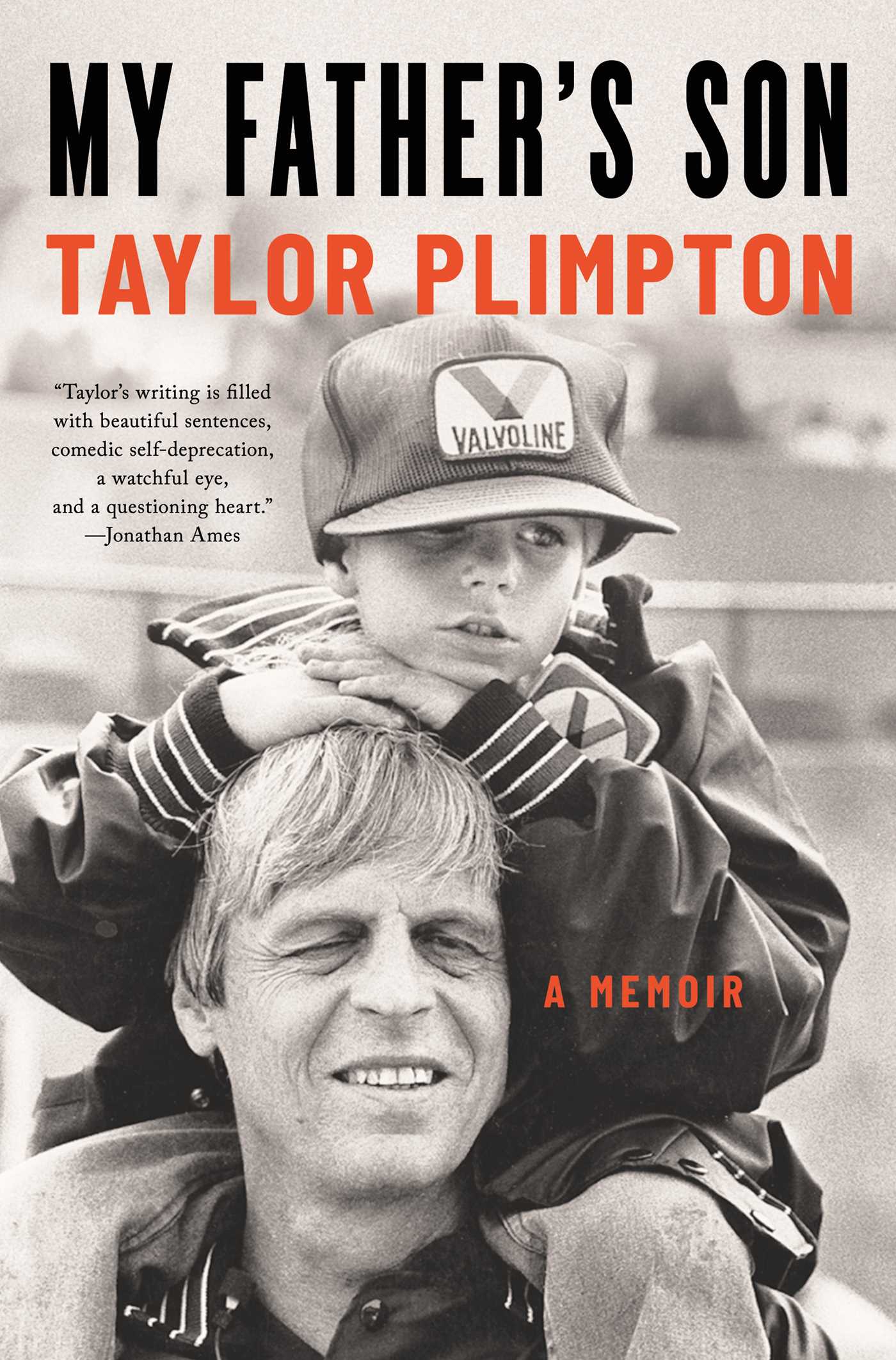
A humorous and big-hearted exploration of the author's relationship with his father, George Plimpton, who remains one of the most beloved figures in American letters.
In My Father’s Son, lauded memoirist Taylor Plimpton examines the whirlwind of coming-of-age with style, wit, and warmth. It’s not always so simple growing up in the shadow of a parent—perhaps especially when that parent happens to be a bestselling author, curator of one of the world’s great cultural institutions, an actor in several Oscar-winning films, and maybe the closest person we ever had to a real-life Forrest Gump: How can a son find his own place in the world with all that hanging over him? And perhaps even more relevant, how on earth is he supposed to write a book about a father who was a great literary master himself?
Fearlessly, My Father's Son cuts straight to the very center of the great love—and great struggle—inherent in every parent-child relationship. Along the way, Taylor offers glimpses into his own unusual life—from his childhood days of playing football with literary greats like Peter Matthiessen and James Salter to an adulthood that has included shooting his father’s ashes into the sky in a fireworks show—creating a prismatic narrative that still manages to capture the intimate yet universal theme of fathers and sons.
With refreshing honesty and keen insight, Taylor investigates not just his relationship with his famous father and his fiercely beautiful mother, but also his son, Ollie, a spirited young soul with the same delight in his eyes as the grandfather he never had a chance to meet. And now that he’s become a dad himself, the author is forced to grapple with more acute questions: How can he himself show up as a parent when his own parents were often absent? Can he become a good father even though his own father sometimes just wasn’t?
George Plimpton would have turned 100 on March 18th, 2027. Penned with deep love and yes, even a certain sense of awe, Plimpton's narrative is a celebration of one of the most extraordinary cultural icons in memory—though not only as a celebrity and literary figure, but as a father, and as a man. In this way, it offers a profoundly personal interrogation of essential matters all mothers and fathers inevitably wrestle with: What is it to be a good parent? And perhaps most crucially, can you somehow become a better parent to your child than your parents were to you?
In My Father’s Son, lauded memoirist Taylor Plimpton examines the whirlwind of coming-of-age with style, wit, and warmth. It’s not always so simple growing up in the shadow of a parent—perhaps especially when that parent happens to be a bestselling author, curator of one of the world’s great cultural institutions, an actor in several Oscar-winning films, and maybe the closest person we ever had to a real-life Forrest Gump: How can a son find his own place in the world with all that hanging over him? And perhaps even more relevant, how on earth is he supposed to write a book about a father who was a great literary master himself?
Fearlessly, My Father's Son cuts straight to the very center of the great love—and great struggle—inherent in every parent-child relationship. Along the way, Taylor offers glimpses into his own unusual life—from his childhood days of playing football with literary greats like Peter Matthiessen and James Salter to an adulthood that has included shooting his father’s ashes into the sky in a fireworks show—creating a prismatic narrative that still manages to capture the intimate yet universal theme of fathers and sons.
With refreshing honesty and keen insight, Taylor investigates not just his relationship with his famous father and his fiercely beautiful mother, but also his son, Ollie, a spirited young soul with the same delight in his eyes as the grandfather he never had a chance to meet. And now that he’s become a dad himself, the author is forced to grapple with more acute questions: How can he himself show up as a parent when his own parents were often absent? Can he become a good father even though his own father sometimes just wasn’t?
George Plimpton would have turned 100 on March 18th, 2027. Penned with deep love and yes, even a certain sense of awe, Plimpton's narrative is a celebration of one of the most extraordinary cultural icons in memory—though not only as a celebrity and literary figure, but as a father, and as a man. In this way, it offers a profoundly personal interrogation of essential matters all mothers and fathers inevitably wrestle with: What is it to be a good parent? And perhaps most crucially, can you somehow become a better parent to your child than your parents were to you?
Excerpt
From My Father's Son by Taylor Plimpton:
My father’s voice was odd not just in what it said, but in what it couldn’t. These are some of the things my father could not say: Shit. Fuck. I love you. Actually, that’s not quite true. I did hear my dad say shit once. We were out to dinner, and he was explaining the habits of some odd-ball bird he’d encountered on one of his adventures (he loved oddball birds, and would give us little wooden sculptures of them for Christmas), and when he used the word guano and it didn’t register and I gave him a questioning look, he said, sternly, “You know—shit.” The word came quick and short—indeed, no one has probably ever uttered the word quicker—and it sounded so strange coming from my dad’s proper lips that I thought perhaps I had misheard. “What?” I said. “Shit,” he repeated— “Guano…”
Before that night, his curses were never actually curse-words, though it was perhaps because of this that they held such weight. “Shoot!” he’d hiss, when he was mad. It was scary, because he was never mad, and to see this normally oblivious, benevolent white-haired figure of civility fill with pink steam, to hear that gentle voice that loved nothing more than to tell lighthearted stories and laugh suddenly shout-whisper, “Dammit” at some injustice on the other end of the telephone—it was unsettling, for sure. But looking back on it, it’s kinda funny, too, the fact he cursed like that. Hearing the words “Dammit, I’m mad as a hornet!” uttered in George Plimpton’s voice made anger sound totally ridiculous, which is exactly what it usually is. (My dad’s been dead near 25 years: not that he held many in his life, but what grudges could he possibly be holding on to now? What will you be mad about a quarter century after you’re gone?)
And so fuck was definitely out of the question, but what about I love you? Why was that so hard for him to say? There was love there, no doubt—actually, the fact he couldn’t express it made him sometimes positively brim with it—but speak the words his voice could not. At least, not to me, nor even to my sister, a fact she mentions in the documentary about him. You’d be on the phone with him and get to the end of the conversation and you’d say I love you, Dad, and at most, he’d reply, without subject or object, “Love,” quick and formal and uncomfortable, like he was signing a letter.
Of course, he came from a family where such endearments were not expressed, and phone conversations were curt. In fact, my dad’s farewells seemed loquacious in comparison to his mother’s. She would not even say goodbye. There you’d be, talking with her on the phone, and she’d say, “Well, tell him I called,” and you’d say, “OK Grandma, good to talk to you, I… Grandma?”
There was one more matter I never heard my dad discuss, that is, until I saw the documentary—the assassination of his dear friend, Bobby Kennedy. From what other people had told me, I knew a little bit about it—that my father (and mother) had been right there by Bobby’s side in California when he was shot, that my father had tackled Sirhan Sirhan to the ground, and wrestled the gun from his hand—but not a word of it came from my dad himself. In fact, the police deposition that the filmmakers managed to uncover may in fact be the only time my father ever spoke about the tragedy, publicly or privately, and it is truly one of the most harrowing and heartbreaking parts of the documentary. And it shed light on my father, too, to hear the great storyteller finally tell the one story he would not tell: it revealed something about his integrity as a journalist, and as a man.
Nevertheless, it’s a strange thing, that one of the great voices of modern storytelling had limitations, restrictions, words and phrases it was incapable of uttering, matters it could not express: Death, love, tragedy. It was almost like its very essence, that gentlemanly timbre, did not allow it to broach certain subjects. Sure, as a legendary raconteur and first-person nonfiction writer, my father was his voice—he was the story he told of himself. But I wonder a little bit if that was really the whole story. After all, a good narrative involves so much editing.
Perhaps it was, finally, the stories you couldn’t tell that defined you even more. The tragedies you could not express. The things you wish you could have said but never did. And that great, beautiful tension between what was in his heart, and what his voice allowed him to express, is the basic tension of language we all face, only heightened. My dad could never say what he felt, not really, and neither can any of us. It’s not putting a word to it that’s the problem, either—Plimpton was a genius at finding just the right word—it was about having the courage to say the things that you were afraid to say. For such admissions to escape my father’s lips, they always had to be a little removed, somehow.
“How’s your mom?” he’d always ask me. They were divorced at this point, and had been for a while, but they still talked, and visited every now and then, and they would sit out on my mom’s porch on Long Island and look out over the pond at the birds and tell each other stories and laugh till the tears came to their eyes—but he could not ask her this directly—“How are you, Freddy?” (I had the sense that when they spoke, if there was a serious question he would ask her, it was “How’s Taylor?”) Oh, there was such tenderness in him, and the fact he couldn’t express it, not directly, not really, well, it was the sweetest thing, I guess, heartbreaking, almost. After all, he had lost my mom, at least in part, because he had been unable to communicate with her, to show her how much he still loved her, because when it came to matters of the heart, that old gentleman’s voice was incapable of saying a word.
My father’s voice was odd not just in what it said, but in what it couldn’t. These are some of the things my father could not say: Shit. Fuck. I love you. Actually, that’s not quite true. I did hear my dad say shit once. We were out to dinner, and he was explaining the habits of some odd-ball bird he’d encountered on one of his adventures (he loved oddball birds, and would give us little wooden sculptures of them for Christmas), and when he used the word guano and it didn’t register and I gave him a questioning look, he said, sternly, “You know—shit.” The word came quick and short—indeed, no one has probably ever uttered the word quicker—and it sounded so strange coming from my dad’s proper lips that I thought perhaps I had misheard. “What?” I said. “Shit,” he repeated— “Guano…”
Before that night, his curses were never actually curse-words, though it was perhaps because of this that they held such weight. “Shoot!” he’d hiss, when he was mad. It was scary, because he was never mad, and to see this normally oblivious, benevolent white-haired figure of civility fill with pink steam, to hear that gentle voice that loved nothing more than to tell lighthearted stories and laugh suddenly shout-whisper, “Dammit” at some injustice on the other end of the telephone—it was unsettling, for sure. But looking back on it, it’s kinda funny, too, the fact he cursed like that. Hearing the words “Dammit, I’m mad as a hornet!” uttered in George Plimpton’s voice made anger sound totally ridiculous, which is exactly what it usually is. (My dad’s been dead near 25 years: not that he held many in his life, but what grudges could he possibly be holding on to now? What will you be mad about a quarter century after you’re gone?)
And so fuck was definitely out of the question, but what about I love you? Why was that so hard for him to say? There was love there, no doubt—actually, the fact he couldn’t express it made him sometimes positively brim with it—but speak the words his voice could not. At least, not to me, nor even to my sister, a fact she mentions in the documentary about him. You’d be on the phone with him and get to the end of the conversation and you’d say I love you, Dad, and at most, he’d reply, without subject or object, “Love,” quick and formal and uncomfortable, like he was signing a letter.
Of course, he came from a family where such endearments were not expressed, and phone conversations were curt. In fact, my dad’s farewells seemed loquacious in comparison to his mother’s. She would not even say goodbye. There you’d be, talking with her on the phone, and she’d say, “Well, tell him I called,” and you’d say, “OK Grandma, good to talk to you, I… Grandma?”
There was one more matter I never heard my dad discuss, that is, until I saw the documentary—the assassination of his dear friend, Bobby Kennedy. From what other people had told me, I knew a little bit about it—that my father (and mother) had been right there by Bobby’s side in California when he was shot, that my father had tackled Sirhan Sirhan to the ground, and wrestled the gun from his hand—but not a word of it came from my dad himself. In fact, the police deposition that the filmmakers managed to uncover may in fact be the only time my father ever spoke about the tragedy, publicly or privately, and it is truly one of the most harrowing and heartbreaking parts of the documentary. And it shed light on my father, too, to hear the great storyteller finally tell the one story he would not tell: it revealed something about his integrity as a journalist, and as a man.
Nevertheless, it’s a strange thing, that one of the great voices of modern storytelling had limitations, restrictions, words and phrases it was incapable of uttering, matters it could not express: Death, love, tragedy. It was almost like its very essence, that gentlemanly timbre, did not allow it to broach certain subjects. Sure, as a legendary raconteur and first-person nonfiction writer, my father was his voice—he was the story he told of himself. But I wonder a little bit if that was really the whole story. After all, a good narrative involves so much editing.
Perhaps it was, finally, the stories you couldn’t tell that defined you even more. The tragedies you could not express. The things you wish you could have said but never did. And that great, beautiful tension between what was in his heart, and what his voice allowed him to express, is the basic tension of language we all face, only heightened. My dad could never say what he felt, not really, and neither can any of us. It’s not putting a word to it that’s the problem, either—Plimpton was a genius at finding just the right word—it was about having the courage to say the things that you were afraid to say. For such admissions to escape my father’s lips, they always had to be a little removed, somehow.
“How’s your mom?” he’d always ask me. They were divorced at this point, and had been for a while, but they still talked, and visited every now and then, and they would sit out on my mom’s porch on Long Island and look out over the pond at the birds and tell each other stories and laugh till the tears came to their eyes—but he could not ask her this directly—“How are you, Freddy?” (I had the sense that when they spoke, if there was a serious question he would ask her, it was “How’s Taylor?”) Oh, there was such tenderness in him, and the fact he couldn’t express it, not directly, not really, well, it was the sweetest thing, I guess, heartbreaking, almost. After all, he had lost my mom, at least in part, because he had been unable to communicate with her, to show her how much he still loved her, because when it came to matters of the heart, that old gentleman’s voice was incapable of saying a word.
Product Details
- Publisher: Pegasus Books (March 2, 2027)
- Length: 384 pages
- ISBN13: 9798897102976
Browse Related Books
Raves and Reviews
Praise for Taylor Plimpton
"Transcending its subject matter, Plimpton's prose holds the reader with its odd wistful mix of naïveté and insight, honesty and generosity of spirit, graced throughout by the high quality of its unadorned writing—not obvious at first because it is simple, drawing no attention to itself. A real accomplishment."
– Peter Matthiessen
"Filled with beautiful sentences, comedic self-deprecation, a watchful eye, and a questioning heart."
– Jonathan Ames
"This clear-eyed, touching, irresistible account belongs somewhere in with Kerouac, Jay McInerney, and J.D. Salinger."
– James Salter
"Knight Errant Taylor Plimpton has written a very funny, insightful, honest, wistful and intensely personal book."
– Jay McInerney
Resources and Downloads
High Resolution Images
-
Book Cover Image (jpg): My Father's Son
Hardcover 9798897102976