
Plus, receive recommendations and exclusive offers on all of your favorite books and authors from Simon & Schuster.
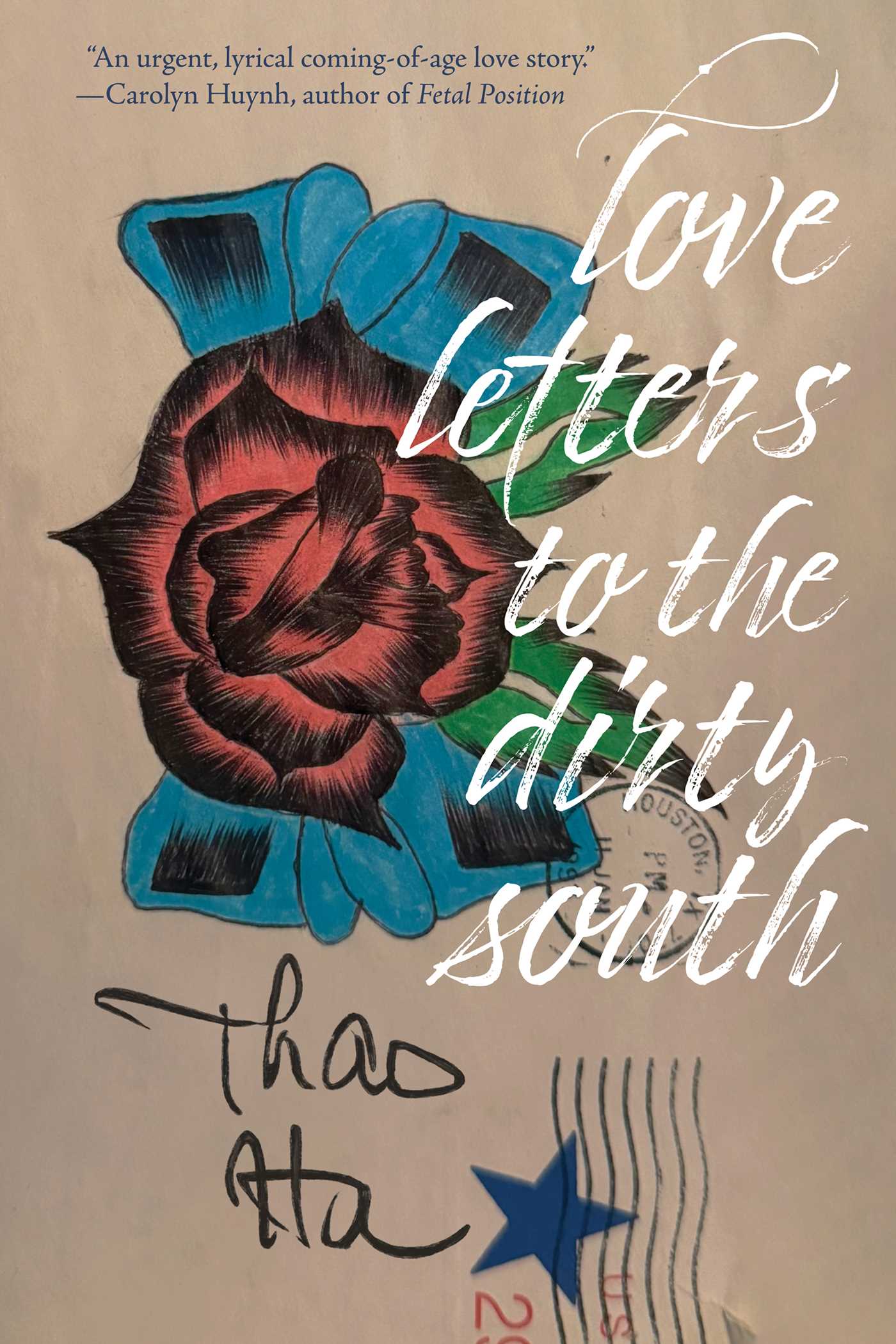
Love Letters to the Dirty South
By Thao Hà
Published by High Road Books
Distributed by Simon & Schuster
Table of Contents
About the Book
A stunning debut memoir about love, loss, and the Vietnamese immigrant experience in the American South.
As an infant, Thao Ha was evacuated on one of the last flights out of Saigon during the fall of the city in April 1975. Like the other lucky few—and the thousands who came after—she and her family found sanctuary in America. Raised in the growing Vietnamese community in Houston, she did all the things American kids of the ’80s and ’90s did—but she also ran with a Vietnamese street gang. By her early twenties she’d picked fights with other girls who threatened her sister, transported a fugitive across county lines, and been shot as a bystander in a pool-hall fracas turned violent. But the greatest shock came when her boyfriend, Vu, the love of her early life, took the rap for a drive-by shooting and went to prison for sixty years.
Enough was enough. Thao got serious about school and majored in sociology under the mentorship of an inspiring professor. She went on to earn a PhD and a tenured professorship at Mira Costa College in Oceanside, California.
But as William Faulkner said, “The past is never dead. It’s not even past.”
The decades of her professional success brought marriages, divorces, failed relationships, and family trauma. But one person stayed with her through it all. Like a still-small flame far out on the landscape, the figure of Vu was somehow always with her. Sentenced to sixty years, Vu was locked up in the infamous Beto Unit, the most violent maximum-security prison in Texas. Nicknamed “the gladiator unit,” it is a place where inmates must be prepared to fight for status and for their very survival. Nearly twenty years into his sentence, Thao and Vu reconnected.
Three years after that, he was dead.
Love Letters to the Dirty South is a memoir about what it means to love, long for, and lose someone incarcerated. A testament to lifelong love, it is also an unflinching depiction of prison culture, a loving portrait of family life in the Vietnamese diaspora community, and a counternarrative to the typical immigrant’s story. As a Vietnamese refugee and sociologist, Thao Ha deftly explores refugee trauma, mass incarceration, and prison injustice, and she shows how unconditional love attempts to navigate, resist, and thwart a dehumanizing system. In this stunning debut, she tells her story of reckless youth, love reclaimed and tragically lost, and the power of words to transcend boundaries with unflinching honesty, insight, and conviction.
As an infant, Thao Ha was evacuated on one of the last flights out of Saigon during the fall of the city in April 1975. Like the other lucky few—and the thousands who came after—she and her family found sanctuary in America. Raised in the growing Vietnamese community in Houston, she did all the things American kids of the ’80s and ’90s did—but she also ran with a Vietnamese street gang. By her early twenties she’d picked fights with other girls who threatened her sister, transported a fugitive across county lines, and been shot as a bystander in a pool-hall fracas turned violent. But the greatest shock came when her boyfriend, Vu, the love of her early life, took the rap for a drive-by shooting and went to prison for sixty years.
Enough was enough. Thao got serious about school and majored in sociology under the mentorship of an inspiring professor. She went on to earn a PhD and a tenured professorship at Mira Costa College in Oceanside, California.
But as William Faulkner said, “The past is never dead. It’s not even past.”
The decades of her professional success brought marriages, divorces, failed relationships, and family trauma. But one person stayed with her through it all. Like a still-small flame far out on the landscape, the figure of Vu was somehow always with her. Sentenced to sixty years, Vu was locked up in the infamous Beto Unit, the most violent maximum-security prison in Texas. Nicknamed “the gladiator unit,” it is a place where inmates must be prepared to fight for status and for their very survival. Nearly twenty years into his sentence, Thao and Vu reconnected.
Three years after that, he was dead.
Love Letters to the Dirty South is a memoir about what it means to love, long for, and lose someone incarcerated. A testament to lifelong love, it is also an unflinching depiction of prison culture, a loving portrait of family life in the Vietnamese diaspora community, and a counternarrative to the typical immigrant’s story. As a Vietnamese refugee and sociologist, Thao Ha deftly explores refugee trauma, mass incarceration, and prison injustice, and she shows how unconditional love attempts to navigate, resist, and thwart a dehumanizing system. In this stunning debut, she tells her story of reckless youth, love reclaimed and tragically lost, and the power of words to transcend boundaries with unflinching honesty, insight, and conviction.
Excerpt
Chapter 1
The Dirty Yellow South
My first love, Vu, once told me, “We don’t get to choose the war, only the wounds we carry from it.” Vu and I fell in love when we were barely adults, coming of age in a country that expected Vietnamese refugees to be grateful, to keep our heads down, and to survive without making a sound. But we were rowdy, unruly, and reckless. Houston heat bore us down, the air was thick with cigarette smoke, and our mothers’ commanding voices trailed behind us as we both ran wild because it was the only kind of freedom we knew. When we bled or made others bleed, it conferred honor because it was some kind of twisted proof we had control over our own lives. Then Vu got locked up and became a ghost in the system. Almost two decades later, we reunited through the mail. His ID was a six-digit number on a prison roster, his perfect penmanship was on college-ruled paper, and his sweet, raspy voice came through a staticky phone. I had dreams of pressing my palm to the plexiglass, seeing his full lips smirking flirtatiously and his milky smooth skin glowing, imagining I could still touch the boy I once loved before the prison system swallowed him whole.
We met on a warm September night in 1992, the kind of night that carried the quiet buzz of summer slipping away. Looking back, I see it for what it was—a lesson in how love can burn fast and fleeting yet carve itself so deep it never really leaves. It happened at Fu Kim, a dim sum joint by day and an after-hours karaoke bar by night. Inside, the air was filled with cigarette smoke and street war stories. The Park Place Boyz, a Houston Vietnamese gang straight from the cracked asphalt of the inner city, greeted me with slow, deliberate nods. Not out of politeness, but respect, a currency I carried by blood. My dad’s youngest brother was their leader. Across the room, the Southwest crew spread out like a kingdom of mythical creatures. Another nod, another unspoken gesture of recognition. I dated one of their guys who had once run underground gambling dens for the Flying Dragons, a notorious Chinese gang from New York City.
I was small, barely above five feet tall, but power isn’t always in size. It’s in the way you hold yourself, in the names stitched to your history, in the way no one asks twice when you walk through the door.
My sister’s boyfriend, Doughboy, greeted us at the door and led us through the haze to our crew—the North Chink Posse (NCP). We were three tables deep, each table littered with emerald Heineken bottles sweating on to the plastic tabletops, ashtrays spilling over like offerings to the ancestors. Doughboy introduced us to a few new faces, and that’s when I saw him. Vu. I felt it the moment his eyes found mine. It was a slow pull, like a song I already knew. His coy smile, so at odds with his bad-boy swagger, held my gaze. Thick, dark hair framed his face. His bangs fell over his eyes just enough to make you want to brush them back. His skin was smooth and pale in the low light, like something untouched. His eyes were bright, full of mischief, and his broad shoulders filled out his white V-neck T-shirt in all the right ways. But it was his lips I couldn’t stop looking at. They were full, almost too pretty, made even more dangerous by the lit Marlboro Red dangling lazily from them. The orange ember glowed with a slow burn, and my insides did the same.
I smirked, and he caught it. His boys noticed, too, their laughter curling through the smoke, nudging at the space between us. The one next to him, Rooster, grinned, then stood, flashing a quick hand signal for me to take his seat. I slid in, close enough to catch the scent of cologne clinging to his shirt. We made small talk, learning bits and pieces about each other. His family was from the neighborhood of Granada on the north side of Houston, while I lived in South Belt on the opposite end of the city. He dropped out of high school, and I was a freshman in college. I was into sports; he was into sports betting. On paper, we had little in common, but none of that seemed to matter. By the end of the night, we had traded two serenades and a slow dance, our bodies folding into the music, swaying under the amber haze of the last-call song. The kind of song that lingers in the bones, that makes you forget what came before and what waits after. When the lights came up, reality flickered back in, but it was too late. I was already his, caught in the quiet gravity of something I didn’t have a name for yet.
The Dirty Yellow South
My first love, Vu, once told me, “We don’t get to choose the war, only the wounds we carry from it.” Vu and I fell in love when we were barely adults, coming of age in a country that expected Vietnamese refugees to be grateful, to keep our heads down, and to survive without making a sound. But we were rowdy, unruly, and reckless. Houston heat bore us down, the air was thick with cigarette smoke, and our mothers’ commanding voices trailed behind us as we both ran wild because it was the only kind of freedom we knew. When we bled or made others bleed, it conferred honor because it was some kind of twisted proof we had control over our own lives. Then Vu got locked up and became a ghost in the system. Almost two decades later, we reunited through the mail. His ID was a six-digit number on a prison roster, his perfect penmanship was on college-ruled paper, and his sweet, raspy voice came through a staticky phone. I had dreams of pressing my palm to the plexiglass, seeing his full lips smirking flirtatiously and his milky smooth skin glowing, imagining I could still touch the boy I once loved before the prison system swallowed him whole.
We met on a warm September night in 1992, the kind of night that carried the quiet buzz of summer slipping away. Looking back, I see it for what it was—a lesson in how love can burn fast and fleeting yet carve itself so deep it never really leaves. It happened at Fu Kim, a dim sum joint by day and an after-hours karaoke bar by night. Inside, the air was filled with cigarette smoke and street war stories. The Park Place Boyz, a Houston Vietnamese gang straight from the cracked asphalt of the inner city, greeted me with slow, deliberate nods. Not out of politeness, but respect, a currency I carried by blood. My dad’s youngest brother was their leader. Across the room, the Southwest crew spread out like a kingdom of mythical creatures. Another nod, another unspoken gesture of recognition. I dated one of their guys who had once run underground gambling dens for the Flying Dragons, a notorious Chinese gang from New York City.
I was small, barely above five feet tall, but power isn’t always in size. It’s in the way you hold yourself, in the names stitched to your history, in the way no one asks twice when you walk through the door.
My sister’s boyfriend, Doughboy, greeted us at the door and led us through the haze to our crew—the North Chink Posse (NCP). We were three tables deep, each table littered with emerald Heineken bottles sweating on to the plastic tabletops, ashtrays spilling over like offerings to the ancestors. Doughboy introduced us to a few new faces, and that’s when I saw him. Vu. I felt it the moment his eyes found mine. It was a slow pull, like a song I already knew. His coy smile, so at odds with his bad-boy swagger, held my gaze. Thick, dark hair framed his face. His bangs fell over his eyes just enough to make you want to brush them back. His skin was smooth and pale in the low light, like something untouched. His eyes were bright, full of mischief, and his broad shoulders filled out his white V-neck T-shirt in all the right ways. But it was his lips I couldn’t stop looking at. They were full, almost too pretty, made even more dangerous by the lit Marlboro Red dangling lazily from them. The orange ember glowed with a slow burn, and my insides did the same.
I smirked, and he caught it. His boys noticed, too, their laughter curling through the smoke, nudging at the space between us. The one next to him, Rooster, grinned, then stood, flashing a quick hand signal for me to take his seat. I slid in, close enough to catch the scent of cologne clinging to his shirt. We made small talk, learning bits and pieces about each other. His family was from the neighborhood of Granada on the north side of Houston, while I lived in South Belt on the opposite end of the city. He dropped out of high school, and I was a freshman in college. I was into sports; he was into sports betting. On paper, we had little in common, but none of that seemed to matter. By the end of the night, we had traded two serenades and a slow dance, our bodies folding into the music, swaying under the amber haze of the last-call song. The kind of song that lingers in the bones, that makes you forget what came before and what waits after. When the lights came up, reality flickered back in, but it was too late. I was already his, caught in the quiet gravity of something I didn’t have a name for yet.
About the Author
Thao Hà is a professor at MiraCosta College. She earned a doctorate in sociology from the University of Texas at Austin and has published in the areas of race, immigration, and Vietnamese American experiences in the South. She was an advisor and associate producer of Seadrift, a 2019 documentary about racial violence and KKK intimidation in the 1970s against Vietnamese Americans in a small Texas fishing town. She serves as board president of the Vietnamese American Arts and Letters Association, executive director of Collective Freedom, and board chair of the Doan Foundation for the Arts. She lives in Oceanside, California.
Product Details
- Publisher: High Road Books (October 6, 2026)
- Length: 264 pages
- ISBN13: 9780826370174
Browse Related Books
Raves and Reviews
"An elegiac love story and meditation on prison advocacy, Love Letters to the Dirty South is a perceptive memoir about a Vietnamese daughter’s love and loss."
– Foreword Reviews
"A book that brims with empathy toward often-overlooked communities, including refugees, people of color, the incarcerated, and those who love them. This poignant memoir deserves a place in every library collection."
– Library Journal, Starred Review
“Thao Ha has written a miracle of a memoir about love in the time of mass incarceration. She writes with artistry and wisdom about growing up as a refugee, finding a community in Houston’s Little Saigon, and struggling to overcome gang violence. Most of all, she crafts a tender portrait of the remarkable man she found, lost, and found again: Hoang Vu Tran. Ha loses Vu, as his loved ones call him, when he is sentenced to sixty years in prison for aggravated assault, and when she in turn survives a gunshot wound in a pool hall. But, twenty years later, they reconnect in an unforgettable series of letters. Both Ha and Vu are exceptional writers, and their correspondence captures a love story for the ages. Ha’s memoir is as dramatic as any Hollywood film, and as devastating as anything I’ve read lately. To borrow one of Ha’s own memorable phrases, her book is ‘a luminous tragedy.’ It is also a triumph.”
– Daniel A. Gross, story editor, The New Yorker
“An urgent, lyrical coming-of-age love story that not only spans decades, but also walls. A humanizing ode to those who create their own light when facing carceral injustice.”
– Carolyn Huynh, author of Fetal Position and The Fortunes of Jaded Women
“Raw and poetic, Love Letters to the Dirty South is unlike any other story you’ve read before. More than a love story, it is a compassionate polemic against social injustice and a revelatory coming-of-age memoir that will stay with you long after you’ve closed its pages.”
– Eric Nguyen, author of Things We Lost to the Water
“A necessary counterpoint to the model minority myth and a beautiful, deeply felt exploration of young love as it survives the harshness of life and becomes a bond that transcends time, distance, and even death.”
– Thi Bui, award-winning author of The Best We Could Do
“This memorable book chronicles the strength of immigrant families and the plight of a prison population, the broken hopes, the turning locks, the steadfast spirits.”
– Laura Kalpakian, author of Undesirable: The Vietnam War and a Father’s Battle for Justice
“Thao’s story is not just a great American story but a great human story filled with heartbreak, resiliency, and most importantly, deep love. Her Homeric tale and relationship with Vu is evidence that a broken heart never fully heals, and because of that, it is always open.”
– Bao Nguyen, director of The Greatest Night in Pop
“Filled with hard-earned wisdom, Thao’s coming-of-age story is an invitation to love and be loved. Refugee life, youthhood, love, loss, and grief are recognizable and heartbreaking ingredients that make for a dope read. I hold her familiar and courageous story close to my heart, as it reminds me of life’s fragile miracles.”
– Lac Su, author of I Love Yous Are For White People
“Moving, electrifying, and unforgettable, Love Letters to the Dirty South leaves me breathless, devastated, and inspired. Thao Ha is a talented writer whose voice is a healing gift to our broken world.”
– Nguyen Phan Que Mai, author of The Mountains Sing: A Novel
Resources and Downloads
High Resolution Images
-
Book Cover Image (jpg): Love Letters to the Dirty South
Hardcover 9780826370174
-
Author Photo (jpg): Thao Hà
(0.1 MB)
Any use of an author photo must include its respective photo credit