Plus, receive recommendations and exclusive offers on all of your favorite books and authors from Simon & Schuster.
Published by Whittles Publishing
Distributed by Simon & Schuster
LIST PRICE $24.95
PRICE MAY VARY BY RETAILER
Get 25% off with code GIFT26 plus free shipping on orders of $40 or more. Discount on physical products only. Terms apply.
Buy from Other Retailers
Table of Contents
About the Book
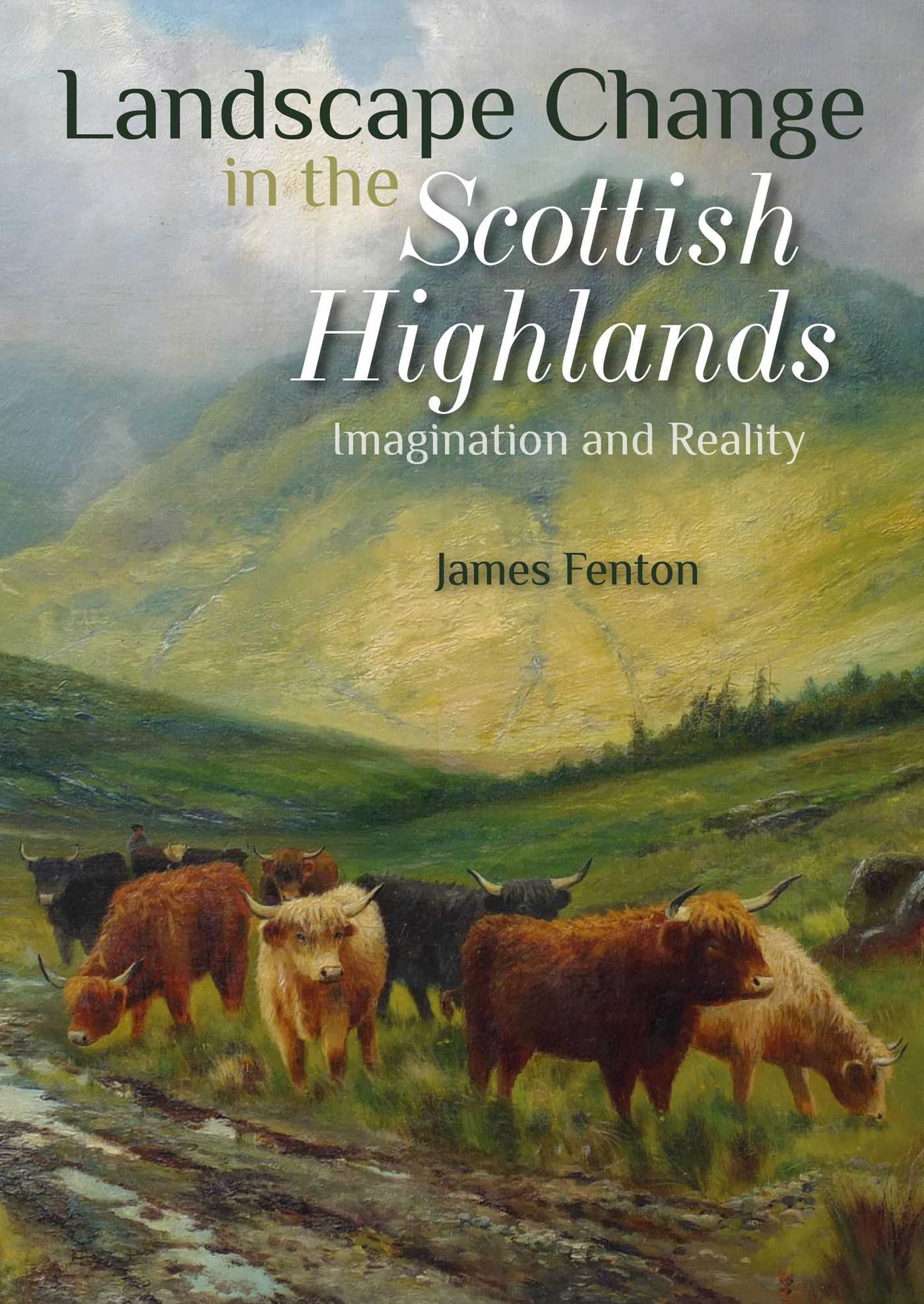
The Scottish Highlands have a strong appeal to the public imagination. Indeed, as a result of the writings of Sir Walter Scott, they are now symbolic of Scotland as a whole: a land of mountains, glens and lochs, of golden eagles and red deer; a land with a rich cultural history of clans and clanship, of kilts and castles, of crofts, crofting, Highland cows and sheep, of music and dance. But does this imagined landscape relate to the actuality? Is it in fact a wild landscape which has escaped the pressures of the modern world, or does such untrammelled wildness only reside in the mind?
The aim of this book is to answer this last question by taking an objective look at the history of the Highland landscape, how it has changed over the centuries and how it is still changing.It challenges the view that the Highlands are a landscape damaged by centuries of overgrazing and human exploitation. Instead it points out that the evidence suggests that the traditional unwooded Highland landscape of open hill and moor is one of the most natural remaining in northwest Europe, showing only minimal signs of human impact over the millennia; apart, that is, from the areas of human settlement.
It is not only reforesting and peatland restoration which is destroying the naturalness of the Highland landscape, but also the continuing encroachment of infrastructure, whether hill tracks, wind turbines, dams, phone masts, ski development, fences, and commercial forestry plantations. Why can we not just let the hills be? After all, this is how they were for thousands of years until landownership entered the Highlands following the Battle of Culloden.
Author hometown: Oban
Product Details
- Publisher: Whittles Publishing (March 5, 2024)
- Length: 192 pages
- ISBN13: 9781849955515
Browse Related Books
Resources and Downloads
High Resolution Images
-
Book Cover Image (jpg): Landscape Change in the Scottish Highlands
Trade Paperback 9781849955515