
Plus, receive recommendations and exclusive offers on all of your favorite books and authors from Simon & Schuster.
0:00 /
LIST PRICE $29.00
PRICE MAY VARY BY RETAILER
Get 20% off with code JULY20 plus free shipping on orders of $40 or more. Discount on physical products only. Terms apply.
Buy from Other Retailers
Table of Contents
Featured Content
Read an Excerpt
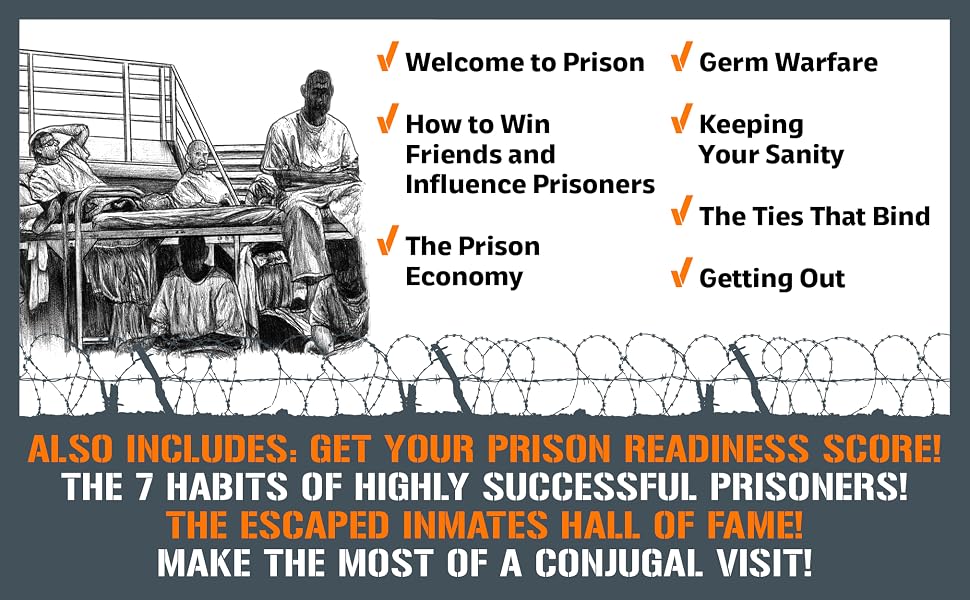
YOUR PRISON READINESS SCORE
Let’s say you haven’t yet done something dumb enough to land your ass in prison. Maybe you’re weighing the pros and cons of an attractive scam and wondering if you have the bones to survive the consequences if shit goes sideways. Or maybe you got lucky enough to be sprung out of county on bail and you’re reading this before your case goes to trial. Do you have what it takes to make it in a dangerous environment filled with legitimately lawless individuals? Let me ask you a few questions:
1. DO YOU KNOW HOW TO FIGHT?
Have you trained in boxing, karate, or wrestling? Many of us have gone through some, if not all, of these types of training as kids, especially the boys. Maybe you didn’t grow up in that kind of house, but you did grow up in a situation where you needed to learn how to defend yourself, whether from bullies, abusive parents, or siblings. In prison, either one of these scenarios may turn out to save your life.
There was a point in my life when I used to regularly walk into a seedy, crowded park in Hollywood and look for fights. It wasn’t hard to do. I’d simply make a beeline across the basketball court where the brothers were playing while wearing a bandana and displaying all my ink. It took only seconds before I’d get called out. Since my normal response was something on the order of “Fuck you, bitch!” the formula resulted in an almost immediate fight.
At the time you could have called this my therapy—and like a good patient I came back for a session every couple of weeks. In fact, my visits were so regular that as soon as I appeared, bystanders would begin placing bets on the outcome. Those who’d seen me before would usually just back away, but there was always one young buck who’d step up to my challenge.
I don’t recommend any of this, but it did set me up for success on the inside. It is almost a certainty in prison that someone will challenge you at some point and that you will be forced to defend yourself, whether you like it or not. Back down from a fight and you’ll be labeled a coward or punk, making yourself the target of lots of other abuses in the future.
SCORE YOURSELF
No fighting training or experience = 0 points; some training = 1 point; some experience = 2 points; solid fighting experience = 3 points
2. HAVE YOU EVER BEEN IN A KNIFE FIGHT?
Using a knife to cut a steak or even skin a deer is very different from using a knife in self-defense. When it comes down to it, do you think you have what it takes to stab the point of a knife into the flesh of another human being? The first time can be extremely unnerving. But in a situation where the choice is to stab or be stabbed, the decision becomes much easier to make. The somewhat good news is that once you get past that first incident, you will be far better prepared for when it happens next.
SCORE YOURSELF
Never handled a knife as a weapon = 0 points; carried a knife for protection = 1 point; been threatened with a knife = 2 points; been in a knife fight = 3 points
3. DO YOU KNOW HOW TO RESIST PRESSURE FROM OTHER CONVICTS?
Being able to say no is vital to getting through prison. People will try to bring you into their politics and drama, recruit you into their gang, or even use you to do their dirty work. Back when I was a young buck in Calipatria State Prison, there was one incident where a white gang “asked” a newbie to bring in drugs through the visiting room. This guy lived in the same building as I did and was as fresh as they come. He buckled and agreed to do their bidding, but I wasn’t having it. The kid was serving his first sentence—eighteen months for auto theft. The last thing he needed was to get busted trafficking drugs and catch a new case. So I approached the leader of the gang and told him that the kid was off-limits—he was already working for me. This wasn’t technically true, but it was believable since I occasionally acted as a go-between for dealers and their customers. The situation created a bit of tension between me and the gang, but they backed off after accepting some weed as payment.
It’s not often that someone like me will step in and help you out of a nasty predicament, so don’t take the wrong lesson away from that little ditty. A lot of newbies may be pressured to become a mule or join a gang. Being able to stand tall and resist these pressures will benefit you throughout your entire stay in the clink. If you can hold your own, people will notice and understand that you are not someone who can be taken advantage of easily.
SCORE YOURSELF
Easily pressured = 0 points; can say no sometimes = 1 point; usually stand my ground = 2 points; never cave to pressure = 3 points
4. DO YOU POSSESS ANY SKILLS THAT MIGHT ALLOW YOU TO AVOID THE POLITICS OF PRISON?
Are you an educated person who has skills that can benefit your neighbors? Perhaps you were an attorney or otherwise involved in the legal system on the outside? If so, you may possess a talent that could be useful in prison.
While it is unlikely that you will wind up in a Shawshank Redemptionsituation where you’re cooking the books and laundering money for the head warden, your skills might help you avoid a lot of the politics and coast through your prison experience.
SCORE YOURSELF
No useful skills = 0 points; basic practical skills = 1 point; professional skills = 2 points; high-value skills (legal, medical, etc.) = 3 points
5. DO YOU HAVE THE GIFT OF GAB?
If so, you may be able to talk your way out of some drama, but understand that humor or the ability to capture an audience will get you only so far. If someone feels you have seriously disrespected them, nothing is going to deter them from wanting to either fight or stab you.
Some inmates with a flair for storytelling will try coming up with an intimidating backstory. That approach has its limits. The tougher you act, the tougher those around you will expect you to be. You can portray yourself to be anyone you want to be, but if you’re faking it, you will eventually run into someone who’ll call your bluff. I have seen convicts take credit for crimes perpetrated by others. Their deception worked for a while, but eventually someone would show up to the yard with some knowledge of the events in question. The bluff was called and the jailbirds were exposed as impostors—and that didn’t turn out very well for them.
SCORE YOURSELF
Awkward or shy = 0 points; can hold a conversation = 1 point; good talker = 2 points; can talk my way out of anything = 3 points
6. DO YOU HAVE DRUG CONNECTIONS?
A prisoner who is willing to smuggle drugs or other contraband into the prison from the outside can be extremely valuable. Of course, there are risks involved—and not just the possibility of getting busted. While smuggling someone’s drugs into the prison may make you somewhat immune to violence by earning you “protection” from the dealers on the yard, it carries heavy penalties from both prison officials and the goons you’re working for if something goes wrong. It’s not something you’ll be able to easily back away from, either. Becoming a mule for a drug dealer is like joining the Mafia . . . you are in it for life, or at least as long as you care at that particular prison.
Smuggling, in short, isn’t the best way to navigate politics on the yard. But if you have no other skills or abilities and you have a high tolerance for risk, it’s one way to go.
SCORE YOURSELF
No connections = 0 points; know some people = 1 point; solid connections = 2 points; deep in the game = 3 points
YOUR PRISON READINESS SCORE
Add up your points and see where you land
0–5 Points: NOT READY
You lack the basic skills, mindset, or temperament to navigate prison safely. If you’re heading in, use whatever time you have left to prepare mentally and physically.
6–11 Points: SORT OF READY
You’ve got a tiny bit of what it takes, but there are major gaps. Work on your weak spots. Prison will expose them fast.
12–18 Points: READY
You know how to handle yourself, and you’ve got some skills and/or the mindset that might help you survive. That doesn’t mean it’ll be easy.
About The Book
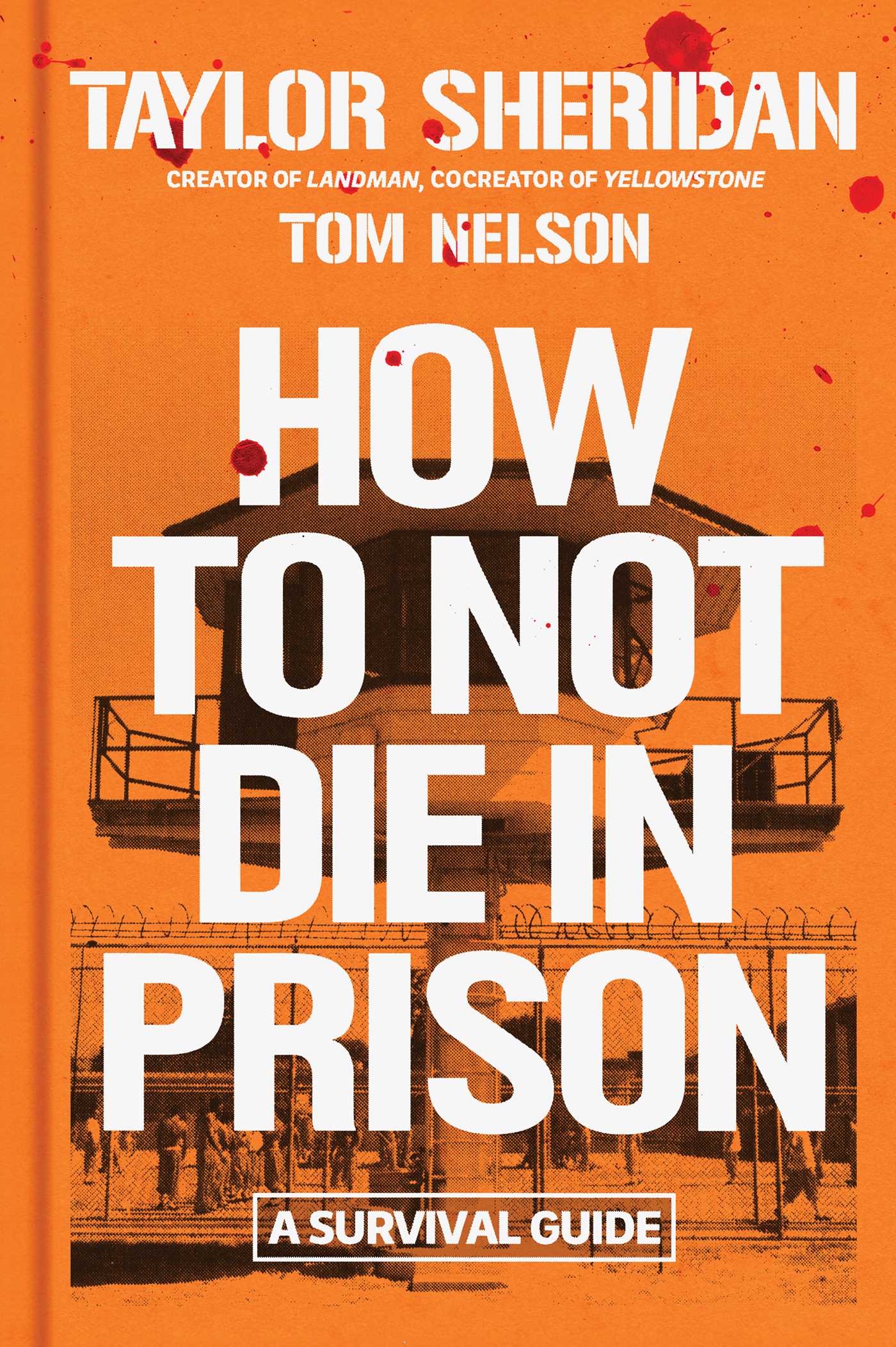
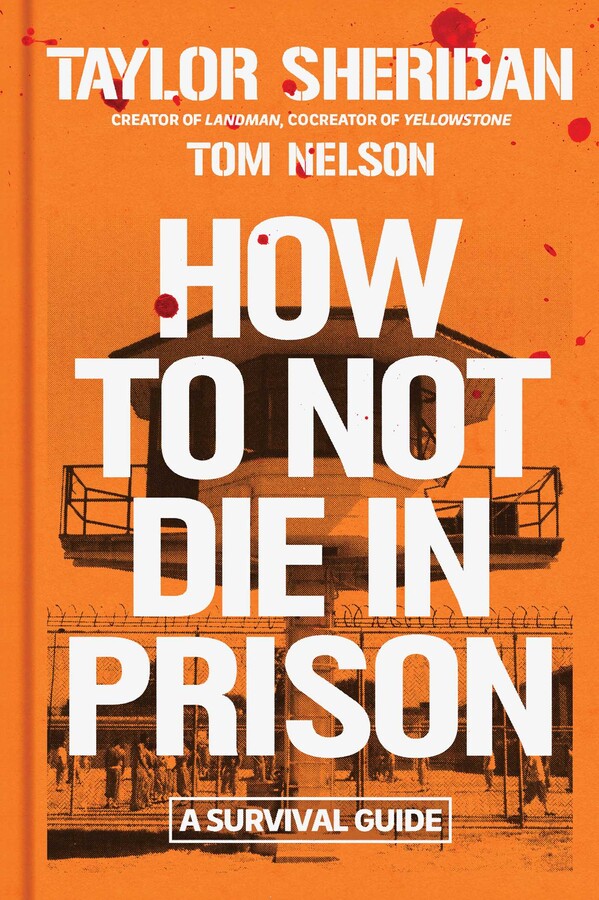
The debut book from Academy Award–nominated filmmaker Taylor Sheridan, creator of Landman and cocreator of Yellowstone—a no-bullsh*t, darkly funny survival guide to life inside a maximum-security prison, cowritten with prison-hardened ex-con Tom Nelson.
So, you f*cked up. Can't talk your way out of it, buy your way out of it, or beg your way out of it.
You are going to prison. You will be living under a set of rules made up by men who have demonstrated to society that they need a big ol' time out. There is no book of these rules. Nobody will tell them to you. But when you break one—boy, will you know it. For the newbie, the fish, the fresh meat—this book is your survival guide. How to mind your business without becoming a target. When to walk away. When to stand your ground.
This is how you don't die. Follow the advice in this book, and you just might make it out alive.
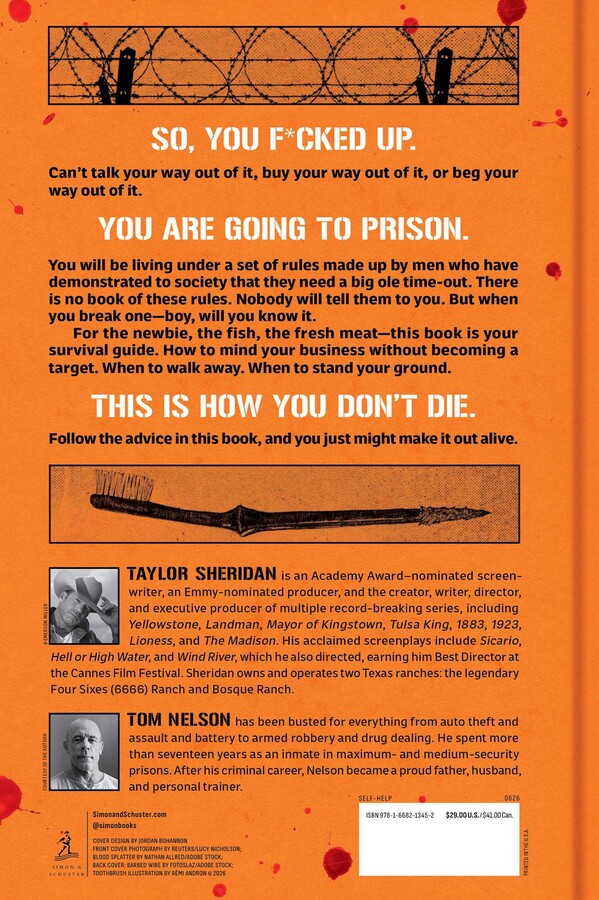
So, you f*cked up. Can't talk your way out of it, buy your way out of it, or beg your way out of it.
You are going to prison. You will be living under a set of rules made up by men who have demonstrated to society that they need a big ol' time out. There is no book of these rules. Nobody will tell them to you. But when you break one—boy, will you know it. For the newbie, the fish, the fresh meat—this book is your survival guide. How to mind your business without becoming a target. When to walk away. When to stand your ground.
This is how you don't die. Follow the advice in this book, and you just might make it out alive.
Excerpt
You might wonder what in the world gives me the knowledge or wisdom to write a survival guide to prison. Well, I’ll tell you—absolutely nothing. I’ve never been to prison. But, like every man, I’ve certainly wondered how I would survive if circumstances ever put me there.
That morbid curiosity sent me on a journey to understand the politics and dangers of prison. When researching for Mayor of Kingstown, I learned very quickly it’s way better to avoid going to prison than to figure out how to survive one.
We filmed Mayor of Kingstown in Toronto and a town north called Kingston—where numerous prisons are located. One of them had been taken out of commission, and we filmed all our prison scenes in that location, even using former inmates as extras in the show. In one particular scene, which was the “initiation” of a new inmate—a child killer, no less—we had to pause filming and bring in paramedics: One of the extras was so traumatized by the reenactment, he had a panic attack that was severe enough to send him to the hospital. Two other former inmates asked to leave immediately, SAG card be damned.
That’s how bad prison can be: Former inmates don’t even want to pretend they are back . . .
But still, none of this tells you why the hell I joined up with Tom to write a book about prison. Not to worry, I’m getting there . . .
I want to be blunt: Tom Nelson’s story is not “I got mixed up with the wrong crowd and stumbled into some trouble once and got caught.” He did it. And then got drunk or high and thought about doing it some more, then did it some more. Then beat the shit out of somebody, and stole some more shit, and got high, and sold more drugs, then beat the shit out of somebody else, then got caught and went to prison, then got out and went right back to selling drugs and stealing shit and beating the hell out of anyone who had an issue with it or him. Then went back to prison. You starting to see the pattern here?
Tom was a fucking criminal.
But in his last and longest stint in California’s theme park of horrors, he decided the juice wasn’t worth the squeeze. He got clean. He discovered physical fitness, and made it his new addiction. Tom became a model inmate and decided that when he got out, he would seek a career in building bodies rather than wrecking them. Once released, he moved to LA and got a job as a trainer in a local gym in Hollywood.
This is where our paths first crossed . . .
I was scraping by in Hollywood, eking out a living as a guest star actor on pretty much every shitty procedural show on television. I played numerous versions of Tom—I was the killer on CSI: NY, I was the killer on NYPD Blue, I was not the killer on CSI, but I sure looked like the killer until the end of the episode. I played a reformed killer on The Guardian, a soon-tobe killer on Walker, Texas Ranger. You get the picture . . .
But guest star work doesn’t pay so well, and sometimes working actors have a pretty negligible social life, contrary to popular belief. Not cool enough to get in the fancy clubs and no money if we did. So, pretty much all any of us did was audition and work out.
I worked out at a gym nicknamed Buns on Beverly because the treadmills were along a glass wall beside Beverly Boulevard, facing away from the street. Which meant the asses of all the models were on display for anyone to sit and ponder during rush hour traffic.
It was here I met Tom. His physique was different from most of the actors who frequented the place and lived on a diet of quinoa and sashimi. Tom was jacked. The kind of jacked you get by doing a thousand push-ups a day. And he looked tough, not like all these Ken dolls heading straight to the spray tanner after their workout. Tom looked like he would knock you the fuck out if you tested him. I liked Tom instantly. We would spot each other, trade workout routines, and bullshit with each other between sets. He became a personal trainer at the gym and trained my wife for years.
Somewhere around 2008, he opened his own gym. I instantly switched from Buns on Beverly to Muscle Mechanics. And I watched it grow over the years into the largest independent private-training gym in Los Angeles.
I finally landed a regular gig as—of all things—a police deputy on a show about a biker gang. After two years of that bullshit, I had “deputied” all the desire to act out of my system. I decided to write my own stories. I moved with my wife and son to Wyoming and wrote screenplays.
Tom and I would keep in touch, and when work forced me into LA, I would work out at Muscle Mechanics, which had quadrupled in size. Tom had bought a place north of town, had a horse he rode through the mountains of Santa Ynez, and was living the life he had likely always dreamed about. And he achieved it with no shortcuts. Hard work and dedication. He had done the statistically impossible—he had rehabilitated himself and become a contributing member of society.
Then Covid hit. And California shut down . . .
One can argue that California took the shutdown a wee bit too far (ya think?), but the state attempted to compensate for the nuclear bomb they dropped on their economy by sending out assistance checks to those forced out of work by the shutdown. I do not know the criteria California used to dole out those checks, though I know out-of-work actors (who were out of work before the shutdown) who received state assistance for years, but gyms were not on the list of businesses eligible for assistance, or at least Tom’s gym wasn’t.
I checked in with Tom in the summer of 2020, and he filled me in on just how fucked he was. I bought a bunch of his gym equipment, which we trucked up to Montana for the cast and crew of Yellowstone to use while we were quarantined away on set.
My life got busier than hell and Tom and I lost touch. Oh, we’d check in every six months or so, but he was a single dad raising a young daughter and I was trying to kill myself making five television series in the same year.
Then one day, I got a message from Tom. He was in a bad way. A real bad way . . . Health issues had him pondering his life, which appeared to be coming to an end very soon. And he was flat-ass dead broke. Like “how do I pay my rent next month” broke. Like “I guess it’s just my kid eating today” broke. He was fucked. A convicted felon with a four-year-old doesn’t exactly leap off the page of a job application. And even if it did, childcare would have cost more than whatever shit job he could muster would pay.
He asked for help. First things first, I got his ass on a plane and ran him through a barrage of doctors to figure his health out. They got to the bottom of his issues, and a road to physical recovery was under way.
Now the money problem . . .
I have a 100 percent failure rate of loaning money to friends and them remaining friends. It never works. And it doesn’t solve the long-term problem for the friend anyway. Just prolongs the issue they must ultimately overcome. I told Tom this, and said, whatever we come up with, it has to solve the problem—not just kick the can down the road a few months. That doesn’t help you and it damn sure doesn’t help your daughter.
Then I remembered a screenplay Tom had written about his life. It read like a nineties action movie (likely the last time Tom had actually seen a movie), which is not what Hollywood was buying at the time. But it was good. And funny. And moreover, it was insightful. Dude could write . . .
Just like every guy in America has discussed with his buddy just how much money it would take for him to get in the ring with Mike Tyson (it’s always in the millions), every guy has also pondered with his buddy: “Bro, what the fuck would you do if you got sent to prison.” “Flee to Canada” is a common response. (Side note: Committing a felony is not the same as dodging the draft during Vietnam. Canadians, friendly though they are, do not want American felons running around the streets of Vancouver, and happily return them to the good ole US of A.) “I’d kill myself ” is another. Then it hit me: What the world needs is a travel guide to the penitentiary. How to survive, navigate the very, very, very sharky waters—where danger lurks—and what mistakes to avoid like the plague.
Identifying the problem is half the solution. And Tom was the solution to the existential question of the American male—how to not die in prison.
I walked Tom through it. I told him it would require a lot of work. A lot of digging up the past. Remembering things he’d rather not remember. But Tom has proved he is nothing if not a survivor. One could argue that he is a master of it. He can teach you to be a survivor, too.
My job in this quest for survival is to constantly, tirelessly, and with every possible metaphor I can muster scare, shock, jolt, and convince your dumb ass to (1) take a fucking Uber; (2) pay your fucking taxes; (3) I know he stole your parking space, but don’t punch the fucking guy; (4) I know you hate Elon, but don’t Molotov cocktail your neighbor’s new Tesla; and (5) you know the fucking rules, so take a breath and think of the consequences, because in prison the consequences are force-fed to you every single fucking day.
So . . .
You got caught cheating on your taxes or cheating your business partner or your boss or the bank, or you robbed a bank. Maybe you had a few too many at the family reunion and plowed through some sweet old couple in the crosswalk—my point is, you fucked up. Then you fucked up again when you didn’t listen to the officer who read you your rights and informed you that you don’t have to speak, or you hired your cousin Larry as your attorney. Your trial date is on the Friday after your judge’s first appearance in divorce court. You see the pattern here—shit rolls downhill and you are at the base of the mountain. Can’t talk your way out of it, buy your way out of it, or beg your way out of it: You are going to prison . . .
Your first thought will be about the time. Eighteen months. Three years. Eight years . . . What happens to the life you built and knew—will it be waiting for you when you return? What about your wife and kids? (Or husband and kids, though the rate of married women being incarcerated is so low, it doesn’t really warrant a book. Men, it seems, fuck up at an exponential rate compared to women.) But it won’t be long before your old life is a fuzzy memory. How long, you ask? Oh, about ninety seconds after the judge reads your sentence. From that moment on, you will live acutely in the present.
You are going to live with anywhere between six hundred and two thousand other men who have proved to society they need a big ole timeout. You will be living under a set of rules made up by men who have demonstrated to society that they can’t follow rules so completely that society kicked them out. Or kicked them in, as it were . . .
There is no book of these rules, nobody will tell them to you, but when you break one—boy, will you know it . . .
These rules will be beaten into you, extorted into you, harassed into you, and if you don’t play your cards right, they just might be boinked into you. Yikes . . . You can take all the jujitsu and boxing and Krav Maga you want, lift all the weights you want, knock out some teeth, get a scary tattoo— none of it will protect you. You are headed to a place where a very long line of men are tougher, meaner, and scarier. Best way to survive? Be something you have chosen not to be up to this point—be smart.
There’s lots to ponder on your state-sponsored time-out, like how to turn your life around once you get out of prison. But before that, you must learn to negotiate the personalities and politics of prison. Gotta learn how to read the room, cuz the room is sure learning how to read you.
This is a guidebook for the accidental felon. The “if I get out of this place I’m-never-ever-ever-doing-anything-like-that-ever-again.” And you mean it. If this is your second or third stint in the slammer, you know all this shit. You could’ve written your own book, but you didn’t cuz you’re a fucking criminal who never paid attention in school and thought a GED is for pussies. So be it.
For the newbie, the fish, the fresh meat—this book is how you survive, how you navigate the sharky waters. How to mind your own business without becoming a target, when to shut up, when to walk away, and when to stand up for yourself. This is how you don’t die. And if you follow the advice of this book (though the fact that you bought this book demonstrates you ain’t the best at taking advice), you just might make it . . .
RULE NUMBER ONE (this one should go without saying): Read this book before you go to prison. This book in prison = new boyfriend by dinner.
Now, let’s get to work. We’ve got a lot to cover. And you don’t have much time . . .
About The Authors
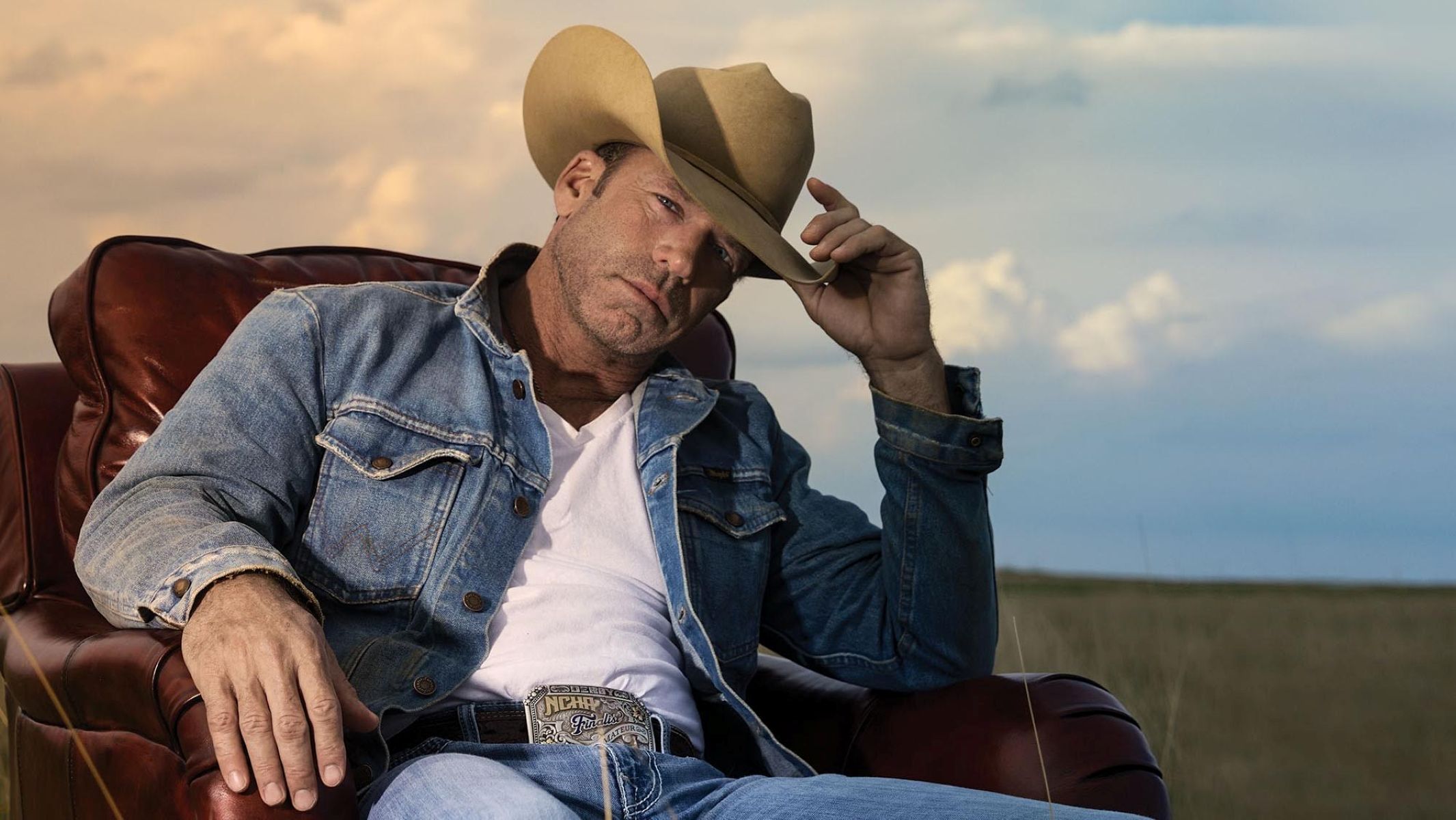
Photograph © Emerson Miller
Taylor Sheridan is an Academy Award–nominated screenwriter, Emmy-nominated producer, and the creator, writer, director, and executive producer of multiple record-breaking series including Yellowstone, Landman, Mayor of Kingstown, Tulsa King, 1883, 1923, Lioness, and The Madison. His acclaimed screenplays include Sicario, Hell or High Water, and Wind River, which he also directed, earning him Best Director at the Cannes Film Festival. Sheridan owns and operates two Texas ranches including the legendary Four Sixes (6666) Ranch and Bosque Ranch.
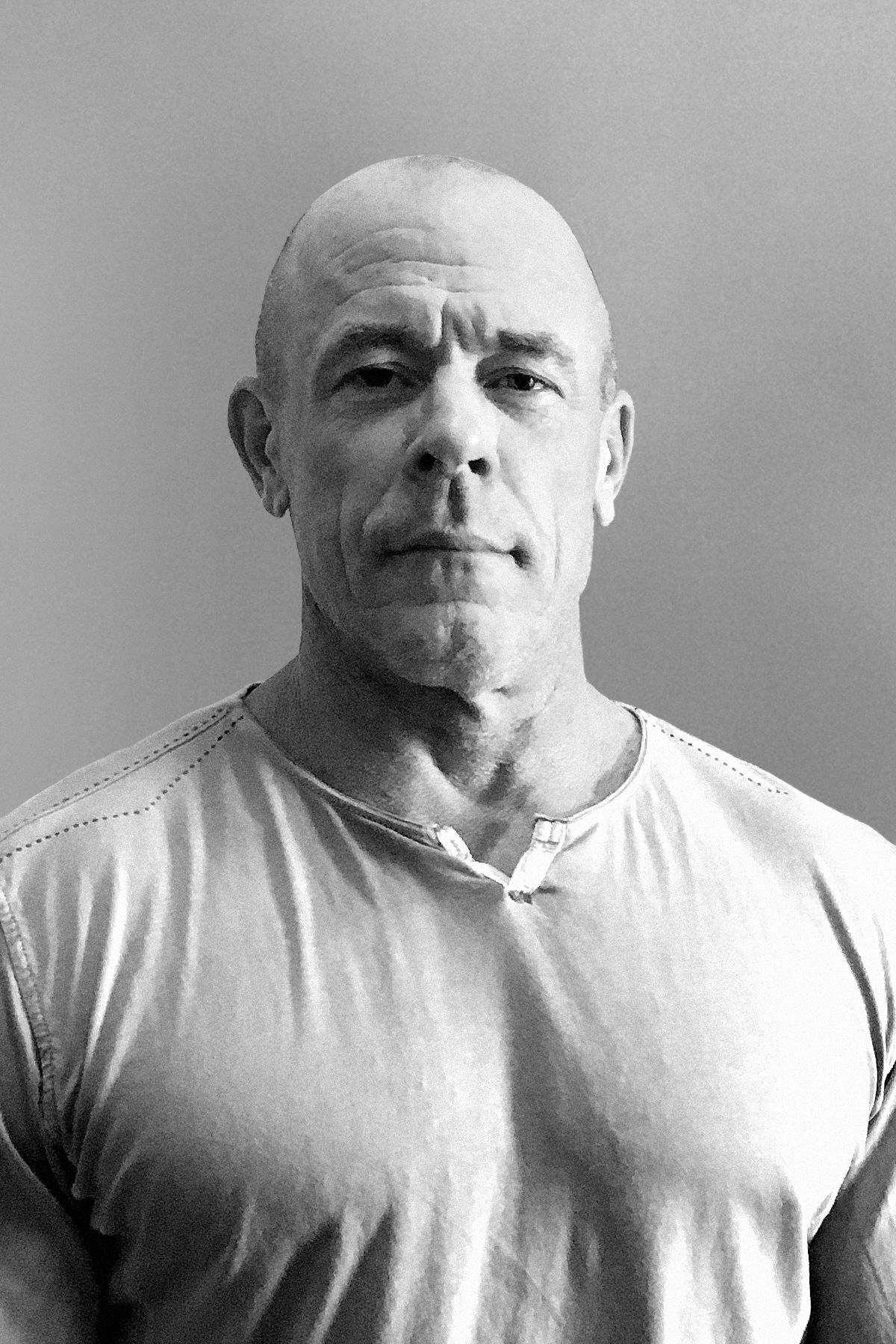
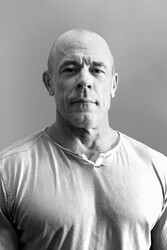
Photograph © Tom Nelson
Tom Nelson has been busted for everything from auto theft and assault and battery to armed robbery and drug dealing. He spent more than seventeen years as an inmate in maximum- and medium-security prisons. After his criminal career, Tom became a proud father, husband, and personal trainer.
Product Details
- Publisher: Simon & Schuster (June 23, 2026)
- Length: 256 pages
- ISBN13: 9781668213452
Browse Related Books
Raves and Reviews
"A guide to surviving (but not necessarily thriving) in prison if you’ve made some really bad decisions. . . . Frank and enlightening."
– Kirkus
Resources and Downloads
High Resolution Images
-
Book Cover Image (jpg): How to Not Die in Prison
Paper Over Board 9781668213452
-
Author Photo (jpg): Taylor Sheridan Photograph © Emerson Miller(0.1 MB)
Any use of an author photo must include its respective photo credit
-
Author Photo (jpg): Tom Nelson Photograph © Tom Nelson(0.1 MB)
Any use of an author photo must include its respective photo credit