Plus, receive recommendations and exclusive offers on all of your favorite books and authors from Simon & Schuster.
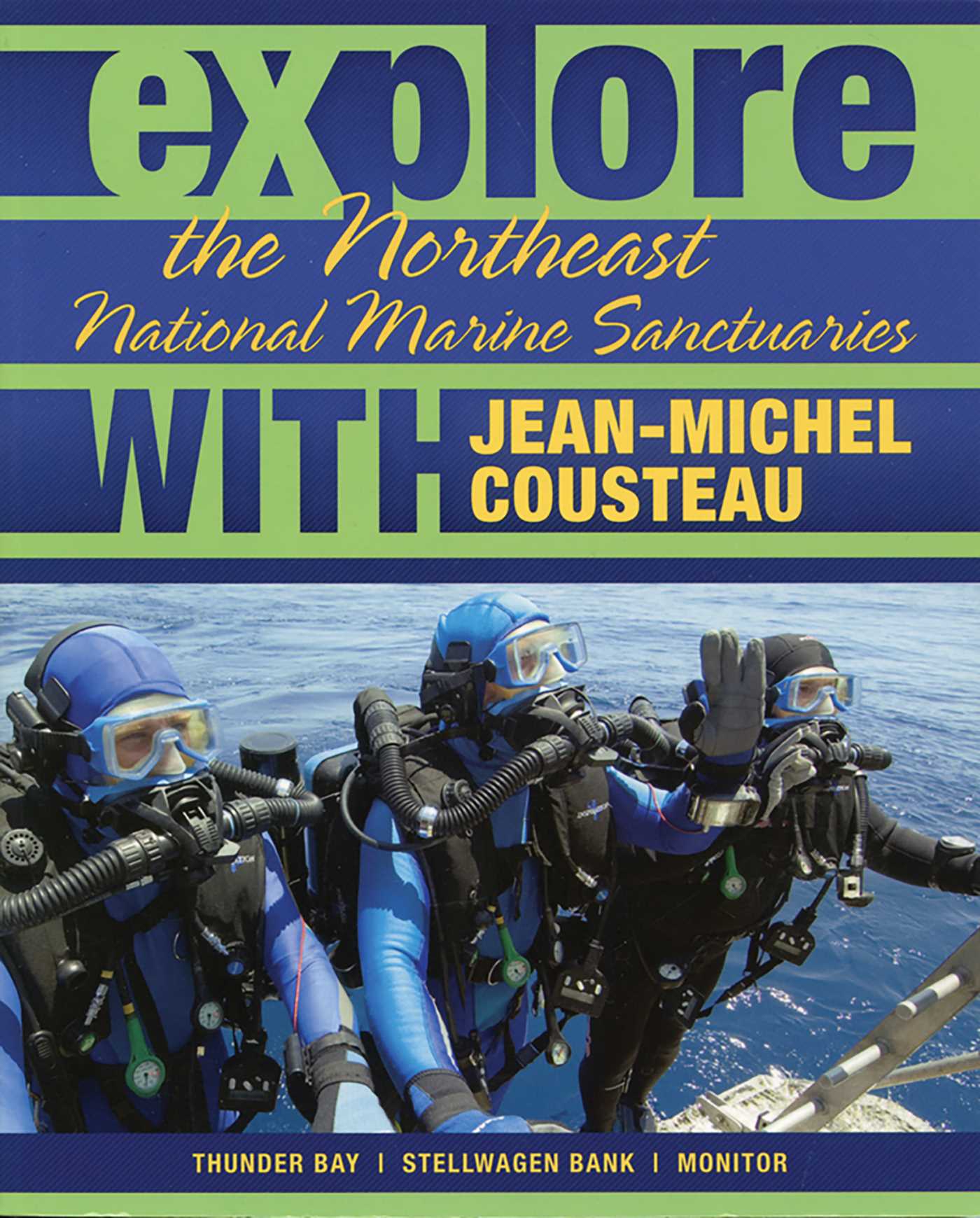
Explore the Northeast National Marine Sanctuaries with Jean-Michel Cousteau
With Sylvia A. Earle and Maria McGuire
Published by Square One
Distributed by Simon & Schuster
LIST PRICE $19.95
PRICE MAY VARY BY RETAILER
Free shipping when you spend $40. Terms apply.
Buy from Other Retailers
Table of Contents
About the Book
Based on the famed French explorer’s film series, Jean-Michel Cousteau: Ocean Adventures, these are the definitive guides to America’s thirteen National Marine Sanctuaries and its one Marine National Monument. Each of these four books conducts a grand adventure through one of the four regions of the National Marine Sanctuary system, combining engaging descriptions, stunning four-color photography, and behind-the-scenes stories from the Ocean Futures Society expedition team. Insightful inquiries into the health of the world’s oceans are provided along with an overview of several incredible underwater treasures. Conveying the beauty of the ocean and the specific measures being put into effect to preserve it, this inspirational collection also features detailed, practical information for planning visits to the sanctuaries.
Excerpt
About the Series
The four book series, Explore the National Marine Sanctuaries with Jean-Michel Cousteau has been developed in partnership with the National Marine Sanctuary system and Ocean Future Society. Text in italics is excerpted from the previously, limited-edition book America’s Underwater Treasures by Jean-Michel Cousteau and Julie Robinson with photography by Carrie Vonderhatt. That book describes the experience and research of Jean-Michel Cousteau and his Ocean Futures Team while diving all 13 underwater marine sanctuaries and the one underwater marine monument. Their experiences is captured in a film by the same name aired on PBS as part of Jean-Michel Cousteau’s Ocean Adventures. The current series is offered to make information on these vital sanctuaries even more inclusive for the American public.
Each book in the series takes readers to one of the four regions of the country into which the National Oceanic and Atmospheric Administration (NOAA) has organized its management of the National Marine Sanctuaries. This book, Explore the Northeast National Marine Sanctuaries with Jean-Michel Cousteau, visits sanctuaries and a national monument off Hawaii and American Samoa. The other books in the series are:, Explore the Southeast National Marine Sanctuaries with Jean-Michel Cousteau, Explore the West Coast National Marine Sanctuaries with Jean-Michel Cousteau and Explore the Pacific Islands National Marine Sanctuaries with Jean-Michel Cousteau,.
The first National Marine Sanctuary in the United States was established only decades ago, while Yellowstone, the oldest of the American National Parks ,was created in 1872. By comparison the parks, these natural marine jewels were damaged upon arrival. Only small portions remain pristine. For many, their destinations arose amidst threats to one or a number of aspects to their survival. Like terrestrial parks, these are special habitats, managed zones for the recovery of critical species like humpback whales or juvenile rockfish but, most importantly, they attempt to preserve the integrity of the web of life.
Ironically, we discovered that managing these resources for sustainability was in truth an exercise in managing ourselves. And that’s not bad, as we’re still learning, an easy job. At each destination we were privileged witnesses to the real-time drama of marine conservation playing out across the United States. At the heart of it, we found a powerful paradigm shift happening in environmentalism. Fishermen, environmentalists and scientists from opposite sides of the aisle were sitting down together with rolled-up sleeves, poring through scientific research, debating the merits of reserves and restoration, and coming to terms with the new definition of sanctuary. “These are,” as Dan Basta, past director of the National Marine Sanctuary System, reminded us, “still works in progress.”
The National Marine Sanctuaries’ Northeast Region
Over fifty years ago, Congress passed the Marine Protection, Research and Sanctuaries Act of 1972. Three years later, in 1975, the wreck site of the USS Monitor became the first national marine sanctuary. From the first to the newest sanctuary, the Northeast regional office protects not only the USS Monitor but also natural and cultural resources at Stellwagon Bank, and a vast collection of Great Lakes wrecks in Thunder Bay, the nation’s newest and only freshwater sanctuary, created solely to protect underwater cultural resources.
Sanctuaries often face daunting challenges, like crowded shipping lanes and dense fishing gear deployments that threaten endangered marine animals feeding in the Stellwagon Bank area. Stellwagon Bank is considered one of the top whale watching sites in the world. Stellwagon Bank is also home to the wreck of the coastal steam ship, the Portland, which was listed on National Register of Historic Places in January 2005. In addition to the Stellwagon Bank sanctuary, this book will also introduce readers to the Thunder Bay and Monitor sanctuaries.
The four book series, Explore the National Marine Sanctuaries with Jean-Michel Cousteau has been developed in partnership with the National Marine Sanctuary system and Ocean Future Society. Text in italics is excerpted from the previously, limited-edition book America’s Underwater Treasures by Jean-Michel Cousteau and Julie Robinson with photography by Carrie Vonderhatt. That book describes the experience and research of Jean-Michel Cousteau and his Ocean Futures Team while diving all 13 underwater marine sanctuaries and the one underwater marine monument. Their experiences is captured in a film by the same name aired on PBS as part of Jean-Michel Cousteau’s Ocean Adventures. The current series is offered to make information on these vital sanctuaries even more inclusive for the American public.
Each book in the series takes readers to one of the four regions of the country into which the National Oceanic and Atmospheric Administration (NOAA) has organized its management of the National Marine Sanctuaries. This book, Explore the Northeast National Marine Sanctuaries with Jean-Michel Cousteau, visits sanctuaries and a national monument off Hawaii and American Samoa. The other books in the series are:, Explore the Southeast National Marine Sanctuaries with Jean-Michel Cousteau, Explore the West Coast National Marine Sanctuaries with Jean-Michel Cousteau and Explore the Pacific Islands National Marine Sanctuaries with Jean-Michel Cousteau,.
The first National Marine Sanctuary in the United States was established only decades ago, while Yellowstone, the oldest of the American National Parks ,was created in 1872. By comparison the parks, these natural marine jewels were damaged upon arrival. Only small portions remain pristine. For many, their destinations arose amidst threats to one or a number of aspects to their survival. Like terrestrial parks, these are special habitats, managed zones for the recovery of critical species like humpback whales or juvenile rockfish but, most importantly, they attempt to preserve the integrity of the web of life.
Ironically, we discovered that managing these resources for sustainability was in truth an exercise in managing ourselves. And that’s not bad, as we’re still learning, an easy job. At each destination we were privileged witnesses to the real-time drama of marine conservation playing out across the United States. At the heart of it, we found a powerful paradigm shift happening in environmentalism. Fishermen, environmentalists and scientists from opposite sides of the aisle were sitting down together with rolled-up sleeves, poring through scientific research, debating the merits of reserves and restoration, and coming to terms with the new definition of sanctuary. “These are,” as Dan Basta, past director of the National Marine Sanctuary System, reminded us, “still works in progress.”
The National Marine Sanctuaries’ Northeast Region
Over fifty years ago, Congress passed the Marine Protection, Research and Sanctuaries Act of 1972. Three years later, in 1975, the wreck site of the USS Monitor became the first national marine sanctuary. From the first to the newest sanctuary, the Northeast regional office protects not only the USS Monitor but also natural and cultural resources at Stellwagon Bank, and a vast collection of Great Lakes wrecks in Thunder Bay, the nation’s newest and only freshwater sanctuary, created solely to protect underwater cultural resources.
Sanctuaries often face daunting challenges, like crowded shipping lanes and dense fishing gear deployments that threaten endangered marine animals feeding in the Stellwagon Bank area. Stellwagon Bank is considered one of the top whale watching sites in the world. Stellwagon Bank is also home to the wreck of the coastal steam ship, the Portland, which was listed on National Register of Historic Places in January 2005. In addition to the Stellwagon Bank sanctuary, this book will also introduce readers to the Thunder Bay and Monitor sanctuaries.
Product Details
- Publisher: Square One (September 19, 2013)
- Length: 192 pages
- ISBN13: 9780982694039
Browse Related Books
Resources and Downloads
High Resolution Images
-
Book Cover Image (jpg): Explore the Northeast National Marine Sanctuaries with Jean-Michel Cousteau
Trade Paperback 9780982694039