Plus, receive recommendations and exclusive offers on all of your favorite books and authors from Simon & Schuster.
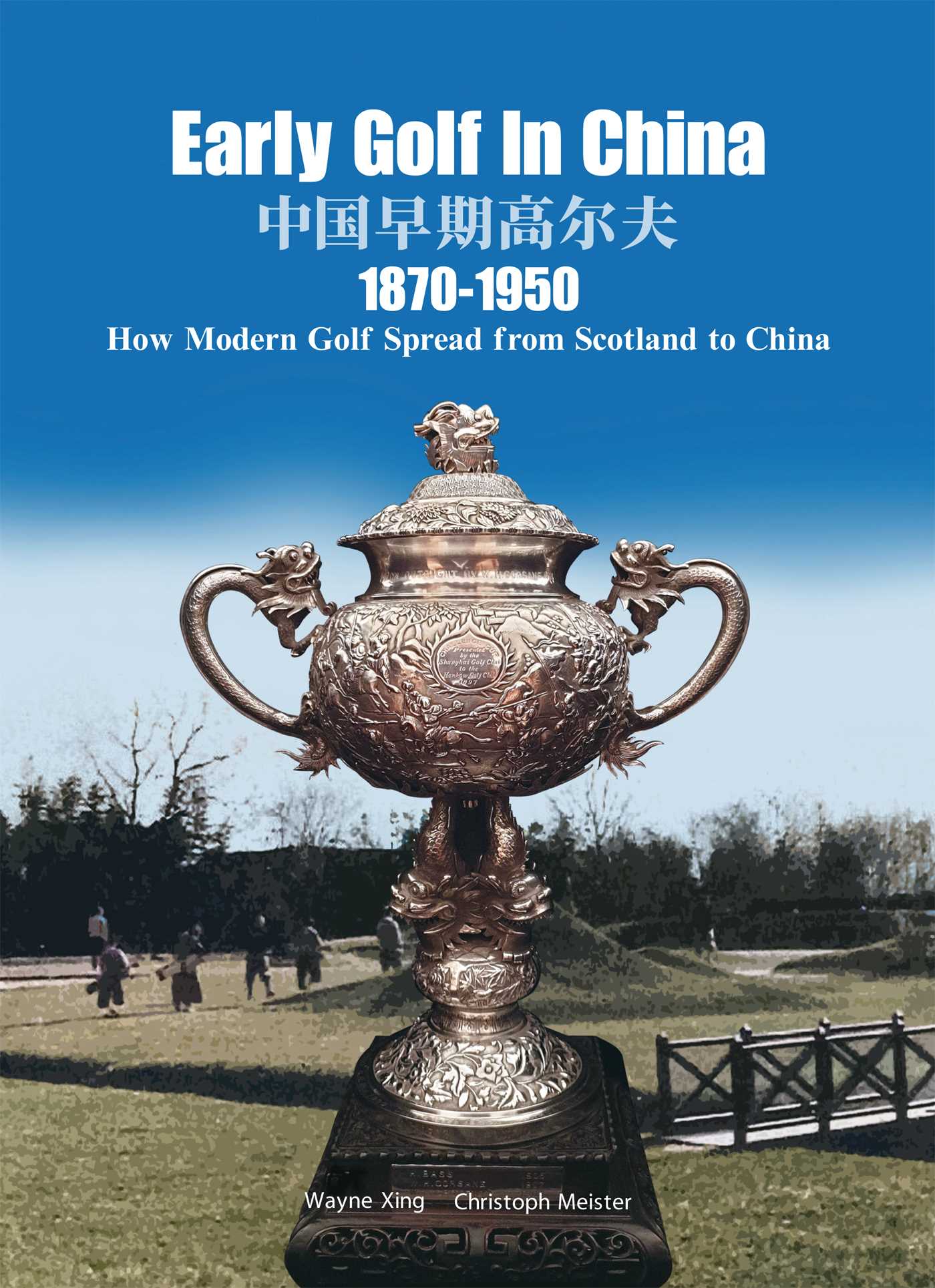
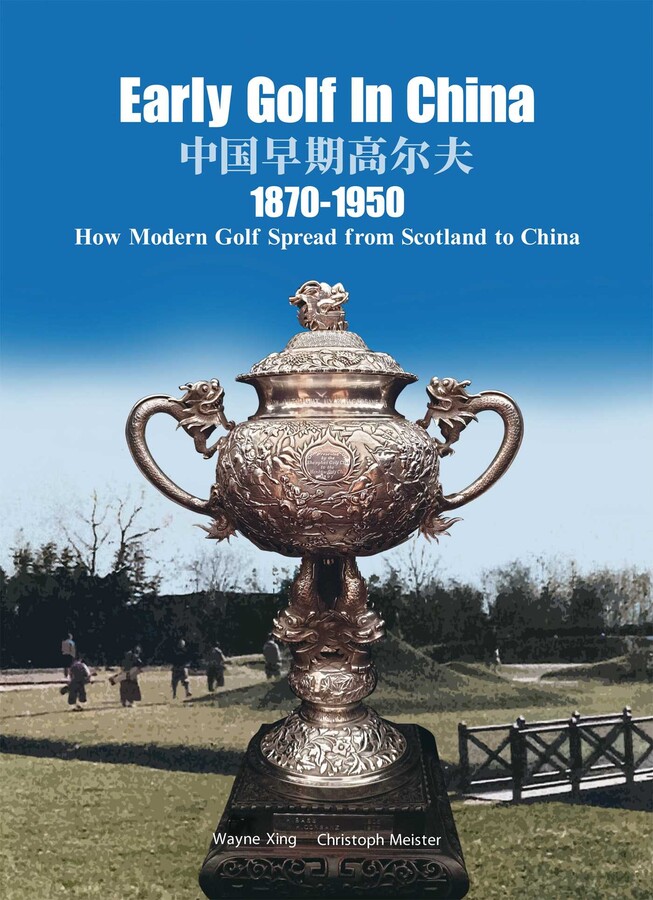
Early Golf in China, 1870-1950
How Modern Golf Spread from Scotland to China
By Wayne Xing and Christoph Meister
Published by Blacksmith Books
Distributed by Simon & Schuster
LIST PRICE $49.95
PRICE MAY VARY BY RETAILER
Get 20% off with code FALL26 plus free shipping on orders of $40 or more. Discount on physical products only. Terms apply.
Buy from Other Retailers
Table of Contents
About the Book
The modern game of golf, which originated in Scotland, gradually spread across the globe from the mid-19th century, first to Asia and then to Europe, North America, Oceania and Africa. It has become a popular outdoor sport, a national and international competitive game, and an Olympic event.
The spread of the modern game of golf was a by-product of the British Empire. Golf courses were constructed and clubs established as early as 1829 in India, long before they appeared in mainland Europe. As the British colonial empire expanded into China, Scots arrived in the country as naval officers, consular and customs officials, engineers, doctors, architects, merchants, bankers and accountants, and settled in China’s opening trading ports. Scottish missionaries reached into the Chinese interior to seek new converts.
As they became residents in China’s trading ports, they brought along their national game. Almost without exception, early Chinese golf courses and clubs appeared first at the trading ports. Those behind the courses and clubs were overwhelmingly Scots, with some coming directly from the birthplaces of modern golf such as St. Andrews and Carnoustie.
The earliest golf course in China appeared in Hankou in 1870 and the earliest golf club was the Hankow Golf Club, incorporated in 1878. This indicates that China was the third country, after only India and France, where the game of golf spread outside the UK. Later, courses and clubs appeared in other Chinese ports: Hong Kong in 1889, Yantai in 1890, Shanghai in 1894 and Tianjin in 1895, followed by many others.
With the aid of plentiful illustrations, this book tells the story of the first 80 years of golf in China.
The spread of the modern game of golf was a by-product of the British Empire. Golf courses were constructed and clubs established as early as 1829 in India, long before they appeared in mainland Europe. As the British colonial empire expanded into China, Scots arrived in the country as naval officers, consular and customs officials, engineers, doctors, architects, merchants, bankers and accountants, and settled in China’s opening trading ports. Scottish missionaries reached into the Chinese interior to seek new converts.
As they became residents in China’s trading ports, they brought along their national game. Almost without exception, early Chinese golf courses and clubs appeared first at the trading ports. Those behind the courses and clubs were overwhelmingly Scots, with some coming directly from the birthplaces of modern golf such as St. Andrews and Carnoustie.
The earliest golf course in China appeared in Hankou in 1870 and the earliest golf club was the Hankow Golf Club, incorporated in 1878. This indicates that China was the third country, after only India and France, where the game of golf spread outside the UK. Later, courses and clubs appeared in other Chinese ports: Hong Kong in 1889, Yantai in 1890, Shanghai in 1894 and Tianjin in 1895, followed by many others.
With the aid of plentiful illustrations, this book tells the story of the first 80 years of golf in China.
Product Details
- Publisher: Blacksmith Books (November 3, 2026)
- Length: 272 pages
- ISBN13: 9789887674924
Browse Related Books
Resources and Downloads
High Resolution Images
-
Book Cover Image (jpg): Early Golf in China, 1870-1950
Hardcover 9789887674924