Plus, receive recommendations and exclusive offers on all of your favorite books and authors from Simon & Schuster.
Published by Pegasus Books
Distributed by Simon & Schuster
LIST PRICE $32.00
PRICE MAY VARY BY RETAILER
Free shipping when you spend $40. Terms apply.
Buy from Other Retailers
Table of Contents
About the Book
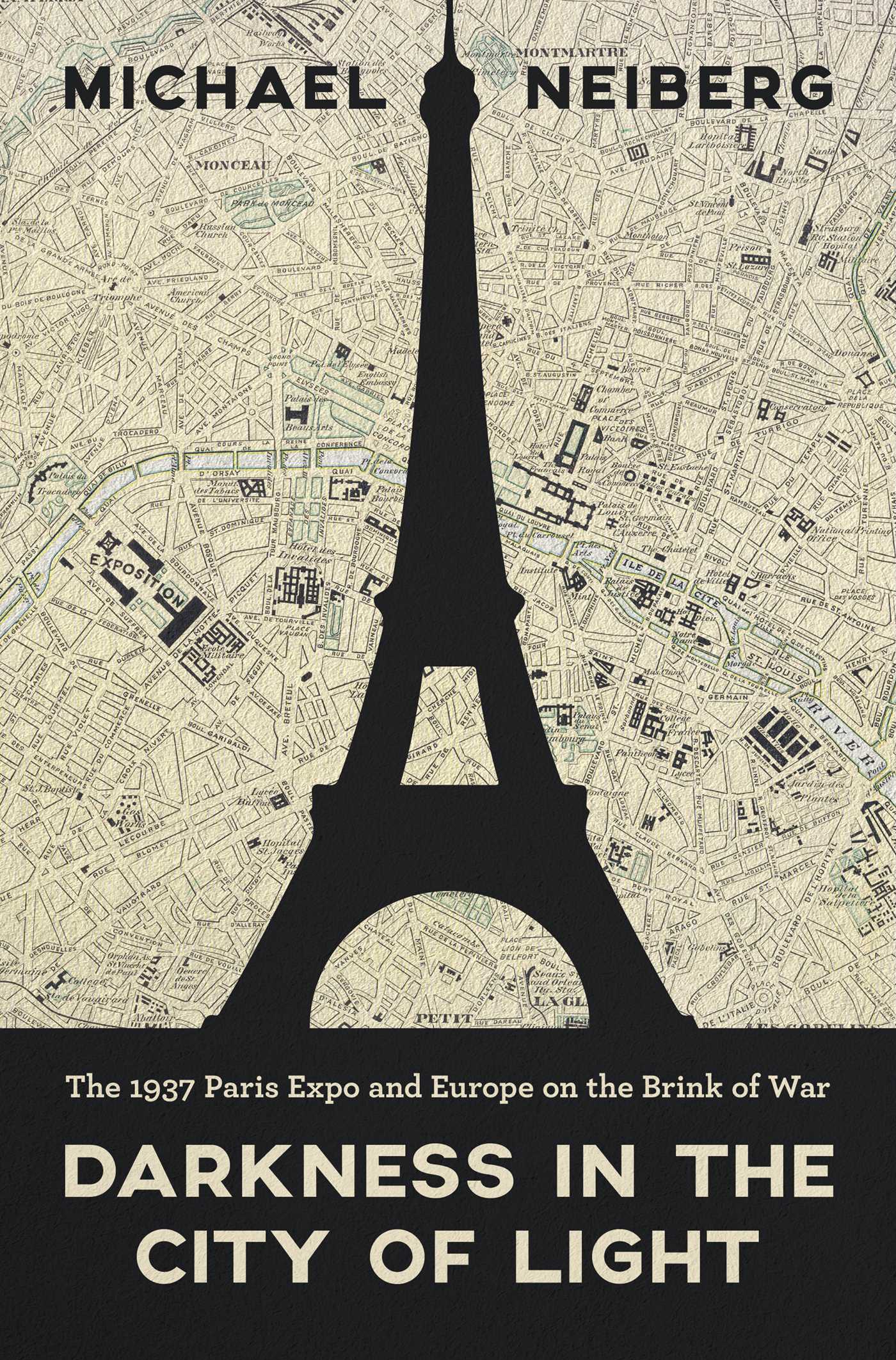
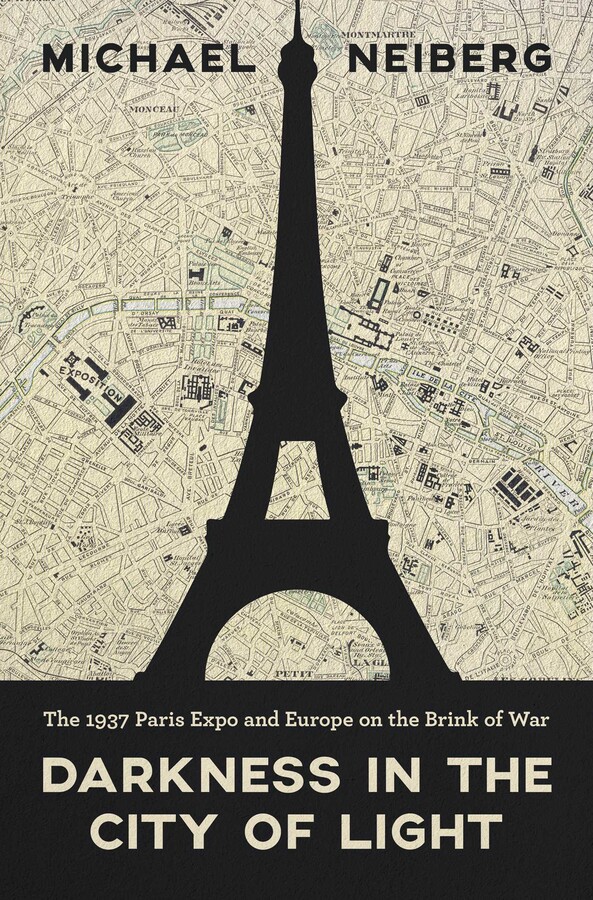
A masterful history of the tumultuous decade preceding World War II, as seen through the glittering showcase of the 1937 Paris Expo.
The 1937 Paris Expo, a dazzling showcase of technological and artistic advancements, took place in a Europe that had just two years of peace remaining before the start of World War II.
Held in the heart of Paris on both sides of the River Seine, the Expo attracted more than 31 million visitors between May and November. It’s organizers hoped for a celebration of art and progress, but the rise of fascism and communism, class tensions, a civil war in Spain, and a refugee crisis among Europe’s persecuted Jews all loomed menacingly over the festivities. The Expo served as a microcosm of Europe’s struggles, with national pavilions showcasing technical and artistic prowess but also revealing the fissures of a continent struggling to hold itself together amid many problems.
There has never been a more important time than now to take a fresh look at the 1930s. Economic stagnation, controversies over migration and refugees, the ambiguous role of the United States in European affairs, deep concerns about political dysfunction, and the threat of major war all affect Europe today just as they did then.
In another echo of today’s ideological and geopolitical contests, the liberal democracies of 1937 offered the totalitarian states the benefits of trade, diplomacy, and cultural exchanges in the hope that greater interaction would make the autocracies more moderate. Instead, the autocracies seized the stage that the democracies offered to them in Paris, then used the platform to undermine liberalism and promote their own, more menacing ideas about the past and the future.
Product Details
- Publisher: Pegasus Books (July 6, 2027)
- Length: 400 pages
- ISBN13: 9798897103300
Browse Related Books
Raves and Reviews
Praise for Michael Neiberg’s Potsdam: The End of World War II and the Remaking of Europe
"Neiberg is a skilled storyteller.”
– The Weekly Standard
"An easily digestible page-turner.” - The Wall Street Journal
“A crisp, elegantly organized account. An excellent book."
– The Financial Times
"Potsdam is a thought-provoking book with many noteworthy perceptions and much good description.” - The New Criterion
"An intriguing and readable book about a conference that has been relegated to footnotes for much too long. A must-have account for everyone."
– Library Journal
"[A] thoughtful, controversial account. Neiberg's insightful history makes a case that Potsdam worked much better than Versailles had in 1919." - Publishers Weekly
"This is a solid account of the conference, concisely summarizing its results and significance without excessive indulgence in entertaining personal anecdotes. Fills a hitherto surprisingly empty niche in the World War II library."
– Kirkus Reviews
"Michael Neiberg has given us a taut, masterful account of Potsdam. The Cold War was born at Potsdam, and Neiberg seats us at the conference table, to feel the tension and acrimony." - Geoffrey Wawro, author of A Mad Catastrophe: The Outbreak of World War I and the Collapse of the Habsburg Empire
"The Potsdam Conference defined international relations in the second half of the twentieth century, and it continues to influence contemporary events in Europe and East Asia. This is a powerful book with high drama—a must-read for anyone interested in global affairs."
– Jeremi Suri, author of Liberty's Surest Gaurdian: American Nation-Building from the Founders to Obama
“A masterpiece of much needed compression on the Potsdam Conference of 1945, and the contrast with peacemaking in 1919 is excellently brought out." - Norman Stone, author of World War Two: A Short History
"Shrewdly and economically, Michael Neiberg delineates the conflicting motives and interests that separated the leaders of ''the Big Three.'' Mr. Neiberg provides deft pen portraits of the principals as well. He has taken an enormously complicated subject and made it comprehensible for the general reader."
– Jonathan Schneer, author of Ministers at War: Winston Churchil and His War Cabinet
Praise for When France Fell:
“Deeply researched and forcefully written. Shed[s] light on an embarrassing period in American diplomacy. Neiberg offers a mesmerizing account [and] deftly explains the confused politics and diplomacy that bedeviled the war against the Nazis.” - The Wall Street Journal
“Meticulously researched but extremely readable. [An] excellent book.”
– The Washington Post
“Michael Neiberg is one of the very best historians on wartime France, and his approach to the fall of France and its consequences is truly original and perceptive as well as superbly written.” - Antony Beevor, author of The Second World War
“Writing with clarity and verve, deep knowledge of French sources, and a keen eye for human foibles, Neiberg explains how the defeat of June 1940 transformed America’s relationship with France and compelled a rethinking of America’s world role. A smart and fresh analysis of Franco–American relations in the darkest hour of our long friendship.”
– William I. Hitchcock, author of The Age of Eisenhower: America and the World in the 1950s
“Neiberg has rescued an important episode in the history of the Second World War from relative obscurity and done so in great style. His book, with its terrific cast of characters and fast-paced story, reads like a novel and is at the same time an outstanding piece of historical research and analysis.” - Margaret MacMillan, author of War: How Conflict Shaped Us
“An utterly gripping account, the best to date, of relations within the turbulent triumvirate of France, Britain, and America in the Second World War. Neiberg vividly brings to life the extraordinary military, domestic, personal, and political pressures on giants such as Franklin Roosevelt, Winston Churchill, and Charles de Gaulle, while also showing the immediate practical effect their interactions had on ordinary people in the struggle against the Nazis.”
– Andrew Roberts, New York Times bestselling author of Churchill: Walking with Destiny
Resources and Downloads
High Resolution Images
-
Book Cover Image (jpg): Darkness in the City of Light
Hardcover 9798897103300