Plus, receive recommendations and exclusive offers on all of your favorite books and authors from Simon & Schuster.
Published by Destiny Books
Distributed by Simon & Schuster
LIST PRICE $19.99
PRICE MAY VARY BY RETAILER
Get 20% off with code FALL26 plus free shipping on orders of $40 or more. Discount on physical products only. Terms apply.
Buy from Other Retailers
Table of Contents
About the Book
A deck based on the astrological vision of the Hermetic Order of the Golden Dawn
• Gives astrological correspondences for each card in the tarot, including planets, signs, and elements, as established by the Hermetic Order of the Golden Dawn
• Explains the symbolic meaning, interpretive range, and shadow aspect of each card for more nuanced readings
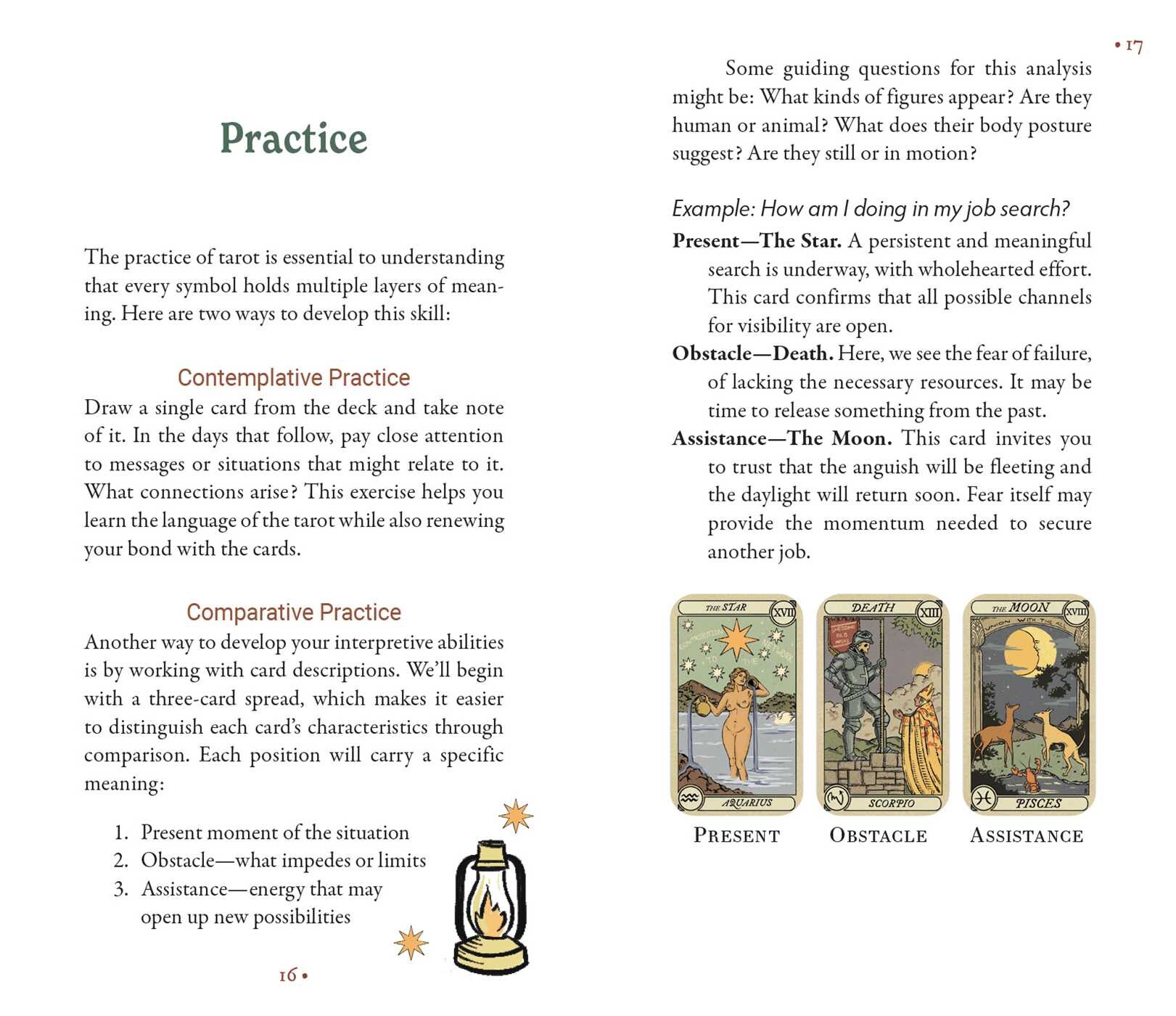
• Introduces reading practices and examples that support your exploration of contemplative and comparative tarot methods
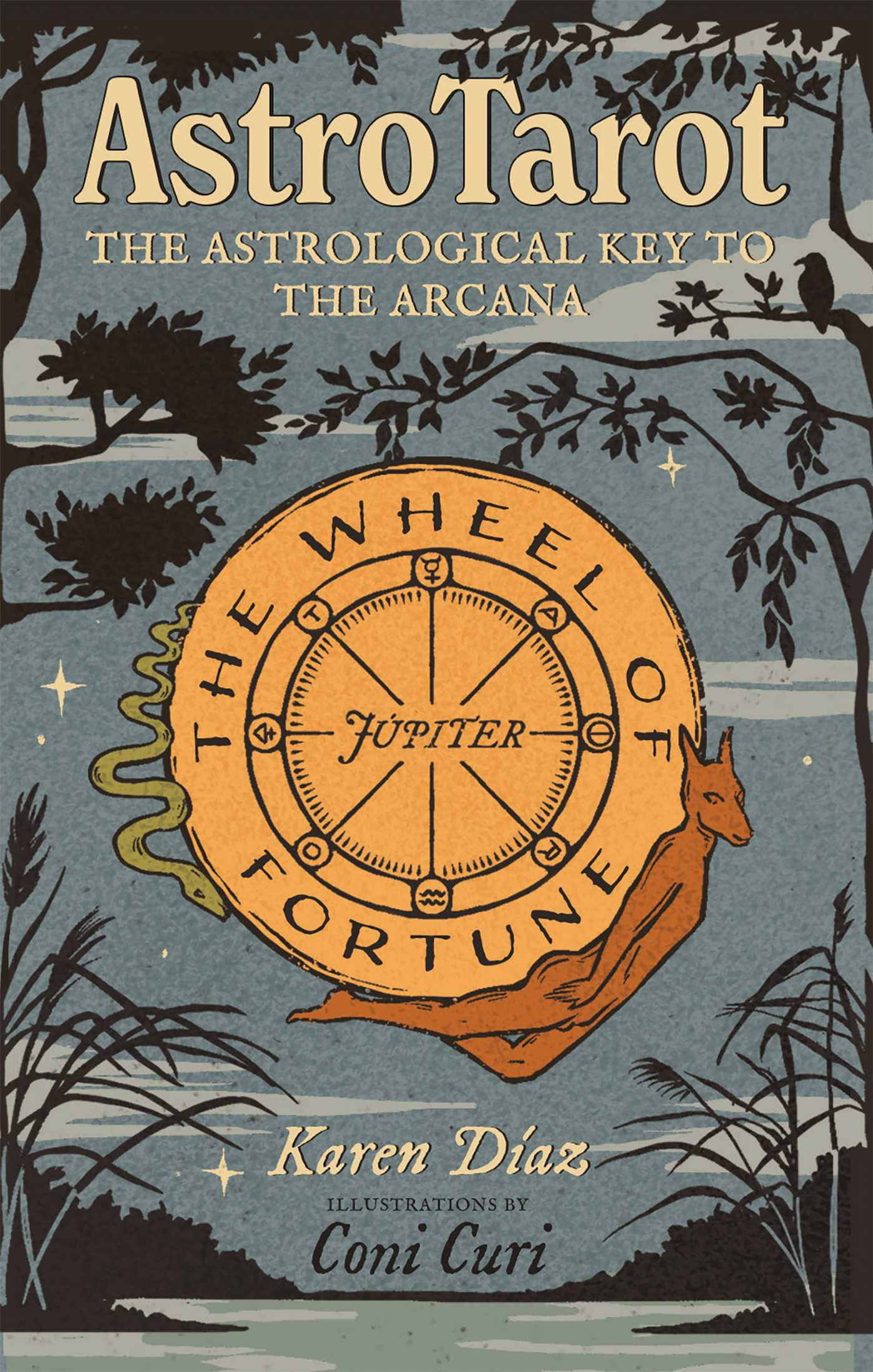
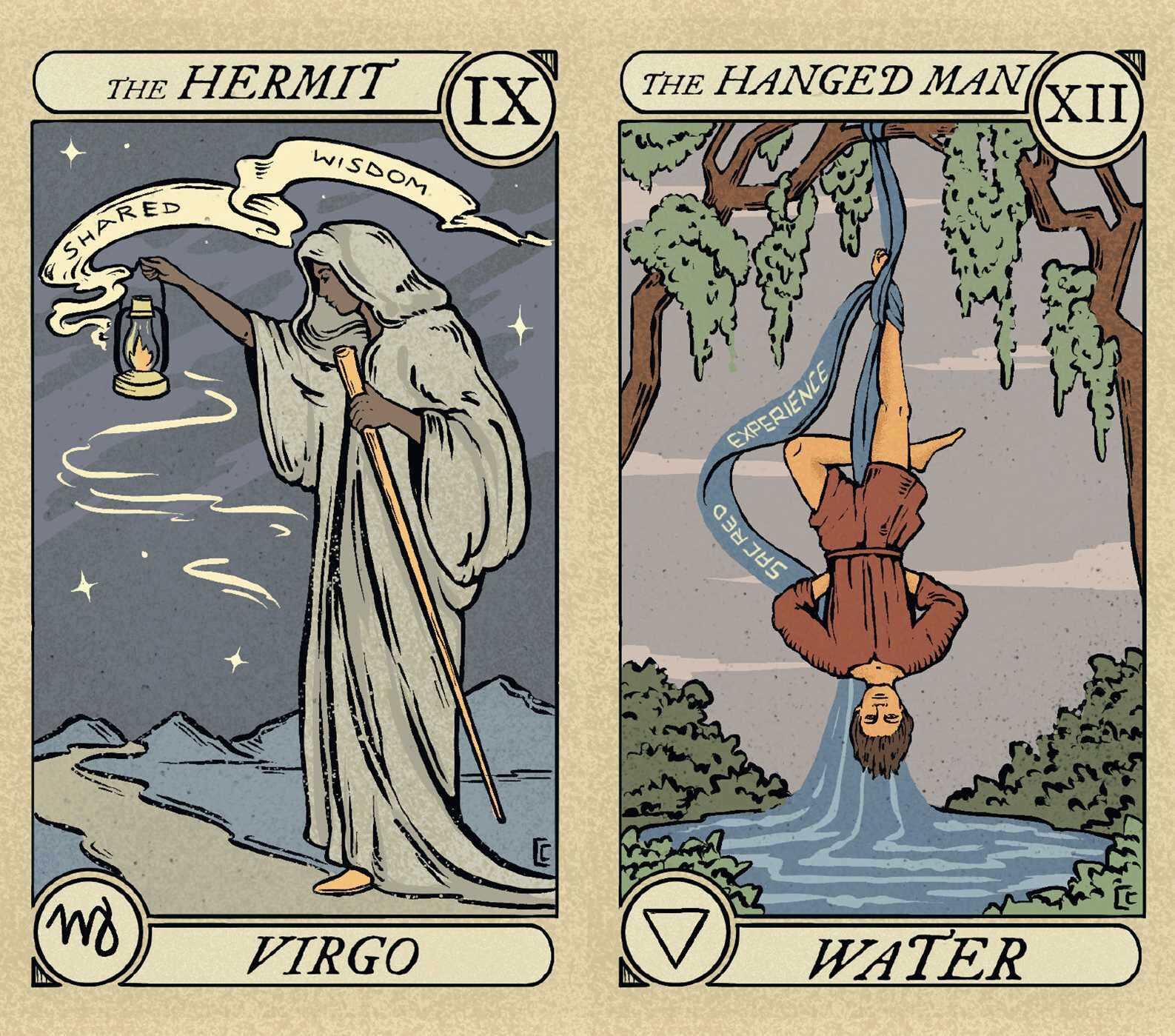
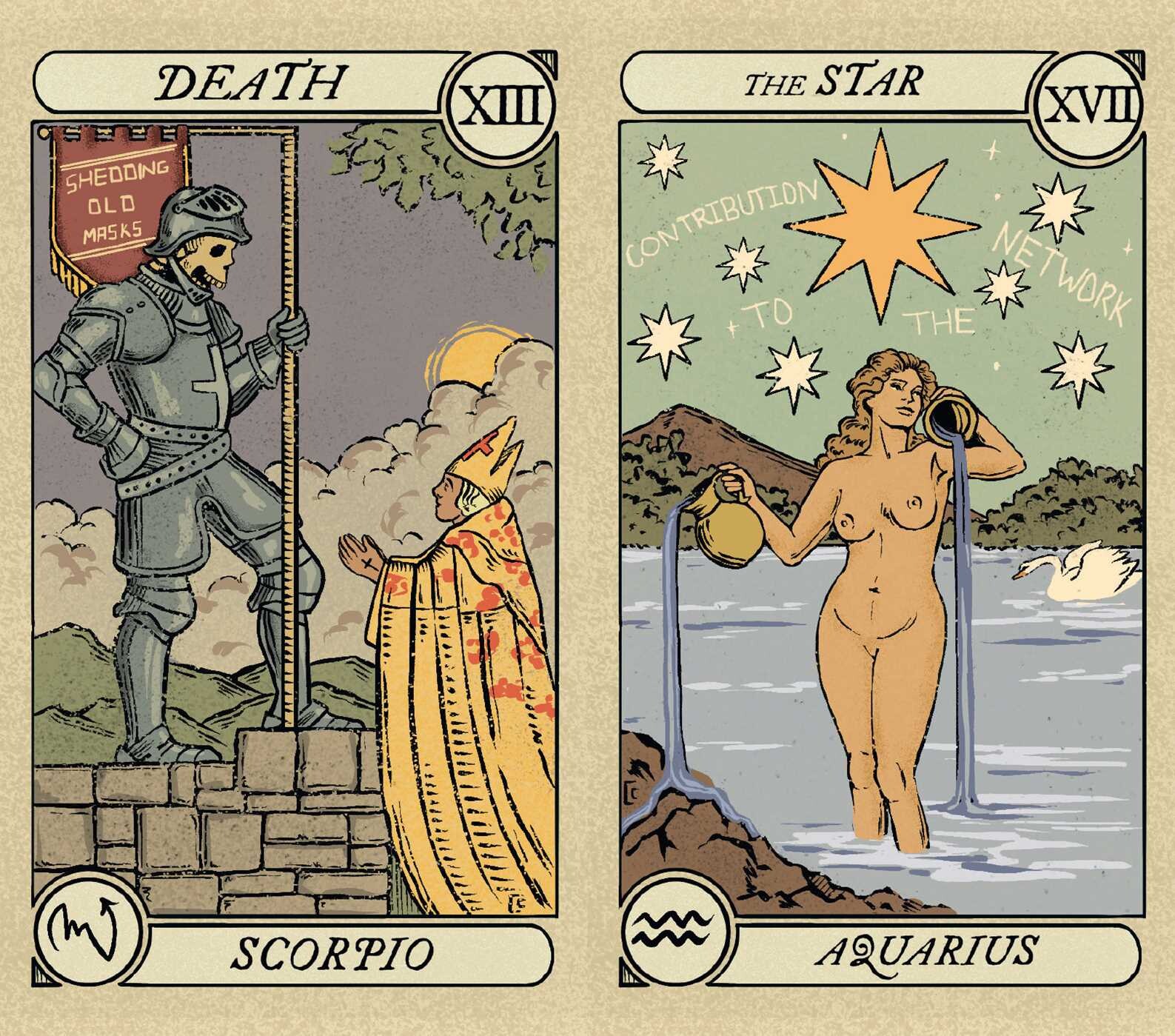
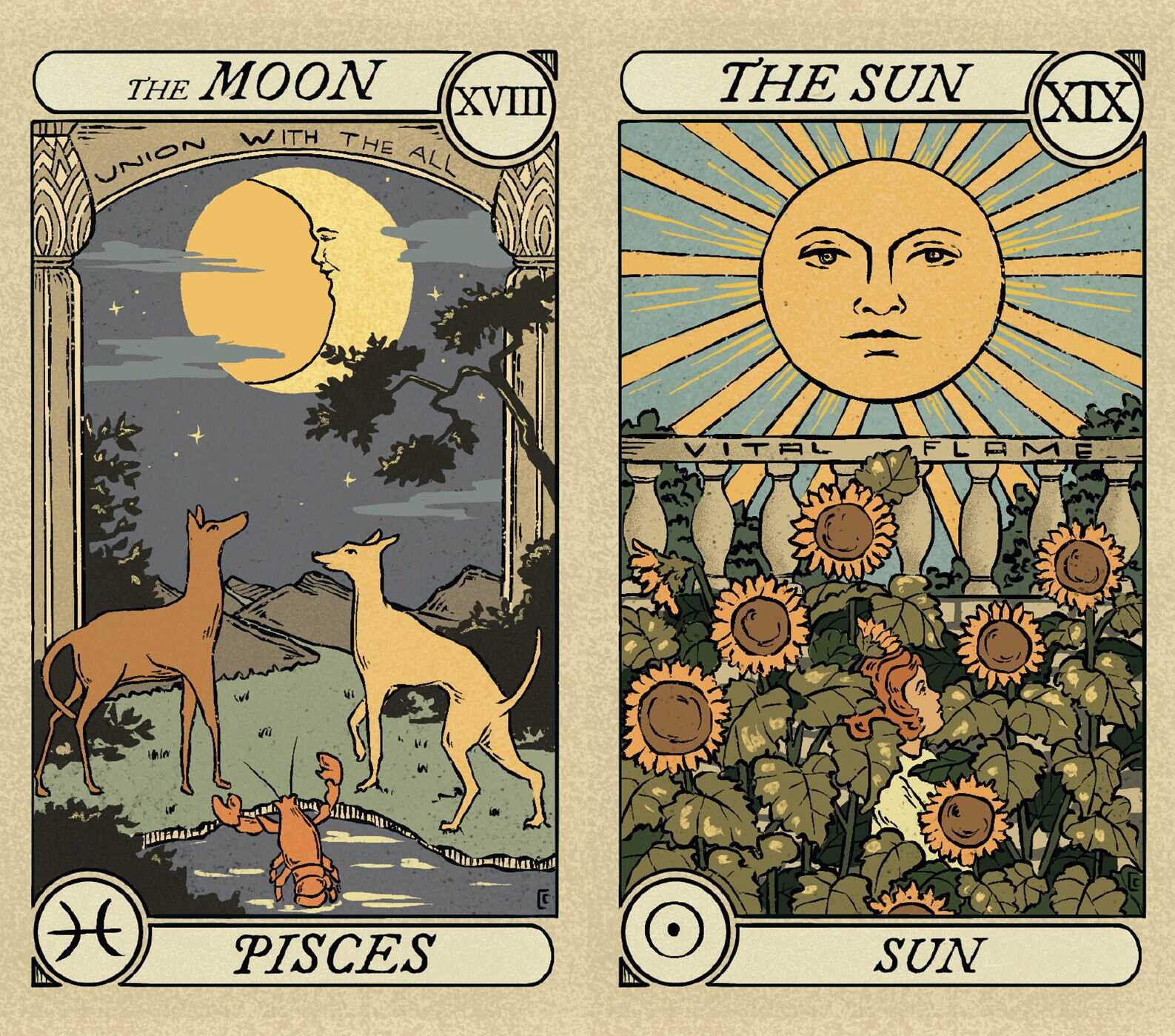
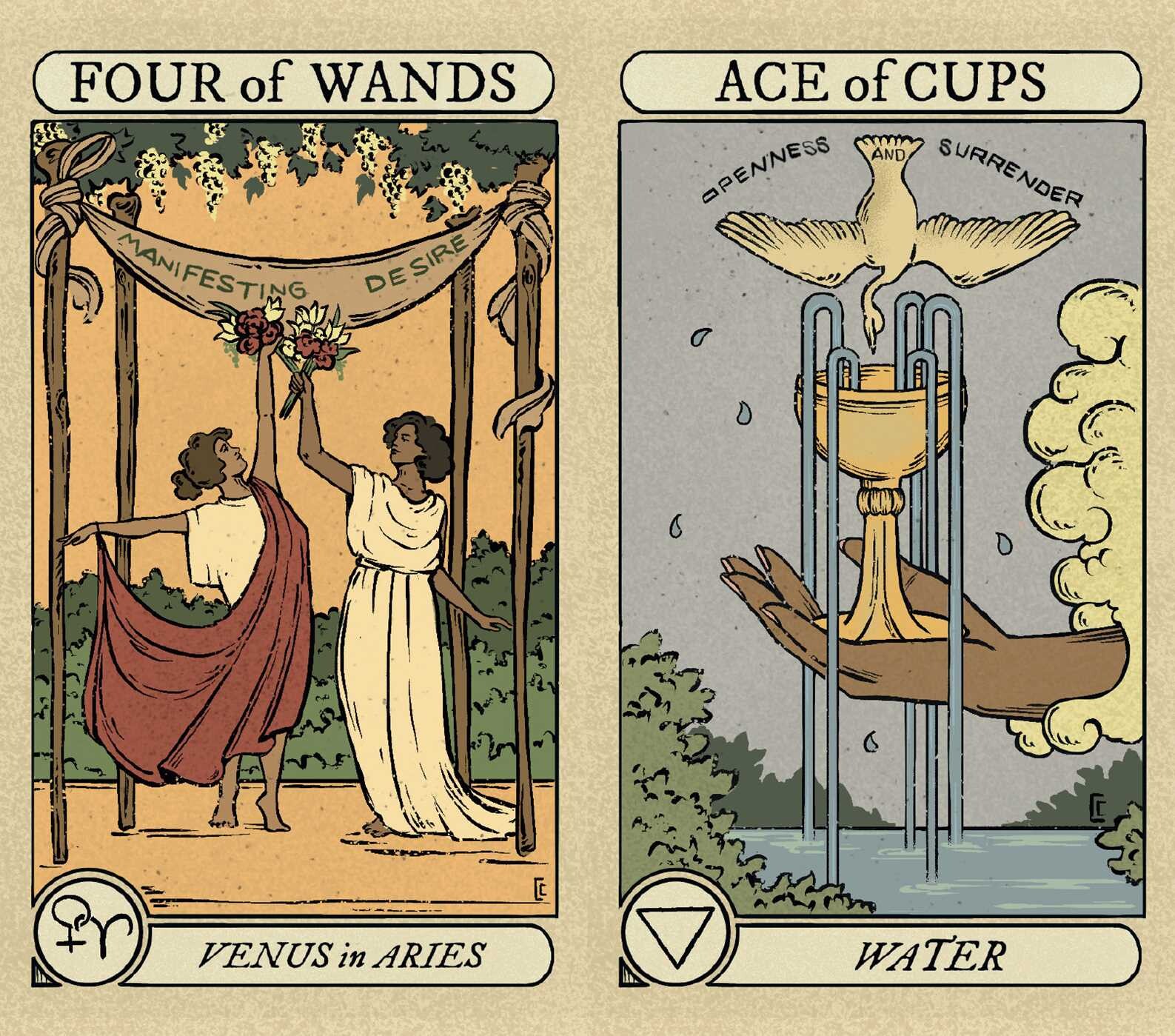
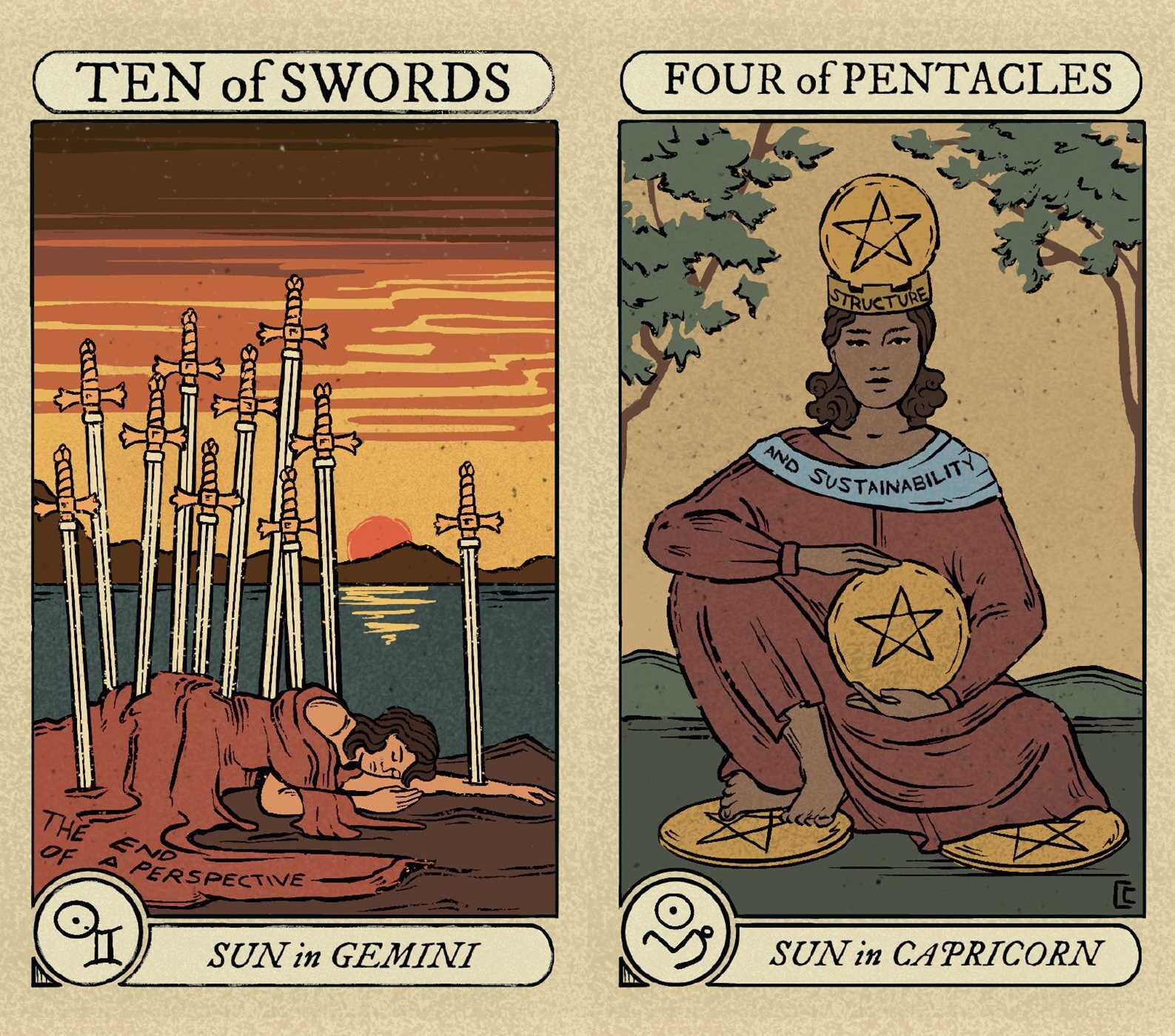
The Rider–Waite–Smith deck was influenced by the Golden Dawn’s system of symbolic connections between the arcana, astrology, and Kabbalah. Using the structure and symbolism of the Rider–Waite–Smith system, astrologer and tarot reader Karen Díaz offers a deck highlighting the Golden Dawn’s original astrological correspondences.
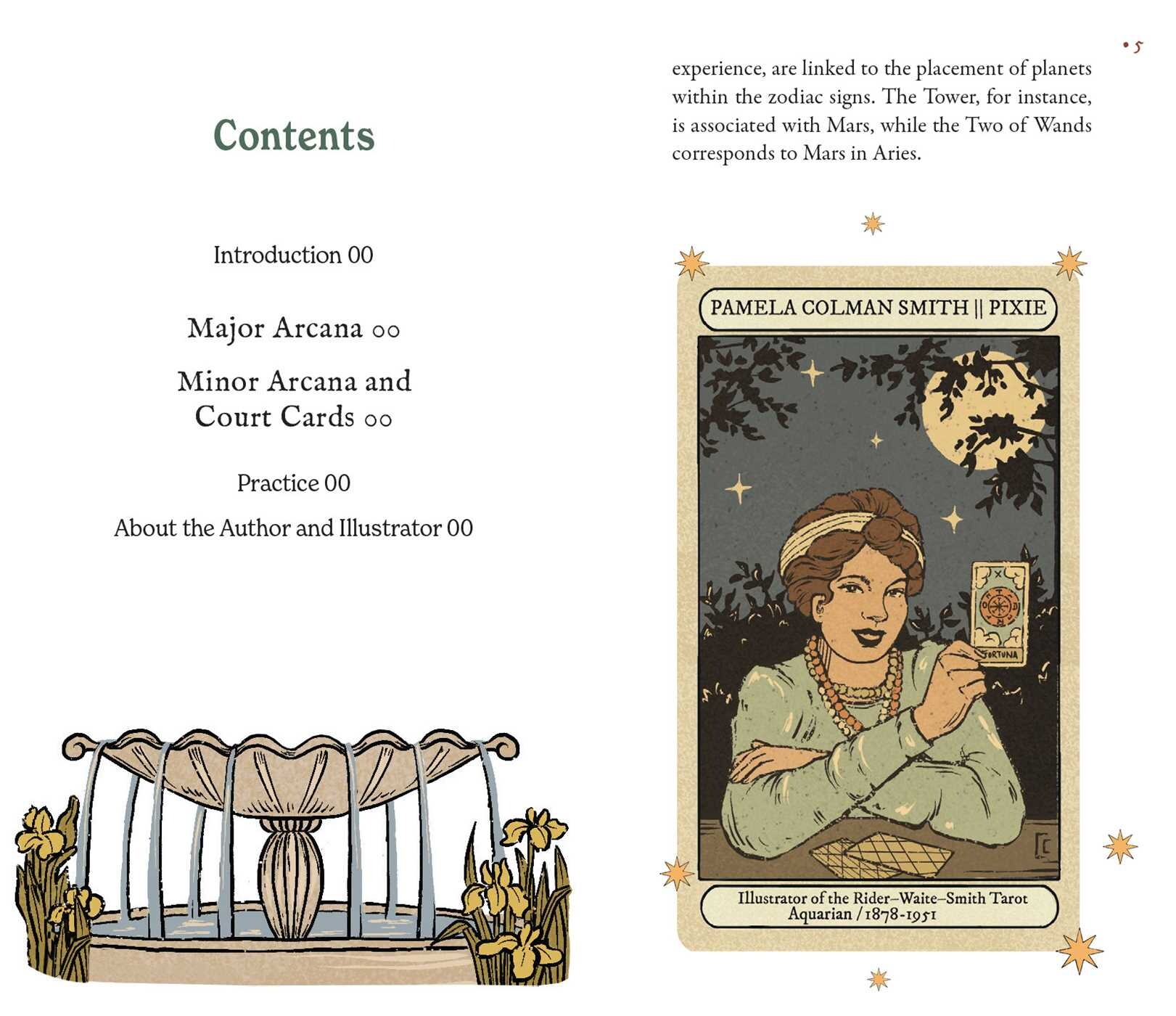
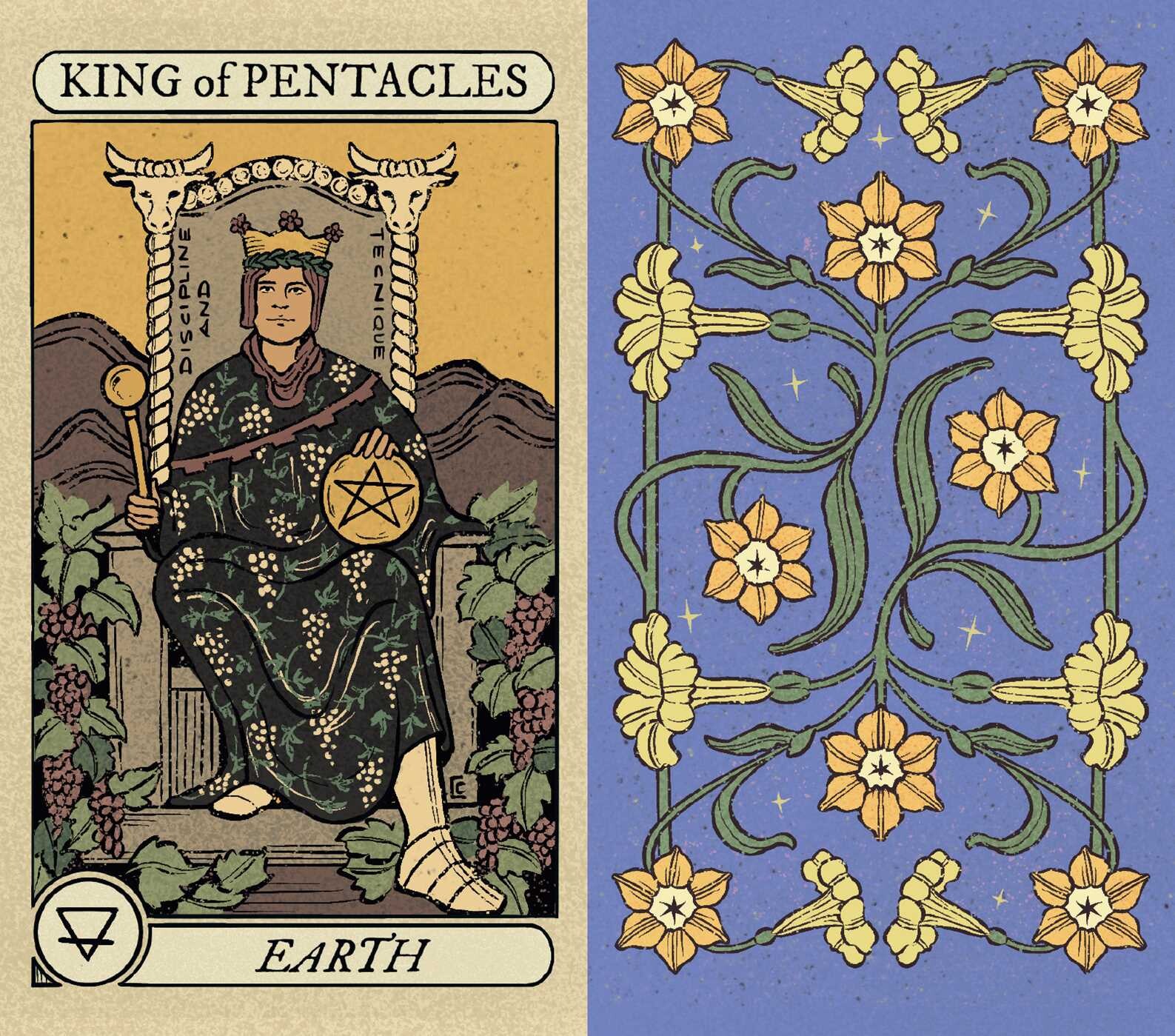
The deck is a tribute to the often-overlooked contributions of Pamela Colman Smith. The illustrations, created by Coni Curi, are based on Smith’s vision. While rooted in the Golden Dawn system, the author invites you to explore these associations for yourself, encouraging a personal and evolving approach to tarot interpretation. Practices are included to support the development of contemplative and comparative skills through single-card and three-card spread practices.
With striking art by Coni Curi, each card includes astrological associations, symbolic analysis, and practical interpretations. Attention is given to the light and shadow aspects of each card. The guide explains the elemental relationships between the four suits, and the planetary and sign-based correspondences for the Major and Minor Arcana.
AstroTarot offers a structured foundation for understanding the interrelation of astrology and tarot and empowers readers to expand and deepen these correspondences.
• Gives astrological correspondences for each card in the tarot, including planets, signs, and elements, as established by the Hermetic Order of the Golden Dawn
• Explains the symbolic meaning, interpretive range, and shadow aspect of each card for more nuanced readings
• Introduces reading practices and examples that support your exploration of contemplative and comparative tarot methods
The Rider–Waite–Smith deck was influenced by the Golden Dawn’s system of symbolic connections between the arcana, astrology, and Kabbalah. Using the structure and symbolism of the Rider–Waite–Smith system, astrologer and tarot reader Karen Díaz offers a deck highlighting the Golden Dawn’s original astrological correspondences.
The deck is a tribute to the often-overlooked contributions of Pamela Colman Smith. The illustrations, created by Coni Curi, are based on Smith’s vision. While rooted in the Golden Dawn system, the author invites you to explore these associations for yourself, encouraging a personal and evolving approach to tarot interpretation. Practices are included to support the development of contemplative and comparative skills through single-card and three-card spread practices.
With striking art by Coni Curi, each card includes astrological associations, symbolic analysis, and practical interpretations. Attention is given to the light and shadow aspects of each card. The guide explains the elemental relationships between the four suits, and the planetary and sign-based correspondences for the Major and Minor Arcana.
AstroTarot offers a structured foundation for understanding the interrelation of astrology and tarot and empowers readers to expand and deepen these correspondences.
Excerpt
Introduction
The History of Tarot
One of the most popular theories suggests that the tarot originated from Eastern playing cards. Historical decrees prohibiting their use confirm that playing cards were already circulating in Europe by the late fourteenth century. Around 1450, the invention of the printing press enabled the widespread production of cards for gaming purposes, but it wasn’t until the eighteenth century that tarot became established as a tool for divination. In nineteenth-century France, occultism emerged as a movement devoted to reclaiming the study of various esoteric disciplines, including card decks.
In 1888, a magical group called the Hermetic Order of the Golden Dawn was founded in Great Britain. Its members dedicated themselves to the study and practice of Hermeticism, occultism, and metaphysics. They delved deeply into the connections between Kabbalah, astrology, and tarot. It was within this tradition that a system of symbolic correspondences was established—one that is still in use today to interlink these three mystical disciplines. Arthur Edward Waite and Pamela Colman Smith were both members of this order. Together, they created the deck we now know as the Rider–Waite–Smith (RWS) Tarot. Pamela was the artist who brought its archetypes to life through illustration.
About AstroTarot
AstroTarot is a tribute to the illustrations of Pamela Colman Smith and seeks to recover the association between the arcana of the tarot and astrology that was established in the RWS deck. For this reason, we honor the numbering, the names, and the arrangement of the suits as proposed by the Hermetic tradition and preserved in that deck.
There is ongoing debate about whether the associations between tarot and astrology follow a coherent logic or are merely arbitrary. Some pairings seem evident—such as the Magician with Mercury—while others may appear more questionable, like Aries with the Emperor. We do not aim to endorse any orthodox theoretical stance. On the contrary, we seek to propose a starting point from which each reader may expand, deepen, or challenge these correspondences.
Astrological Affinities and Working with the Symbol
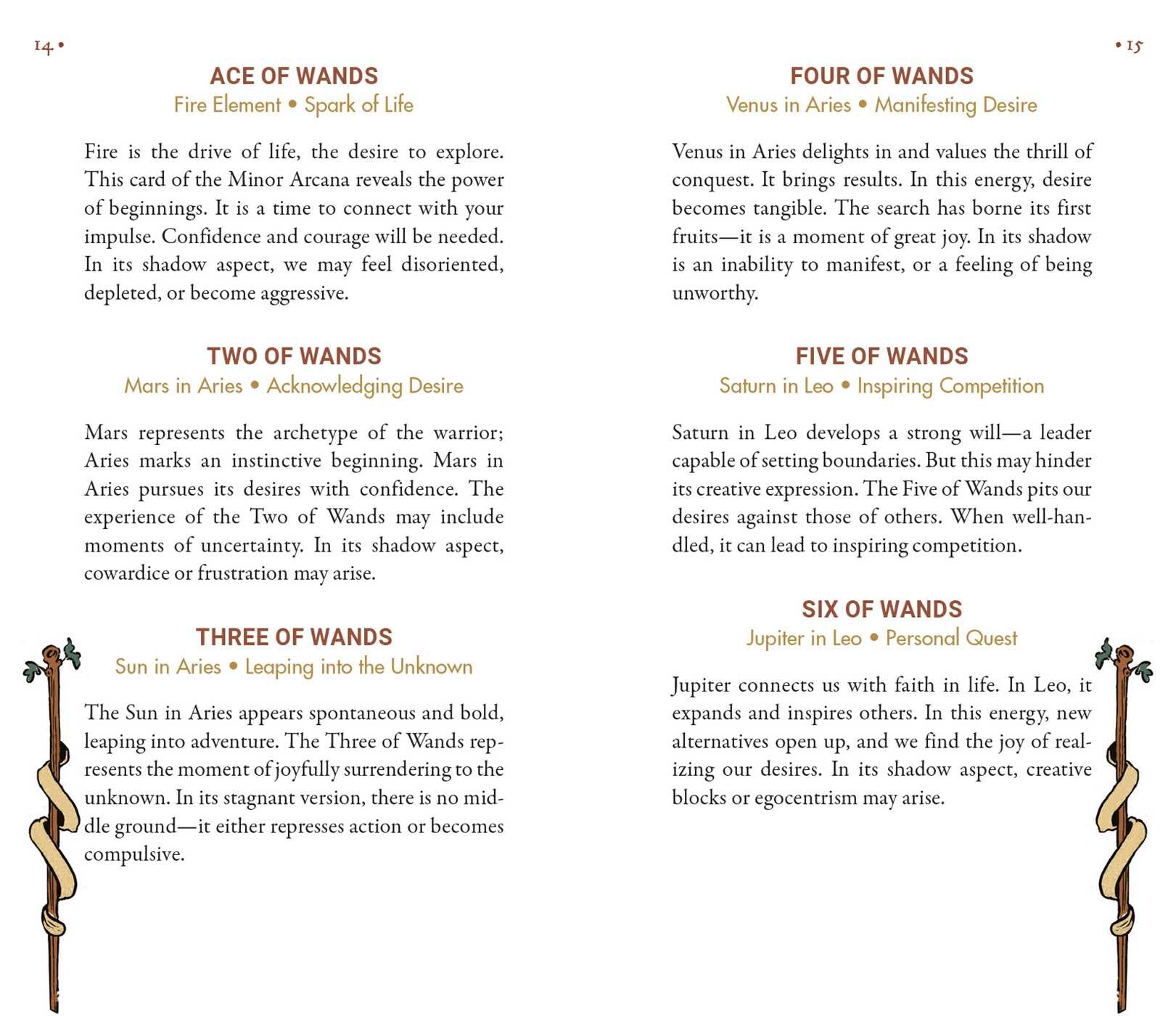
In the astrological affinities established by the Golden Dawn, the Major Arcana—which speak to transcendent and collective dynamics—are associated with planets, signs, and elements. The Minor Arcana, more grounded in earthly experience, are linked to the placement of planets within the zodiac signs. The Tower, for instance, is associated with Mars, while the Two of Wands corresponds to Mars in Aries.
The court cards serve as standard-bearers of the element represented by their suit: fire in Wands, water in Cups, air in Swords, and earth in Pentacles.
One of the core principles of AstroTarot is to resist a reductionist approach that confines the interpretation of each tarot card to a single astrological concept. As stated earlier, we treat the associations promoted by the Golden Dawn as a historical point of reference. We encourage each individual to explore these correspondences and uncover their own mystery within them. The most valuable outcome we can hope for from these connections between astrology and tarot is that they stir our questions, awaken our suspicions, and in doing so, ignite our intuition.
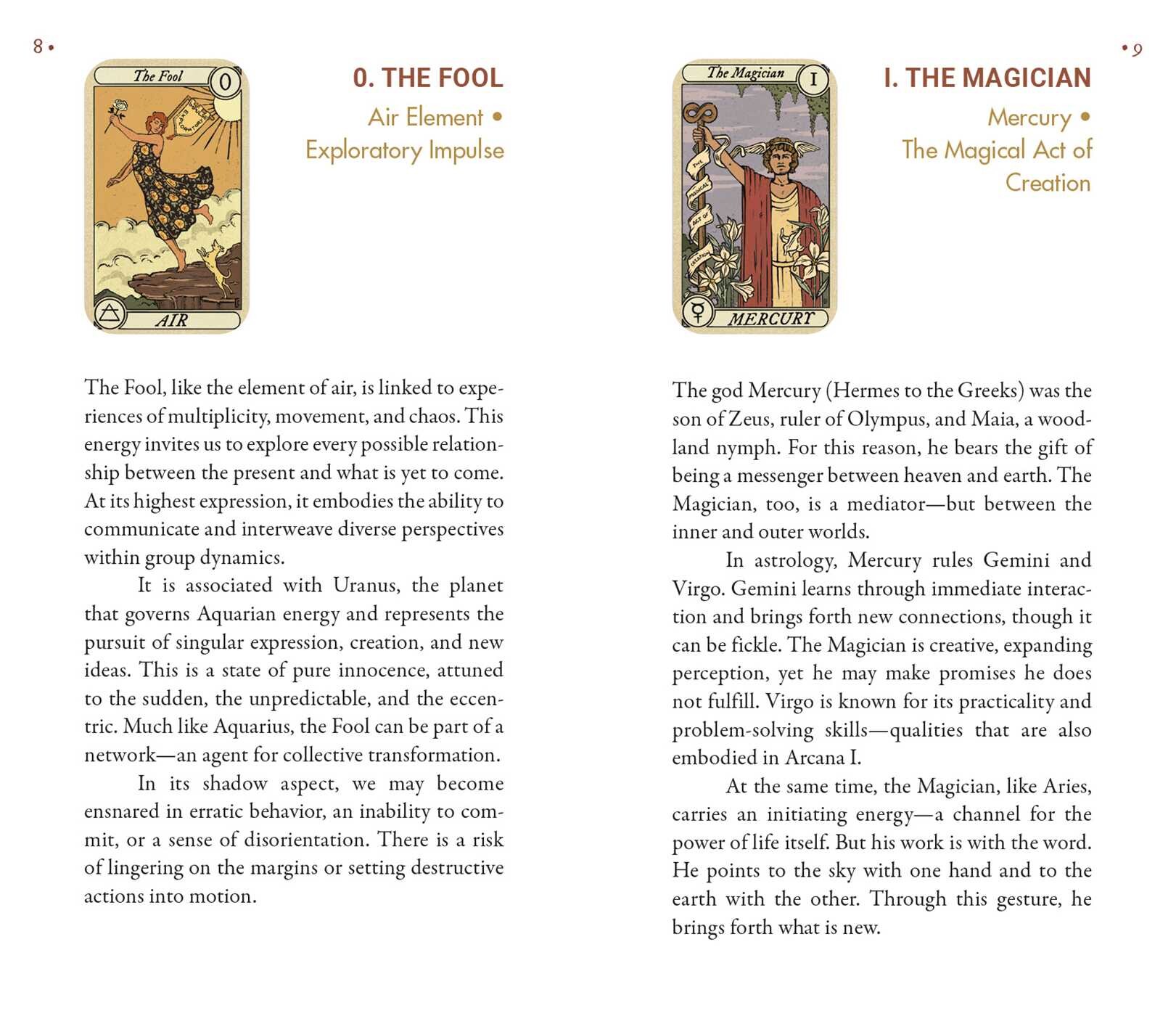
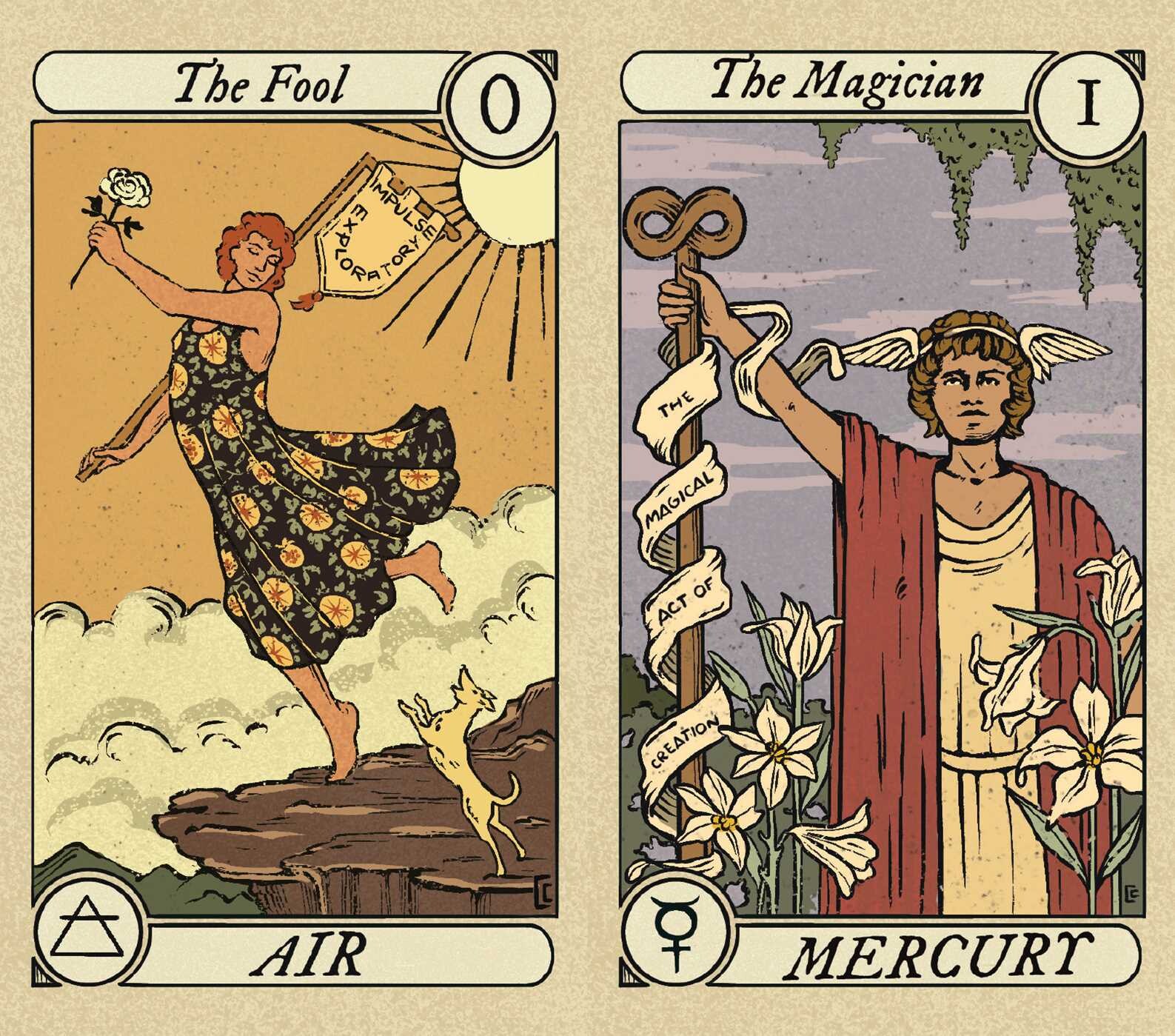
0. THE FOOL
Air • Exploratory Impulse
The Fool, like the element of air, is linked to experiences of multiplicity, movement, and chaos. This energy invites us to explore every possible relationship between the present and what is yet to come. At its highest expression, it embodies the ability to communicate and interweave diverse perspectives within group dynamics.
It is associated with Uranus, the planet that governs Aquarian energy and represents the pursuit of singular expression, creation, and new ideas. This is a state of pure innocence, attuned to the sudden, the unpredictable, and the eccentric. Much like Aquarius, the Fool can be part of a network—an agent for collective transformation.
In its shadow aspect, we may become ensnared in erratic behavior, an inability to commit, or a sense of disorientation. There is a risk of lingering on the margins or setting destructive actions into motion.
I. THE MAGICIAN
Mercury • The Magical Act of Creation
The god Mercury (Hermes to the Greeks) was the son of Zeus, ruler of Olympus, and Maia, a woodland nymph. For this reason, he bears the gift of being a messenger between heaven and earth. The Magician, too, is a mediator—but between the inner and outer worlds.
In astrology, Mercury rules Gemini and Virgo. Gemini learns through immediate interaction and brings forth new connections, though it can be fickle. The Magician is creative, expanding perception, yet he may make promises he does not fulfill. Virgo is known for its practicality and problem-solving skills—qualities that are also embodied in this card.
At the same time, the Magician, like Aries, carries an initiating energy—a channel for the power of life itself. But his work is with the word. He points to the sky with one hand and to the earth with the other. Through this gesture, he brings forth what is new.
II. THE HIGH PRIESTESS
Moon • Contemplate the Mystery of Life
The Moon, which rules Cancer, is linked to the maternal archetype. Like the High Priestess, Cancer speaks to the entrance into material life—the gestation process. It signals the first circle of belonging: the family clan. This allusion to origin can lead to a retreat into the familiar, to resistance, and withdrawal, much like the woman in the card when she appears in her stagnant form.
The High Priestess is also associated with Virgo, who knows how to nourish and works in harmony with nature’s cycles. She patiently accompanies the movements of life. Both archetypes invite a complete surrender to the act of caring. They embrace life’s paradoxes: light and darkness, life and death, good and evil.
Another possible connection is Neptune, which represents the divine and the mysterious within the human experience. In order to access the reflection of the spiritual within the material, one must withdraw. This retreat allows the deep voice within us to rise and be heard.
III. THE EMPRESS
Venus • Fertile Nature
The Empress and Venus surrender to life with passion. They speak to us of fertile nature, springtime, pleasure, and connection. Venus rules over Taurus and Libra. In Taurus, the Empress intuitively understands the organic rhythms of life. She embraces a sensual and conscious sexuality. In its shadow aspect, we may become trapped in comfort and greed.
In Libra, Venus reveals her most charming and diplomatic side. Sociability may be one of her gifts; she is a gracious hostess. Her challenge lies in resisting relationship or beauty standards that do not truly reflect who she is.
When her giving nature becomes excessive, the Empress reflects Venus in Pisces. She may also be associated with Venus in Leo, due to her authenticity and flamboyance. In this case, the risk is that she may seek to impose her own vision upon others.
IV. THE EMPEROR
Aries • Sustaining Beginnings
One is born an emperor—it is a divine design. Like Aries, the first sign of the zodiac, he is a leader. He is also a channel through which energy is brought into tangible form. The number four establishes a structure that brings order, balance, and support. It is also associated with Saturn, which represents the constructive dimension of life.
The Emperor could be envisioned as Saturn in Aries, a configuration that entails great responsibility from a young age, along with the confidence and assertiveness needed to build a structure that ensures well-being. The key is not to repress instinct, lest he become a rigid sovereign.
Mars is the ruler of Aries—the warrior who acts from desire. Both Mars and the Emperor reach their fullest expression through the energy of Capricorn, with the discipline and willpower to manifest their goals.
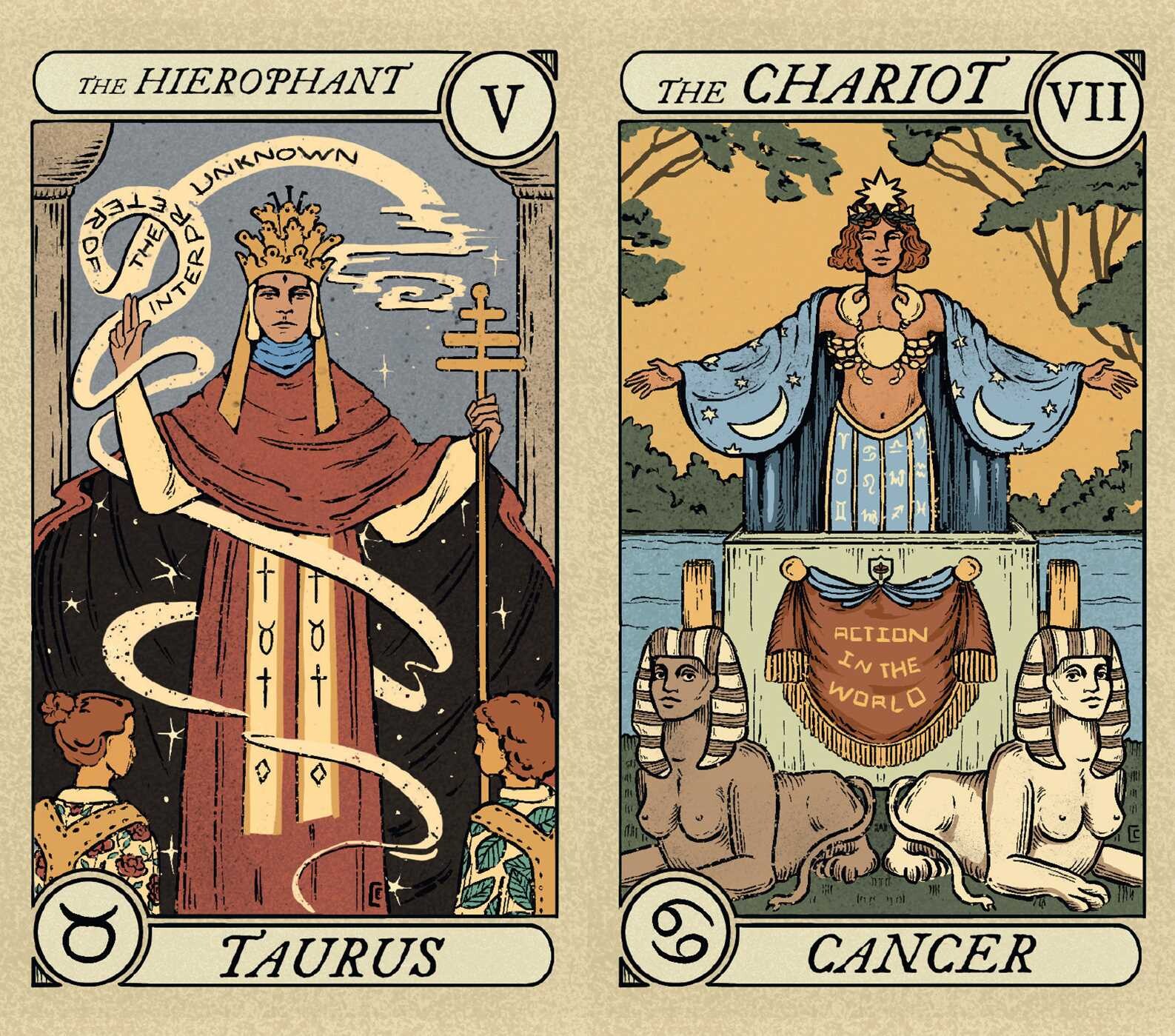
V. THE HIEROPHANT
Taurus • Interpreter of the Unknown
Taurus is the first connection to the material experience. It transmits the values and judgments necessary for the existence of form and life itself. The Hierophant represents the figure of one who imparts doctrine, like a teacher. Just like Taurus, this figure may also manifest rigidity, stubbornness, and a clinging to conservative narratives.
The fifth card of the Major Arcana is a communicator—a bridge between heaven and earth, an interpreter of the unknown. As with Sagittarius, he knows there is something beyond what the eyes can see, and he seeks that truth. Jupiter, ruler of Sagittarius, is the planet that connects us to faith. Like the Hierophant, it proclaims utopias worth surrendering ourselves to.
The challenge of this card is to avoid fanaticism, the abuse of power, and the presumption of an absolute truth.
The History of Tarot
One of the most popular theories suggests that the tarot originated from Eastern playing cards. Historical decrees prohibiting their use confirm that playing cards were already circulating in Europe by the late fourteenth century. Around 1450, the invention of the printing press enabled the widespread production of cards for gaming purposes, but it wasn’t until the eighteenth century that tarot became established as a tool for divination. In nineteenth-century France, occultism emerged as a movement devoted to reclaiming the study of various esoteric disciplines, including card decks.
In 1888, a magical group called the Hermetic Order of the Golden Dawn was founded in Great Britain. Its members dedicated themselves to the study and practice of Hermeticism, occultism, and metaphysics. They delved deeply into the connections between Kabbalah, astrology, and tarot. It was within this tradition that a system of symbolic correspondences was established—one that is still in use today to interlink these three mystical disciplines. Arthur Edward Waite and Pamela Colman Smith were both members of this order. Together, they created the deck we now know as the Rider–Waite–Smith (RWS) Tarot. Pamela was the artist who brought its archetypes to life through illustration.
About AstroTarot
AstroTarot is a tribute to the illustrations of Pamela Colman Smith and seeks to recover the association between the arcana of the tarot and astrology that was established in the RWS deck. For this reason, we honor the numbering, the names, and the arrangement of the suits as proposed by the Hermetic tradition and preserved in that deck.
There is ongoing debate about whether the associations between tarot and astrology follow a coherent logic or are merely arbitrary. Some pairings seem evident—such as the Magician with Mercury—while others may appear more questionable, like Aries with the Emperor. We do not aim to endorse any orthodox theoretical stance. On the contrary, we seek to propose a starting point from which each reader may expand, deepen, or challenge these correspondences.
Astrological Affinities and Working with the Symbol
In the astrological affinities established by the Golden Dawn, the Major Arcana—which speak to transcendent and collective dynamics—are associated with planets, signs, and elements. The Minor Arcana, more grounded in earthly experience, are linked to the placement of planets within the zodiac signs. The Tower, for instance, is associated with Mars, while the Two of Wands corresponds to Mars in Aries.
The court cards serve as standard-bearers of the element represented by their suit: fire in Wands, water in Cups, air in Swords, and earth in Pentacles.
One of the core principles of AstroTarot is to resist a reductionist approach that confines the interpretation of each tarot card to a single astrological concept. As stated earlier, we treat the associations promoted by the Golden Dawn as a historical point of reference. We encourage each individual to explore these correspondences and uncover their own mystery within them. The most valuable outcome we can hope for from these connections between astrology and tarot is that they stir our questions, awaken our suspicions, and in doing so, ignite our intuition.
0. THE FOOL
Air • Exploratory Impulse
The Fool, like the element of air, is linked to experiences of multiplicity, movement, and chaos. This energy invites us to explore every possible relationship between the present and what is yet to come. At its highest expression, it embodies the ability to communicate and interweave diverse perspectives within group dynamics.
It is associated with Uranus, the planet that governs Aquarian energy and represents the pursuit of singular expression, creation, and new ideas. This is a state of pure innocence, attuned to the sudden, the unpredictable, and the eccentric. Much like Aquarius, the Fool can be part of a network—an agent for collective transformation.
In its shadow aspect, we may become ensnared in erratic behavior, an inability to commit, or a sense of disorientation. There is a risk of lingering on the margins or setting destructive actions into motion.
I. THE MAGICIAN
Mercury • The Magical Act of Creation
The god Mercury (Hermes to the Greeks) was the son of Zeus, ruler of Olympus, and Maia, a woodland nymph. For this reason, he bears the gift of being a messenger between heaven and earth. The Magician, too, is a mediator—but between the inner and outer worlds.
In astrology, Mercury rules Gemini and Virgo. Gemini learns through immediate interaction and brings forth new connections, though it can be fickle. The Magician is creative, expanding perception, yet he may make promises he does not fulfill. Virgo is known for its practicality and problem-solving skills—qualities that are also embodied in this card.
At the same time, the Magician, like Aries, carries an initiating energy—a channel for the power of life itself. But his work is with the word. He points to the sky with one hand and to the earth with the other. Through this gesture, he brings forth what is new.
II. THE HIGH PRIESTESS
Moon • Contemplate the Mystery of Life
The Moon, which rules Cancer, is linked to the maternal archetype. Like the High Priestess, Cancer speaks to the entrance into material life—the gestation process. It signals the first circle of belonging: the family clan. This allusion to origin can lead to a retreat into the familiar, to resistance, and withdrawal, much like the woman in the card when she appears in her stagnant form.
The High Priestess is also associated with Virgo, who knows how to nourish and works in harmony with nature’s cycles. She patiently accompanies the movements of life. Both archetypes invite a complete surrender to the act of caring. They embrace life’s paradoxes: light and darkness, life and death, good and evil.
Another possible connection is Neptune, which represents the divine and the mysterious within the human experience. In order to access the reflection of the spiritual within the material, one must withdraw. This retreat allows the deep voice within us to rise and be heard.
III. THE EMPRESS
Venus • Fertile Nature
The Empress and Venus surrender to life with passion. They speak to us of fertile nature, springtime, pleasure, and connection. Venus rules over Taurus and Libra. In Taurus, the Empress intuitively understands the organic rhythms of life. She embraces a sensual and conscious sexuality. In its shadow aspect, we may become trapped in comfort and greed.
In Libra, Venus reveals her most charming and diplomatic side. Sociability may be one of her gifts; she is a gracious hostess. Her challenge lies in resisting relationship or beauty standards that do not truly reflect who she is.
When her giving nature becomes excessive, the Empress reflects Venus in Pisces. She may also be associated with Venus in Leo, due to her authenticity and flamboyance. In this case, the risk is that she may seek to impose her own vision upon others.
IV. THE EMPEROR
Aries • Sustaining Beginnings
One is born an emperor—it is a divine design. Like Aries, the first sign of the zodiac, he is a leader. He is also a channel through which energy is brought into tangible form. The number four establishes a structure that brings order, balance, and support. It is also associated with Saturn, which represents the constructive dimension of life.
The Emperor could be envisioned as Saturn in Aries, a configuration that entails great responsibility from a young age, along with the confidence and assertiveness needed to build a structure that ensures well-being. The key is not to repress instinct, lest he become a rigid sovereign.
Mars is the ruler of Aries—the warrior who acts from desire. Both Mars and the Emperor reach their fullest expression through the energy of Capricorn, with the discipline and willpower to manifest their goals.
V. THE HIEROPHANT
Taurus • Interpreter of the Unknown
Taurus is the first connection to the material experience. It transmits the values and judgments necessary for the existence of form and life itself. The Hierophant represents the figure of one who imparts doctrine, like a teacher. Just like Taurus, this figure may also manifest rigidity, stubbornness, and a clinging to conservative narratives.
The fifth card of the Major Arcana is a communicator—a bridge between heaven and earth, an interpreter of the unknown. As with Sagittarius, he knows there is something beyond what the eyes can see, and he seeks that truth. Jupiter, ruler of Sagittarius, is the planet that connects us to faith. Like the Hierophant, it proclaims utopias worth surrendering ourselves to.
The challenge of this card is to avoid fanaticism, the abuse of power, and the presumption of an absolute truth.
About the Illustrator
Coni Curi is an illustrator, graphic artist, and influencer with a deep interest in esotericism. She lives in Valencia, Spain.
Product Details
- Publisher: Destiny Books (December 22, 2026)
- Length: 56 pages
- ISBN13: 9798888505120
Browse Related Books
Resources and Downloads
High Resolution Images
-
Book Cover Image (jpg): AstroTarot
Cards 9798888505120