Plus, receive recommendations and exclusive offers on all of your favorite books and authors from Simon & Schuster.
Published by Prometheus
Distributed by Simon & Schuster
LIST PRICE $32.95
PRICE MAY VARY BY RETAILER
Get 20% off with code COZY26 plus free shipping on orders of $40 or more. Discount on physical products only. Terms apply.
Buy from Other Retailers
Table of Contents
About the Book
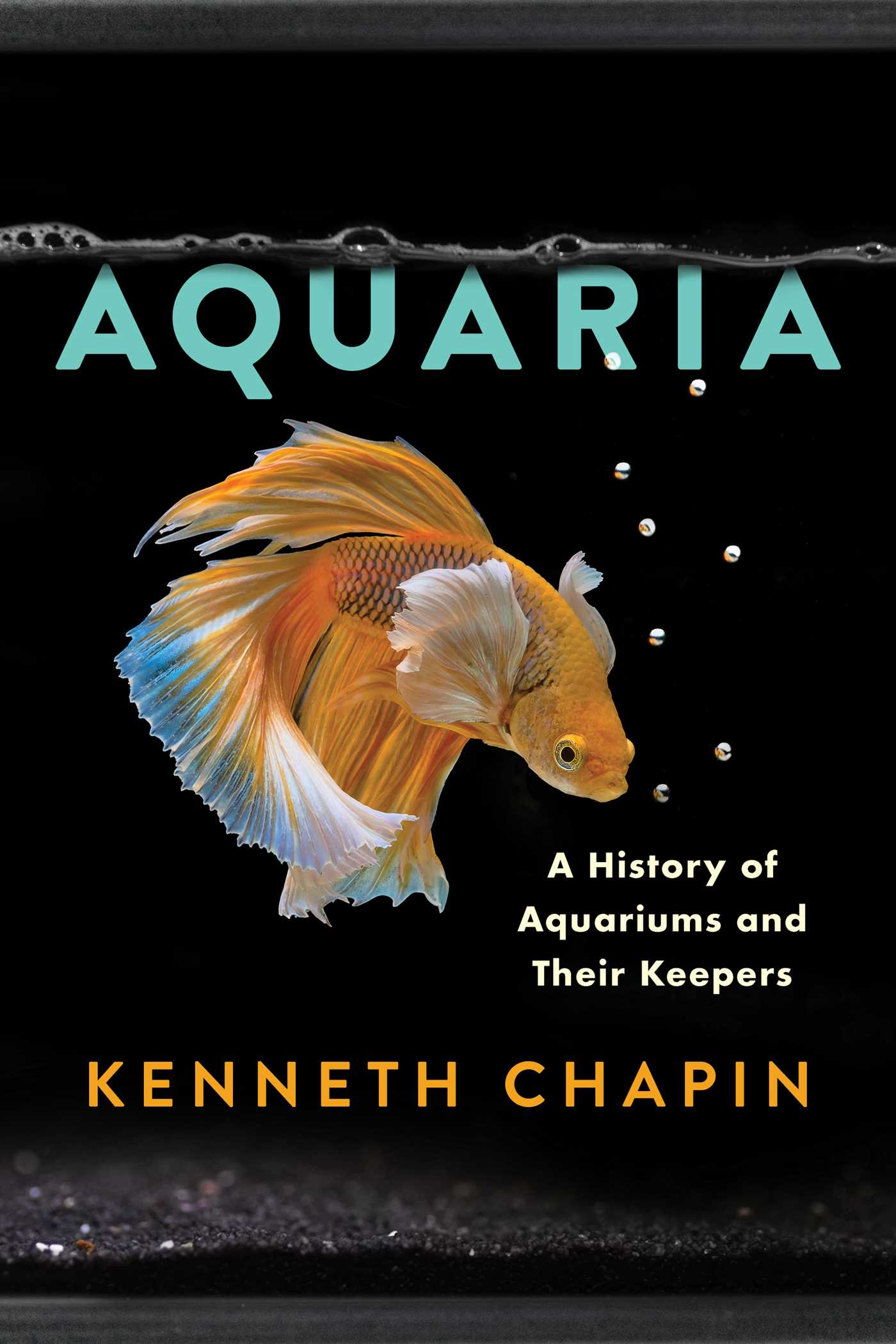
From the moment that humans began settling along rivers, our relationship with fish became far more complex than simply predator-versus-prey. Yes, we caught and ate them—but since prehistory we cultivated artificial habitats, both functional and ornamental for them, bred them, fought them, studied them, and traded them like jewels. Aquaria is the story of how exotic fish species from across the world came to be available at your local pet store for the price of a latte, a story that spans continents and millennia; the adventures of explorers, smugglers, scientists, and hobbyists; and the most important and influential species of fish from across the globe. It’s the story of how a single specimen of the Neon Tetra logged on the Hindenburg’s penultimate flight led to a mad scramble by explorers to discover its location in the Amazon; how the zebrafish become the first-ever cloned vertebrate, a breakthrough that changed the course of disease research the world over; and how the goldfish, once an ornament available only to Chinese aristocracy, succumbed to the forces of a globalized economy to become a commodity so cheap the federal government gave them away for free.
In the same way that microscopes revealed the world of cells to us or telescopes offered a new and transformational view of the stars, the advent of the aquarium offered a radically different window into aqueous life. Aquarium fish have played key roles in breakthroughs in research on cancer, neural disease, anesthesia and more. Scientists now use aquarium fish to understand the effects of climate change, how invasive species spread, and how organisms of an ecosystem function together or fall apart. Aquariums are how we know about the symbiosis of coral, the behavior of viruses in our tap water, and even complex ecosystems like that of the Amazon Rainforest.
The history of fishkeeping is the essential history of our evolving understanding of the natural world. Featuring riveting adventure storytelling, fascinating portraits of aquarium pioneers, and the latest research in natural science, biologist Kenneth Chapin reveals the wonder of aqueous life and our responsibility toward it, grappled with by aristocrats and explorers of centuries past all the way down to children seeing a whole world in a tank for the first time.
Product Details
- Publisher: Prometheus (August 3, 2027)
- Length: 272 pages
- ISBN13: 9781493096107
Browse Related Books
Resources and Downloads
High Resolution Images
-
Book Cover Image (jpg): Aquaria
Hardcover 9781493096107