

Plus, receive recommendations and exclusive offers on all of your favorite books and authors from Simon & Schuster.
0:00 /
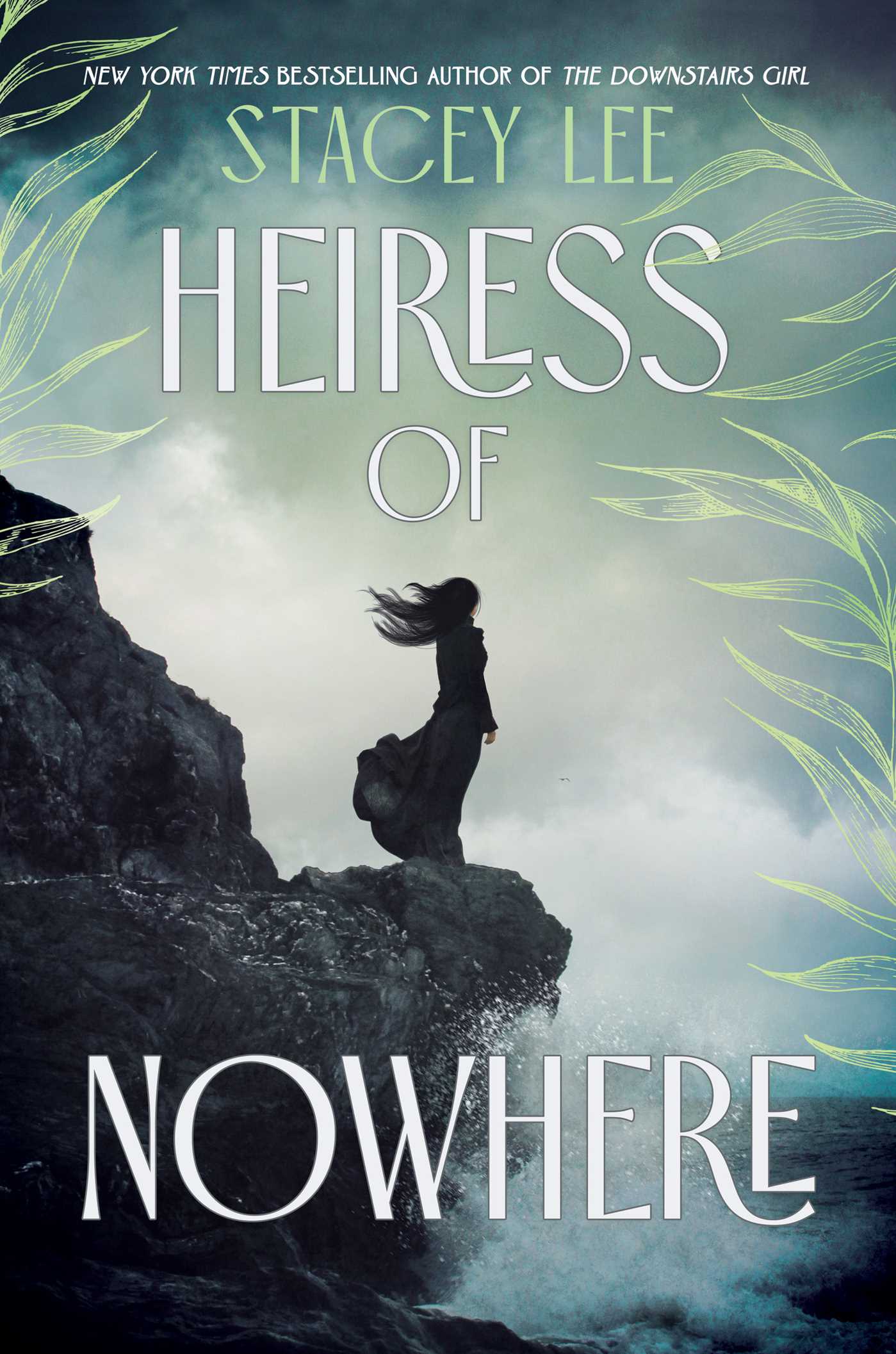
Heiress of Nowhere
By Stacey Lee
LIST PRICE $19.99
PRICE MAY VARY BY RETAILER
Get 20% off with code FALL26 plus free shipping on orders of $40 or more. Discount on physical products only. Terms apply.
Buy from Other Retailers
Table of Contents
About the Book
Four starred reviews!
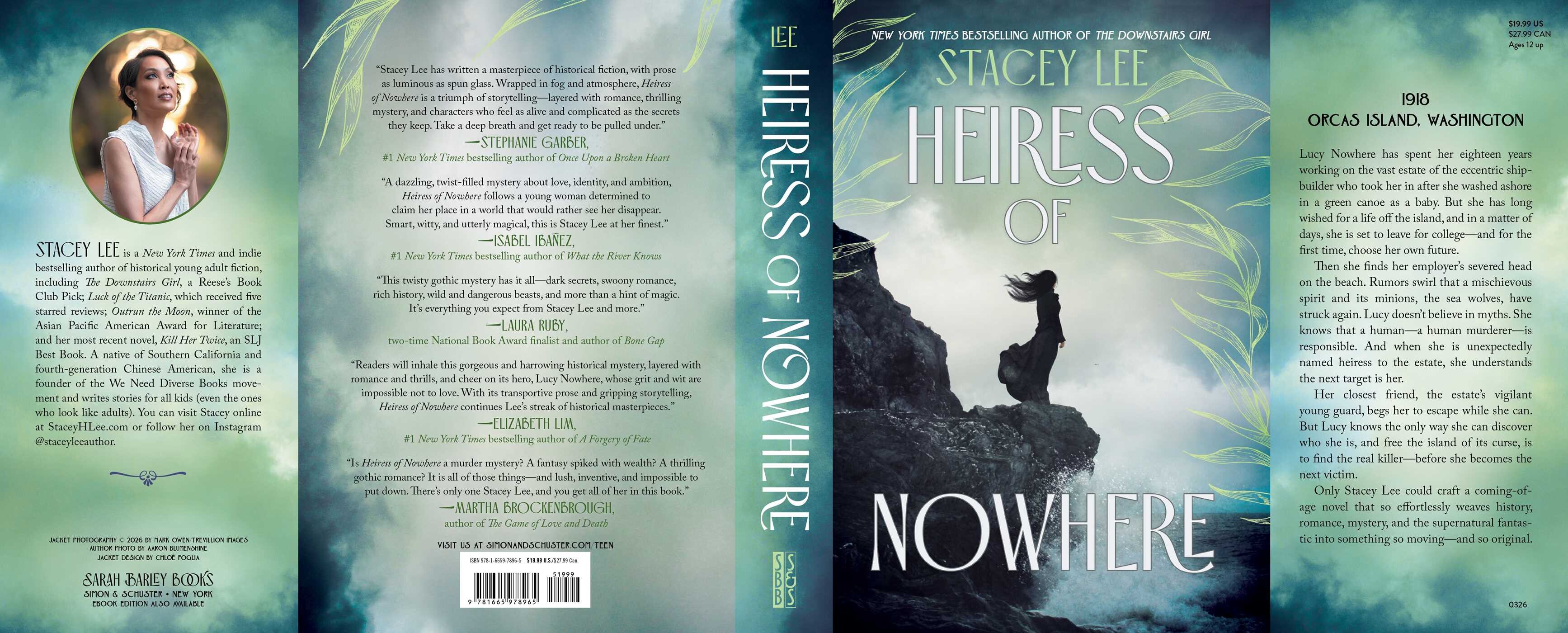
An orphaned teen races to uncover a killer—who may have come from the sea—when she and her beloved orcas fall under suspicion in this “dark, vibrant, and thrilling adventure” (BookPage, starred review) and historical gothic mystery from the New York Times bestselling author of The Downstairs Girl, Stacey Lee.
1918. Orcas Island, Washington.
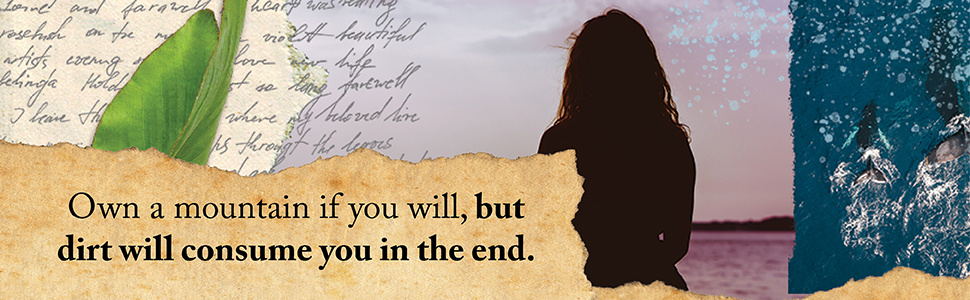
Lucy Nowhere has spent her eighteen years working on the vast estate of the eccentric shipbuilder who took her in after she washed ashore in a green canoe as a baby. But she has long wished for a life off the island, and in a matter of days, she is set to leave for college—and, for the first time, choose her own future.
Then she finds her employer’s severed head on the beach. Rumors swirl that a mischievous spirit and its minions, the sea wolves, have struck again. Lucy doesn’t believe in myths. She knows that a human—a human murderer—killed him. And when she is unexpectedly named heiress to the estate, she understands the next target is her.
Her closest friend, the estate’s vigilant young guard, begs her to escape while she can. But Lucy knows the only way she can discover who she is, and free the island of its curse, is to find the real killer—before she becomes the next victim.
An orphaned teen races to uncover a killer—who may have come from the sea—when she and her beloved orcas fall under suspicion in this “dark, vibrant, and thrilling adventure” (BookPage, starred review) and historical gothic mystery from the New York Times bestselling author of The Downstairs Girl, Stacey Lee.
1918. Orcas Island, Washington.
Lucy Nowhere has spent her eighteen years working on the vast estate of the eccentric shipbuilder who took her in after she washed ashore in a green canoe as a baby. But she has long wished for a life off the island, and in a matter of days, she is set to leave for college—and, for the first time, choose her own future.
Then she finds her employer’s severed head on the beach. Rumors swirl that a mischievous spirit and its minions, the sea wolves, have struck again. Lucy doesn’t believe in myths. She knows that a human—a human murderer—killed him. And when she is unexpectedly named heiress to the estate, she understands the next target is her.
Her closest friend, the estate’s vigilant young guard, begs her to escape while she can. But Lucy knows the only way she can discover who she is, and free the island of its curse, is to find the real killer—before she becomes the next victim.
Excerpt
Chapter 1 CHAPTER 1
Some say the sight of a killer whale, with its black shroud and ghost-white eye patches can stop an animal’s heart mid-beat. That the sea wolves are agents of the demon Orkus, zealously guarding the mysterious Parish Isle off the southern tip of our Orcas Island.
People whisper these things as if they were fact.
I tell myself they are only stories.
I am scrawling Wednesday, August 14, 1918, on my sketch pad when not forty feet away a queen of the sea pokes her head out of the East Sound and ogles me. My dugout slides back a few yards, sending my pencils clattering.
Terror floods me. My throat cinches shut, my hands slip against the paddle.
It is Shadow, with her gray saddle patch. She bridged the half mile between us frighteningly fast. From weeks spent trying to draw her, I know her to be a behemoth, twice as long as my canoe, with the heft of a six-ton armored tank. Her hide gleams like a piece of the sea itself, sunlight breaking across her back as if on stone.
I jam my sketch pad into my leather satchel, and something else splashes behind me. Another dark shape surfaces, dorsal fin flopped to one side like a cowlick. Shadow’s daughter, Scull.
I grip the sides of the canoe, my feet skidding across my pencils.
Shadow shoots me a baleful look, then slips below the surface.
“Huh…” My breath stumbles out of me. I fumble my paddle, feeling trapped in this mile-wide watery corridor, which sits between the two main legs of Orcas Island.
Koa always said I had a death wish. Everyone knows to keep your canoes out of the sound when the killer whales are roaming, especially in summer when the salmon swarm. But the salmon haven’t come. And out here, away from the grand yet suffocating estate of Nowhere, the island teems with color and life. Life that may wish to devour me.
Paddling furiously, I scramble toward the shore at least a thousand feet away, holding my breath. Scull rolls beside me, porpoising as if to play.
Go back, little one, before your mother tears me apart.
No one comes between a mother and her young.
Still no sign of Shadow. She could surge from the depths at any moment, overturn me, drag me into waters cold enough to freeze my blood. Then it would be over for Lucy Nowhere, before she’d ever stepped a toe into the world.
The ocean begins to tremble, and I look wildly around.
Shadow erupts like a volcano from my other side, a raspy haah thundering from her blowhole. Spray blinds me. My canoe rocks violently, a cork in a tidal wave. Languid and menacing, she glides alongside me, so close my paddle could touch the white scars etched into her flank.
My breath wings in and out, and the sickening memory of the seal head found on the beach two weeks ago churns my stomach. Rumors flew that someone had ventured too close to Parish Isle. That the Orkus had sent its sea-wolf minions to leave the severed head as a warning—stay away, or end up like the cannery worker slain the year I was born.
And here I am alone, dangling myself like a worm on a hook.
“I—I’ve been told I have a head made of cast iron,” I babble. “Might give you indigestion.”
Another loud breath erupts from Shadow’s blowhole, baptizing me with a mist that throws a rainbow in the sky.
“Well, you are magnificent,” I murmur.
My neck has begun to warm. I rub at the spot above my collarbone where the purplish whale-shaped blotch lies hidden beneath my kerchief. The mark of the devil, some call it. It has never flared like this before.
Time stretches thin. Shadow’s flipper rises, ribbons of water cascading down.
I close my eyes, bracing for the blow.
But the touch is gentle—a shove, almost a caress. My canoe glides toward the shore. Scull darts to her mother, bumping her playfully.
A giddy laugh nearly splits me in two. The underworld has measured me—and declined its claim. At least for today.
As my vessel quietly retreats, the stories of my arrival here float to mind. I drifted in on a green canoe, a mysterious baby still with her umbilical cord attached, no clue to my origins.
On a warm summer day a dozen years ago, my six-year-old self tried to board a ferry, hoping to find my parents. A man whom I had come to know as Mr. Dakon Sanders sat me down in a garden that faced the sea. “Lucy, your parents are gone, and they will not be coming back.”
Not quite understanding, I glanced up at his profile with its sharp cheekbones and generous outcropping of a nose. He smelled of cigars and pine needles.
His tongue clucked at my confusion. “They are gone, and that is that. But you are a strong girl. See that tree?” He nodded at a slender evergreen with red bark, a few feet taller than me. “Pacific madrone, one of the most beautiful trees here in the Pacific Northwest. That one’s six years old, just like you. Madrones are resilient. They always find the light, even if it means growing a little crooked. That’s why you’re named Lucy, for ‘light.’?”
No, I don’t have a death wish.
Maybe I just crave a family. Nowhere is the only home I remember, but it is not my home.
Some say the sight of a killer whale, with its black shroud and ghost-white eye patches can stop an animal’s heart mid-beat. That the sea wolves are agents of the demon Orkus, zealously guarding the mysterious Parish Isle off the southern tip of our Orcas Island.
People whisper these things as if they were fact.
I tell myself they are only stories.
I am scrawling Wednesday, August 14, 1918, on my sketch pad when not forty feet away a queen of the sea pokes her head out of the East Sound and ogles me. My dugout slides back a few yards, sending my pencils clattering.
Terror floods me. My throat cinches shut, my hands slip against the paddle.
It is Shadow, with her gray saddle patch. She bridged the half mile between us frighteningly fast. From weeks spent trying to draw her, I know her to be a behemoth, twice as long as my canoe, with the heft of a six-ton armored tank. Her hide gleams like a piece of the sea itself, sunlight breaking across her back as if on stone.
I jam my sketch pad into my leather satchel, and something else splashes behind me. Another dark shape surfaces, dorsal fin flopped to one side like a cowlick. Shadow’s daughter, Scull.
I grip the sides of the canoe, my feet skidding across my pencils.
Shadow shoots me a baleful look, then slips below the surface.
“Huh…” My breath stumbles out of me. I fumble my paddle, feeling trapped in this mile-wide watery corridor, which sits between the two main legs of Orcas Island.
Koa always said I had a death wish. Everyone knows to keep your canoes out of the sound when the killer whales are roaming, especially in summer when the salmon swarm. But the salmon haven’t come. And out here, away from the grand yet suffocating estate of Nowhere, the island teems with color and life. Life that may wish to devour me.
Paddling furiously, I scramble toward the shore at least a thousand feet away, holding my breath. Scull rolls beside me, porpoising as if to play.
Go back, little one, before your mother tears me apart.
No one comes between a mother and her young.
Still no sign of Shadow. She could surge from the depths at any moment, overturn me, drag me into waters cold enough to freeze my blood. Then it would be over for Lucy Nowhere, before she’d ever stepped a toe into the world.
The ocean begins to tremble, and I look wildly around.
Shadow erupts like a volcano from my other side, a raspy haah thundering from her blowhole. Spray blinds me. My canoe rocks violently, a cork in a tidal wave. Languid and menacing, she glides alongside me, so close my paddle could touch the white scars etched into her flank.
My breath wings in and out, and the sickening memory of the seal head found on the beach two weeks ago churns my stomach. Rumors flew that someone had ventured too close to Parish Isle. That the Orkus had sent its sea-wolf minions to leave the severed head as a warning—stay away, or end up like the cannery worker slain the year I was born.
And here I am alone, dangling myself like a worm on a hook.
“I—I’ve been told I have a head made of cast iron,” I babble. “Might give you indigestion.”
Another loud breath erupts from Shadow’s blowhole, baptizing me with a mist that throws a rainbow in the sky.
“Well, you are magnificent,” I murmur.
My neck has begun to warm. I rub at the spot above my collarbone where the purplish whale-shaped blotch lies hidden beneath my kerchief. The mark of the devil, some call it. It has never flared like this before.
Time stretches thin. Shadow’s flipper rises, ribbons of water cascading down.
I close my eyes, bracing for the blow.
But the touch is gentle—a shove, almost a caress. My canoe glides toward the shore. Scull darts to her mother, bumping her playfully.
A giddy laugh nearly splits me in two. The underworld has measured me—and declined its claim. At least for today.
As my vessel quietly retreats, the stories of my arrival here float to mind. I drifted in on a green canoe, a mysterious baby still with her umbilical cord attached, no clue to my origins.
On a warm summer day a dozen years ago, my six-year-old self tried to board a ferry, hoping to find my parents. A man whom I had come to know as Mr. Dakon Sanders sat me down in a garden that faced the sea. “Lucy, your parents are gone, and they will not be coming back.”
Not quite understanding, I glanced up at his profile with its sharp cheekbones and generous outcropping of a nose. He smelled of cigars and pine needles.
His tongue clucked at my confusion. “They are gone, and that is that. But you are a strong girl. See that tree?” He nodded at a slender evergreen with red bark, a few feet taller than me. “Pacific madrone, one of the most beautiful trees here in the Pacific Northwest. That one’s six years old, just like you. Madrones are resilient. They always find the light, even if it means growing a little crooked. That’s why you’re named Lucy, for ‘light.’?”
No, I don’t have a death wish.
Maybe I just crave a family. Nowhere is the only home I remember, but it is not my home.
Reading Group Guide
Get a FREE ebook by joining our mailing list today! Plus, receive recommendations for your next Book Club read.
By clicking 'Sign me up' I agree to the Terms of Use and acknowledge the Privacy Policy and Notice of Financial Incentive. Free ebook offer available to NEW US subscribers only. Offer redeemable at Simon & Schuster's ebook fulfillment partner. Must redeem within 90 days. See full terms and conditions and this month's choices.
Reading Group Guide
Heiress of Nowhere
by Stacey Lee
Discussion Questions
1. The setting of Nowhere within the San Juan Islands and the Pacific Northwest is critical to the story. Describe the setting using examples from the text. Why is the setting so important? How is the natural world used to motivate and move the action along for various characters?
2. The housekeeper, Mrs. Bonefat, tells Lucy, “‘Inventions are supposed to serve, not enslave.’” (Chapter 6) What did she mean by that? Discuss other innovations that you think have blurred the line between improving and deteriorating people’s quality of life.
3. Upon his death, Mr. Sanders leaves the entirety of his business, Sanders Ships International, and his property, Nowhere, to Lucy. How does her inheritance change her life and her plans? What challenges lie ahead for Lucy?
4. Consider how various characters, including Lucy, Miss Jack, and the Can Man, experience racism and discrimination. Describe some of their experiences and provide evidence from the text.
5. Mr. Sanders believes that “easy money leads to nothing but hardship.” (Chapter 16) How does this viewpoint affect Mr. Sanders’s relationship with Daniel and Nash? Do you agree or disagree, and why?
6. While thinking about how grief over Daniel’s death has affected her and Nash, Lucy muses, “When robbed of a crucial source of light, how much of the plant dies or fades?” (Chapter 23) How has Daniel’s death affected the people of the house, including Lucy, Nash, and Mr. Sanders?
7. In chapter 21, Lucy realizes she can communicate with sea wolves. How is Lucy’s gift both a blessing and a curse? Why is this special ability dangerous?
8. At the Chinese labor camp, Lucy wonders, “Soon I will be meeting people with whom I share a common ancestry. But will I have anything in common with them? Will they recognize in me a kindred spirit? Or will I just be a strange, noisy intruder . . . a girl who does not belong here, or anywhere?” (Chapter 23) Can you describe a time when you felt similarly to Lucy while meeting others with a common ancestry or interest?
9. What is the Orkus? In chapter 25, Nash says the Orkus is a terrifying but easy way to explain the mysterious deaths of both humans and seals. What does he mean? Why is the notion of the Orkus easier to believe than an alternative?
10. Cookie, the head cook, is upset and grieved throughout much of the story. What does Cookie think about Nowhere and its development? Why is her perspective an important one to reflect on?
11. In chapter 34, Lucy learns that Eva attended a government-mandated boarding school for Native children and was separated from her family and forced to erase signs of her cultural identity, including her language. How do you see the impact of these experiences in her personality and actions?
12. Throughout the story, Lucy is pulled in two directions because of her romantic interest in both Koa and Nash. Why does Lucy have conflicted feelings toward Koa? What draws her to Nash?
13. Though Lucy is stunned to become the heiress of Nowhere, she steadily grows into her new role. What makes her a good leader? What actions does she take to keep her business and estate afloat, and what is the reasoning behind her decisions?
14. Lucy’s quest for the truth about her past is motivated by her desire to figure out how she fits into the world she was brought up in and a yearning for a place to belong. Where do you feel a sense of belonging? What family and sense of belonging does Lucy find at the end of the story?
Extension Activities
- Character Dossier. Lucy is in a race to find a killer and figure out the mystery of her birth and identity before it’s too late. Follow along with her as she uncovers clues, motives, and timelines by creating a “detective file” for each suspect. In a notebook, jot down notes that include brief descriptions, actions, and questions for both major and minor characters as they are introduced. Include important quotes, page numbers, and observations to help you uncover the mystery of Nowhere along with Lucy.
- Documenting the Natural World. Remembering Mr. Sanders’s claim that “‘where there is art, there is enlightenment,’” Lucy documents animals, plants, and fungi in her sketchbook. (Chapter 3) She also captures scenes such as a marble caterpillar on its way to becoming a butterfly, a murrelet’s nest, and a mother orca and her offspring playing. Identify a specimen or phenomenon native to your area, and draw a picture of it, adding as much detail as possible. Keep in mind that the goal in scientific illustration is to combine accuracy and precision with visual and creative expression to foster a deeper understanding of the natural world.
- Research Report: Asian Americans and Canneries in the Pacific Northwest. As Lucy discovers more about her father, she is led to a Chinese labor camp where she is exposed to an unfamiliar but critically important means of economic development for Nowhere. Learn more about the important history of salmon canneries in the Pacific Northwest and their intersection with Asian American history. Conduct research on the economic impact of canneries in the late nineteenth and early twentieth century and the racialized labor systems that upheld this trade and development. Consider how canneries were sites of racial exploitation as well as of community building and resistance for many Chinese, Japanese, and Filipino immigrants. Write up your report and share it with your classmates.
- Mushroom Network Simulation. Trees and plants communicate with one another and pass along nutrients to survive through white threads of fungal mycelium. Lucy forms her own “mushroom network” by strengthening relationships with those she trusts to pass and receive critical information, including Eva, Flossie, Koa, and Nash. Engage in a team-building activity to identify your own mushroom network and its role in sustaining you and others.
Stand in a circle with a group of peers, friends, or family. Holding tight to one end of a ball of yarn, throw the ball to someone in the circle and make a statement that tells what the person does to help or support you and what you do for that person, for example, “You call me when I’m upset. I pack an extra snack for you.” Keep throwing the ball of yarn to others in the circle and continue stating the relationships and actions that connect you. Consider how others’ decisions and actions might influence you even if you don’t interact often, and say them aloud. Talk together about how the yarn provides a tangible way of seeing the threads of connection and sharing of resources that build us up.
This guide was written by Dr. Joanne H. Yi, an adjunct assistant professor in the Department of Curriculum & Instruction at Indiana University.
This guide has been provided by Simon & Schuster for classroom, library, and reading group use. It may be reproduced in its entirety or excerpted for these purposes. For more Simon & Schuster guides and classroom materials, please visit simonandschuster.net/m/prek12-teachers-librarians/teaching-resources.
Heiress of Nowhere
by Stacey Lee
Discussion Questions
1. The setting of Nowhere within the San Juan Islands and the Pacific Northwest is critical to the story. Describe the setting using examples from the text. Why is the setting so important? How is the natural world used to motivate and move the action along for various characters?
2. The housekeeper, Mrs. Bonefat, tells Lucy, “‘Inventions are supposed to serve, not enslave.’” (Chapter 6) What did she mean by that? Discuss other innovations that you think have blurred the line between improving and deteriorating people’s quality of life.
3. Upon his death, Mr. Sanders leaves the entirety of his business, Sanders Ships International, and his property, Nowhere, to Lucy. How does her inheritance change her life and her plans? What challenges lie ahead for Lucy?
4. Consider how various characters, including Lucy, Miss Jack, and the Can Man, experience racism and discrimination. Describe some of their experiences and provide evidence from the text.
5. Mr. Sanders believes that “easy money leads to nothing but hardship.” (Chapter 16) How does this viewpoint affect Mr. Sanders’s relationship with Daniel and Nash? Do you agree or disagree, and why?
6. While thinking about how grief over Daniel’s death has affected her and Nash, Lucy muses, “When robbed of a crucial source of light, how much of the plant dies or fades?” (Chapter 23) How has Daniel’s death affected the people of the house, including Lucy, Nash, and Mr. Sanders?
7. In chapter 21, Lucy realizes she can communicate with sea wolves. How is Lucy’s gift both a blessing and a curse? Why is this special ability dangerous?
8. At the Chinese labor camp, Lucy wonders, “Soon I will be meeting people with whom I share a common ancestry. But will I have anything in common with them? Will they recognize in me a kindred spirit? Or will I just be a strange, noisy intruder . . . a girl who does not belong here, or anywhere?” (Chapter 23) Can you describe a time when you felt similarly to Lucy while meeting others with a common ancestry or interest?
9. What is the Orkus? In chapter 25, Nash says the Orkus is a terrifying but easy way to explain the mysterious deaths of both humans and seals. What does he mean? Why is the notion of the Orkus easier to believe than an alternative?
10. Cookie, the head cook, is upset and grieved throughout much of the story. What does Cookie think about Nowhere and its development? Why is her perspective an important one to reflect on?
11. In chapter 34, Lucy learns that Eva attended a government-mandated boarding school for Native children and was separated from her family and forced to erase signs of her cultural identity, including her language. How do you see the impact of these experiences in her personality and actions?
12. Throughout the story, Lucy is pulled in two directions because of her romantic interest in both Koa and Nash. Why does Lucy have conflicted feelings toward Koa? What draws her to Nash?
13. Though Lucy is stunned to become the heiress of Nowhere, she steadily grows into her new role. What makes her a good leader? What actions does she take to keep her business and estate afloat, and what is the reasoning behind her decisions?
14. Lucy’s quest for the truth about her past is motivated by her desire to figure out how she fits into the world she was brought up in and a yearning for a place to belong. Where do you feel a sense of belonging? What family and sense of belonging does Lucy find at the end of the story?
Extension Activities
- Character Dossier. Lucy is in a race to find a killer and figure out the mystery of her birth and identity before it’s too late. Follow along with her as she uncovers clues, motives, and timelines by creating a “detective file” for each suspect. In a notebook, jot down notes that include brief descriptions, actions, and questions for both major and minor characters as they are introduced. Include important quotes, page numbers, and observations to help you uncover the mystery of Nowhere along with Lucy.
- Documenting the Natural World. Remembering Mr. Sanders’s claim that “‘where there is art, there is enlightenment,’” Lucy documents animals, plants, and fungi in her sketchbook. (Chapter 3) She also captures scenes such as a marble caterpillar on its way to becoming a butterfly, a murrelet’s nest, and a mother orca and her offspring playing. Identify a specimen or phenomenon native to your area, and draw a picture of it, adding as much detail as possible. Keep in mind that the goal in scientific illustration is to combine accuracy and precision with visual and creative expression to foster a deeper understanding of the natural world.
- Research Report: Asian Americans and Canneries in the Pacific Northwest. As Lucy discovers more about her father, she is led to a Chinese labor camp where she is exposed to an unfamiliar but critically important means of economic development for Nowhere. Learn more about the important history of salmon canneries in the Pacific Northwest and their intersection with Asian American history. Conduct research on the economic impact of canneries in the late nineteenth and early twentieth century and the racialized labor systems that upheld this trade and development. Consider how canneries were sites of racial exploitation as well as of community building and resistance for many Chinese, Japanese, and Filipino immigrants. Write up your report and share it with your classmates.
- Mushroom Network Simulation. Trees and plants communicate with one another and pass along nutrients to survive through white threads of fungal mycelium. Lucy forms her own “mushroom network” by strengthening relationships with those she trusts to pass and receive critical information, including Eva, Flossie, Koa, and Nash. Engage in a team-building activity to identify your own mushroom network and its role in sustaining you and others.
Stand in a circle with a group of peers, friends, or family. Holding tight to one end of a ball of yarn, throw the ball to someone in the circle and make a statement that tells what the person does to help or support you and what you do for that person, for example, “You call me when I’m upset. I pack an extra snack for you.” Keep throwing the ball of yarn to others in the circle and continue stating the relationships and actions that connect you. Consider how others’ decisions and actions might influence you even if you don’t interact often, and say them aloud. Talk together about how the yarn provides a tangible way of seeing the threads of connection and sharing of resources that build us up.
This guide was written by Dr. Joanne H. Yi, an adjunct assistant professor in the Department of Curriculum & Instruction at Indiana University.
This guide has been provided by Simon & Schuster for classroom, library, and reading group use. It may be reproduced in its entirety or excerpted for these purposes. For more Simon & Schuster guides and classroom materials, please visit simonandschuster.net/m/prek12-teachers-librarians/teaching-resources.
About the Author
Aaron Blumenshine
Stacey Lee is the New York Times bestselling author of historical and contemporary young adult fiction, including The Downstairs Girl, a Reese’s Book Club YA pick; Luck of the Titanic, which received five starred reviews; and her latest, Heiress of Nowhere, a gothic mystery Booklist called “an exceptional novel” in a starred review. A native of southern California and fourth-generation Chinese American, Stacey practiced law for several years before retiring to start her real job—writing books. Her work has now been published in over a dozen countries and won the American Library Association’s Asian/Pacific American Award for Literature, the PEN Center Literary Award for Young Adult Fiction, the California Independent Booksellers Alliance’s Golden Poppy Award, and the Northern California Book Award. She is a cofounder of the We Need Diverse Books movement and writes stories for all kids (even the ones who look like adults). Visit Stacey online at StaceyHLee.com.
Product Details
- Publisher: Sarah Barley Books/Simon & Schuster Books for Young Readers (March 17, 2026)
- Length: 400 pages
- ISBN13: 9781665978965
- Grades: 7 and up
- Ages: 12 - 99
Browse Related Books
Raves and Reviews
Four starred reviews!
A Junior Library Guild Gold Standard Selection!
“Descriptive prose and sensorial imagery bring the intersectionally diverse people and beguiling setting of this gothic whodunit to vivid life. Realistically rendered characters navigate fast-paced events with a dash of romance, culminating in a captivating adventure that perceptively ruminates on themes of colonization, gender discrimination, and environmental collapse.”
—Publishers Weekly, starred review
“Asian/Pacific American Award for Literature winner Stacey Lee’s Heiress of Nowhere is a sprawling mystery anchored by the thoughtful research and skilled craft that has become the hallmark of Lee’s work . . . [and] cements Lee's place as one of YA’s finest historical fiction writers. Her strength is braiding thoroughly researched details of place, time, and culture into suspenseful, character-driven, watertight narratives, and her gift is making it look effortless.”
—Shelf Awareness, starred review
“The lushness and atmosphere of Nowhere is palpable; from feeling the strength of the orcas while swimming to delighting at the beauty of the mansion, Lee’s descriptions are sumptuously tangible . . . Set in 1918 with excellent world building, this exceptional novel would be at home among both historical fiction or magic realism with no need to pick a side.”
—Booklist, starred review
“In Stacey Lee’s haunting and gripping historical mystery, readers are plunged into a layered and finely tuned thriller capturing an era of maritime innovation . . . a skillful whodunit that ensures readers leave the last pages searching for a misty shore—and maybe even a peek at the creatures solemnly prowling the depths of the ocean.”
—BookPage, starred review
“With luminous prose and a remarkable heroine, Heiress of Nowhere is a genre-blurring work of art. Teens will be enticed and enchanted through every twist and turn.”
—Christine Day, author of I Can Make This Promise
“This twisty, gothic mystery has it all—dark secrets, swoony romance, rich history, wild and dangerous beasts, and more than a hint of magic. It’s everything you expect from Stacey Lee and more.”
—Laura Ruby, author of Thirteen Doorways, Wolves Behind Them All
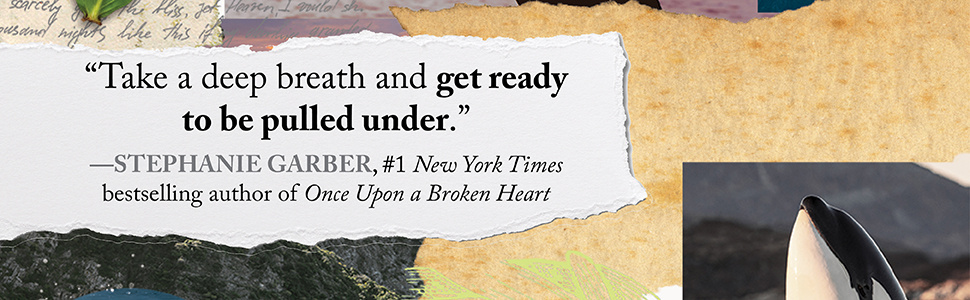
“Stacey Lee has written a masterpiece of historical fiction with prose as luminous as spun glass. Wrapped in fog and atmosphere, Heiress of Nowhere is a triumph of storytelling—layered with romance, thrilling mystery, and characters who feel as alive and complicated as the secrets they keep. Take a deep breath and get ready to be pulled under.”
—Stephanie Garber, author of Once Upon a Broken Heart
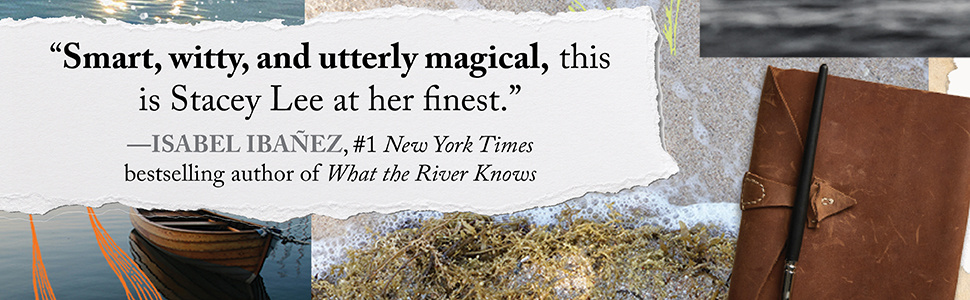
“A dazzling, twist-filled mystery about love, identity and ambition, Heiress of Nowhere follows a young woman determined to claim her place in a world that would rather see her disappear. Smart, witty, and utterly magical, this is Stacey Lee at her finest.”
—Isabel Ibañez, author of What the River Knows
Resources and Downloads
High Resolution Images
-
Book Cover Image (jpg): Heiress of Nowhere
Hardcover 9781665978965
-
Author Photo (jpg): Stacey Lee Aaron Blumenshine(0.1 MB)
Any use of an author photo must include its respective photo credit